ISLAMABAD: The federal government plans to launch the development budget of Pakistan 2026-27, amounting to more than Rs4 trillion, which could be among the most audacious development budgets proposed by the country in recent years. The meeting of the Annual Plan Coordination Committee is scheduled to take place this week to start the process of endorsing the new budget.
“A 4% growth target may sound modest but for a country that was on the edge of a balance-of-payments collapse just two years ago, it is a declaration of intent.”
Recommendation of APCC
Macroeconomic Framework
The macroeconomic framework recommended by APCC to the National Economic Council consists of two key variables: GDP growth at 4 per cent and an inflation ceiling, measured against the Consumer Price Index, of 8.2 per cent for fiscal year 2026-27. Both these numbers represent a conservative but optimistic outlook. First of all, the ambitious target of growth at 4 per cent demonstrates optimism on the success of Pakistan’s economic reforms, during the stabilisation period. Secondly, the ceiling of inflation at 8.2 per cent represents a major fall from double-digit inflation seen in the previous two years.
Allocation of developmental expenditure
Development expenditure under the national budget 2026-27 in Pakistan is divided between two separate channels. Firstly, the Federal Public Sector Development Programme accounts for Rs1,126 billion of expenditures on federal projects. Another Rs3 trillion will be utilized under Provincial Annual Development Programs that cover education, health, roads, and governance in the provinces. The entire figure of expenditure reveals that Pakistan has never come up with such a proposal in its history.
June 3: The meeting which will decide the direction
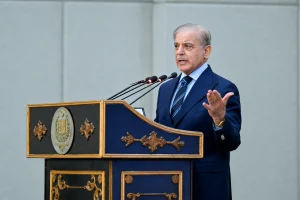
The meeting that was convened by the Prime Minister of Pakistan Shehbaz Sharif on 3rd June 2026 will carry tremendous importance in itself since this meeting is one of APCC. The importance of the meeting cannot be confined only to its procedural importance. Once a certain framework for the macroeconomics that the APCC will choose becomes official, it will go to the National Economic Council for endorsement and then becomes the very basis of the federal budget prepared for presentation in Parliament.
This is intentional as well. Pakistan is in an active program with the IMF, and the IMF keeps an eye on Pakistan’s budget obligations. The development budget that looks both big enough to have credibility but prudent enough with regards to funding gives the IMF confidence that Islamabad wants to keep reforming despite growing.
ALSO READ: Shehbaz Clears Historic Duty Cuts for Pakistan’s Auto Industry Ahead of Budget 2026-27
Why Rs4 trillion is significant – and why it is insufficient on its own
One of those numbers we need to take into account is the proposed budget for development in Pakistan for 2026-2027. But there has not always been an easy track record with development budgets in Pakistan. Mid-year budget reductions on account of lack of funds, incomplete projects, and ADPs in provinces that are patronage systems without development elements are routine.
Whether the amount will actually materialize into production will be determined by execution. The rate of execution of projects has always fallen short of budgetary allocations in Pakistan. Even if the government manages to narrow down the deficit to half, then the economic benefits arising from it may help realize the target of 4 per cent GDP growth put forward by APCC.
The Pakistan national development budget for 2026-27 is, at this point, an idea. As of June 3, it is a plan. Whether this happens or not depends entirely on what happens in the next 12 months.

Nayab Fatima is a media professional specializing in fact-based journalism, research, and analytical reporting on technology, telecom, aviation, and automobiles.