
Shehbaz Clears Historic Duty Cuts for Pakistan’s Auto Industry Ahead of Budget 2026-27
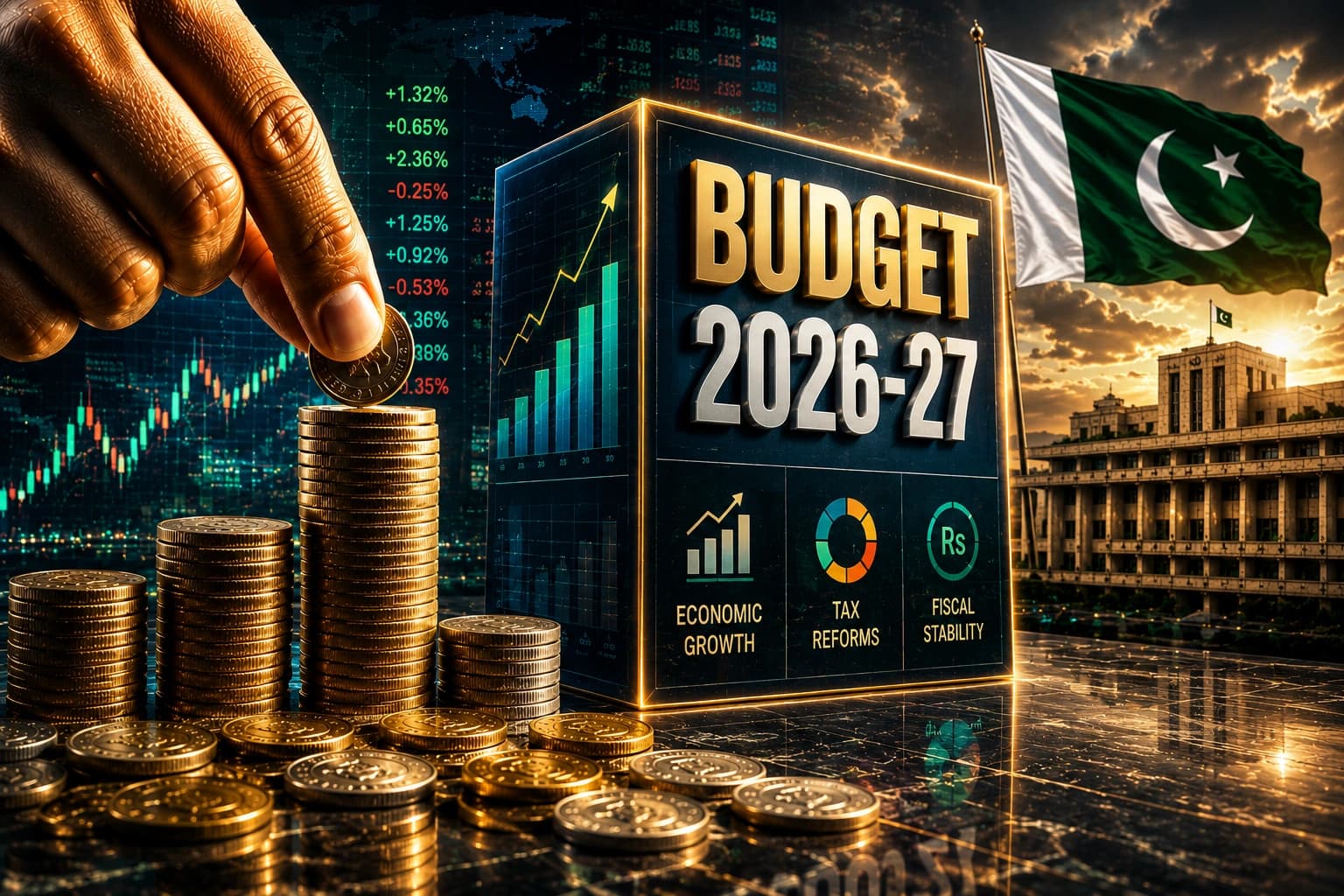
Pakistan car prices after budget 2026-27 may see a drastic change since the Federal Government is expected to cut duties for vehicles on a massive scale. These measures, approved by the Prime Minister Shehbaz Sharif, are part of an overall policy aimed at improving competition and industry development in Pakistan through tariff reduction.
ISLAMABAD: In a bid to usher in its most radical trade liberalization program in decades, Pakistan is set to unveil a tariff reform plan valued at close to Rs200 billion, which is likely to significantly alter the industrial sector of the country, slash down production costs, increase exports, and eventually lower prices for consumers.
Source informed Focus Pakistan, Prime Minister Shehbaz Sharif has sanctioned the second phase of Tariff Reform Plan 2025-2030 introduced by the federal government, indicating the desire of the government to shift away from decades of protectionist policies to a more export-oriented economy.
These changes will comprise an integral part of the FY2026-27 budget and are bound to affect numerous imported products utilized in a number of essential industries such as automotive, steel, textile, chemical, plastic, battery, and manufacturing industries.
Why Islamabad Is Pushing Tariff Reforms
High cost of production, low competitiveness, and dependence on tariffs to protect industries have plagued the industrial sector in Pakistan for a long time. It is generally thought that the imposition of duties on imports used by industries has rendered Pakistani goods uncompetitive both regionally and internationally.
Tariff rationalization is viewed today as an essential instrument for fostering industrial development, investment, and export promotion.
Also Read: Pakistan Budget 2026-27 to Introduce DCP Pension for Armed Forces as Salary Hike Options Drafted
According to sources privy to the details of the plan, what the government seeks is to let manufacturing companies compete based on efficiency, innovation and productivity instead of relying on extremely high tariffs. This is why the current set of measures hopes to slowly lower down operational costs for companies while promoting industrial modernisation and global connectivity.
Sectors That Stand to Gain Most
The next phase of the reform agenda promises substantial respite for industrialists by lowering tariffs or completely removing import duties from more than 3,100 tariff lines. It is anticipated that the maximum benefits will accrue to those industries which depend on imports of machinery, spares, and raw materials.
Sectors which stand to gain most include:
- Automobile Sector
- Iron and steel production
- Textile and apparel manufacturing
- Chemicals and petrochemicals
- Plastics industry
- Battery manufacturing
- Engineering and industrial equipment sectors
Businesses operating in these sectors have repeatedly argued that high import duties increase production expenses and reduce their ability to compete internationally.
Automobile Sector Faces a New Reality
Among all industries, the automobile sector could witness the most significant transformation. For years, Pakistan's auto market has remained one of the most heavily protected segments of the economy. High tariffs have shielded local assemblers from foreign competition while contributing to elevated vehicle prices for consumers. Under the proposed reforms, duties on imported vehicles and components will decline substantially.
According to sources, the customs duty on automobiles can be reduced to 50% from the current rate of 100%, and the regulatory duty might be reduced to 20% from 50%. The move would reduce the total duty burden on a lot of automobile categories and would generate greater competition along with making automobiles cheaper for Pakistani consumers.
These changes are anticipated to increase efficiency, improve quality standards, and foster innovation in the domestic automotive sector.
Thousands of Tariff Lines to Receive Duty Relief
The government plans to continue dismantling additional customs duties introduced over previous years.
Under the upcoming budget proposals:
- The 2% additional customs duty (ACD) will be withdrawn from a total of 518 tariff lines.
- ACD rates on 2,166 tariff lines will decline from 4 percent to 2 percent.
- ACD on 465 tariff lines will reduce from 6 percent to 4 percent.
These measures follow similar reductions implemented during the first phase of the tariff reform programme. Officials estimate that the latest round of reductions will inject approximately Rs200 billion in relief into Pakistan's industrial economy.
Regulatory Duties Poised for Phased Removal
The government further plans on progressively phasing out Regulatory Duties (RD), which had been used as an instrument to limit imports and protect domestic businesses.
Sources told Focus Pakistan that authorities have approved plans to cap RD at 20 percent across more than 1,900 tariff lines. Currently, some products continue to attract substantially higher regulatory duties. Long-term goals are associated with the ultimate aim of getting rid of the RD in thousands of products as Pakistan works towards adopting a simple tariff system.
The health care industry also stands to benefit from the new budget that is due to be announced. A few healthcare products and devices have been suggested by the planning department for exclusion from customs duties. Such an approach is likely to result in making such equipment accessible to people at cheaper prices.
In addition to industrial relief, tariff rationalization has been regarded as an important export strategy for the Pakistani government. It is expected that through tariff rationalization, and lower costs of production, Pakistan can achieve about $5 billion worth of extra exports by the completion of the five-year reform program.
This process is one of the ways through which the government has sought to enhance Pakistan's competitiveness in international markets and decrease reliance on its economy. Under the government's road map, it has become clear that the average tariff rate in Pakistan is expected to decline gradually in the next few years.
While there were expected advantages, a number of industries in the list of those that are shielded have shown hesitancy towards tariff liberalization. Companies who are used to getting a lot of protection feel threatened by the prospect of facing stiff competition from imports and foreign companies.
But according to insiders, Prime Minister Shehbaz Sharif instructed concerned departments to continue with their plan regardless of the lobbying of the involved sectors. It is clear that the government sees this as a need for Pakistan’s economy to get away from too much protectionism.
The FY2026-27 budget can be considered a landmark year for industrial policies in Pakistan. Instead of resorting to protectionism through steep tariff rates, the government seems more interested in setting up an industrial landscape that is competitive, efficient, and export-oriented.
In case the current reforms succeed in achieving their intended objectives, the result might be cost reduction for industries as well as rapid evolution of the Pakistani economy into a modern economy. With the approaching federal budget year, it remains to be seen how much Islamabad will go ahead with its most significant tariff reform agenda ever in recent years.
Leave a Reply
Your email address will not be published. Required fields are marked *