
EPZ Double Taxation Is Quietly Destroying the Steel Sector of Pakistan
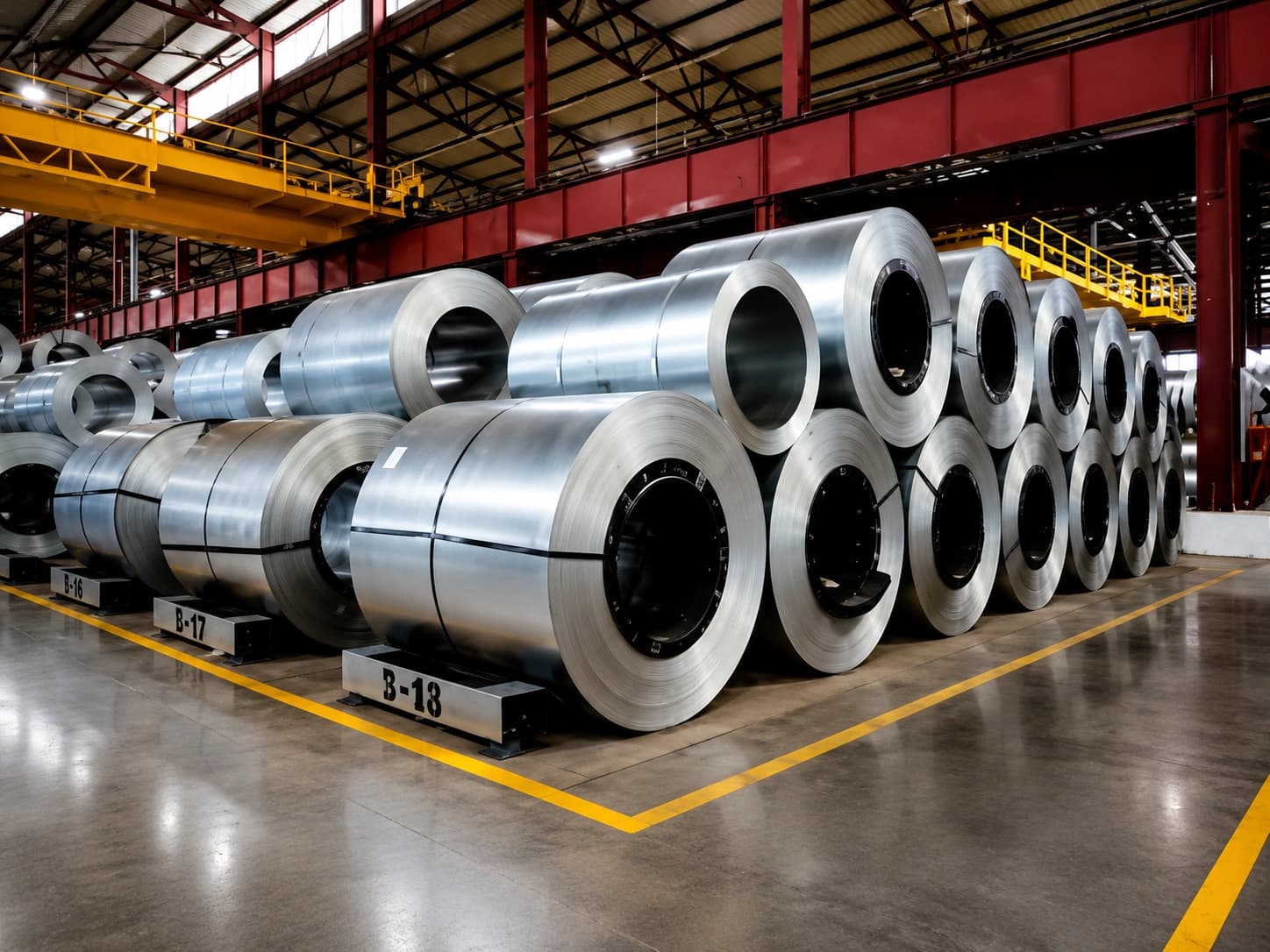
ISLAMABAD: The steel and engineering sectors in Pakistan have one critical disadvantage that lies at the very core of the Export Processing Zone regime in the country. The double taxation system under Pakistan EPZ makes the manufactures pay custom duties two times for the industrial inputs: first when these inputs come to Pakistan and then when the manufactured products re-enter the tariff zone.
The situation is said not to be an error of policy-making, but a failure in the system that results in cost increases for manufacturers and denies them the competitive pricing edge required to compete in export markets within the region.
How the Double Duty System Operates Against Industries
The double taxation system under Pakistan’s Export Processing Zones (EPZs) affects most industries involved in machining, lining, coating, manufacturing, and other value-adding processes in EPZs. This is because the existing tax system imposes duties on the total value of the final product without considering the added value within the zone.
The difference makes a huge financial difference. The company will have already been taxed for importing raw materials, but now it must pay tax again on the full value of its goods when it imports them into its home market. This is a costly disadvantage that competing manufacturers in other regions would never face.
NSCL Takes the Fight to the Commerce Minister
The matter found its way up to the highest political level possible this week. NSCL representatives in Islamabad took up the cause with Federal Minister for Commerce Jam Kamal Khan, who was made aware of the fact that the Pakistan EPZ double taxation system is an obstacle to industrial progress that must be corrected by regulation.
The team thus suggested the use of the value-added duty system as the remedy. According to this system, customs duties will be charged based on the value added in the EPZ alone, and not on the materials used for production for which duties had been paid during their importation. The suggestion is an accurate reflection of how tariffs in export processing zones operate in other rival economic regions.
ALSO READ: Pakistan Rejects World’s Cheapest LNG Bids
More Difficulties Make the Situation Even More Pressing
The issue of Pakistan EPZ double taxation is not the only problem faced by the sector. The discussion identified additional problems that are currently facing any longer-term projects in the area of steel and engineering. Higher energy costs, changing tariffs, and rising input costs have fundamentally altered the economic landscape from what was originally anticipated for many projects.
Technical challenges further increase friction. According to industry stakeholders, there have been recurring problems in valuing the processed goods at the custom level, conflicts on how to classify goods that have undergone industrial processing in the EPZs, and a lack of clear and standardized processes in determining value addition in manufacturing.
Division of Regulatory Responsibilities Hampers Problem Resolution
The issue of double taxation in Pakistan’s EPZs highlights another weakness in governance that is said to actively hinder effective problem resolution, according to representatives from the industries. The National Tariff Commission explained that its scope is limited to analysis and advice regarding tariff systems, while customs valuation, cost accounting, and regulatory implementation belong to different agencies.
This allocation of duties creates an array of entities that will act on their own agendas and timescales in dealing with any intersecting issues such as the EPZ issue which has no authoritative resolution process.
Comprehensive Consultation Directed by the Government
The government directed Minister Jam Kamal Khan to ensure that consultations were carried out regarding the problem of double taxation in the Pakistan Export Processing Zones. The authority was told to consider measures that would encourage industrialization without violating regulations or transparency.
How soon these discussions lead to real reform actions will decide whether the EPZ system of Pakistan turns into a true advantage or keeps being an economic hindrance for the manufacturing export plans officially espoused by the government.
Leave a Reply
Your email address will not be published. Required fields are marked *