
Pakistan Rejects World's Cheapest LNG Bids
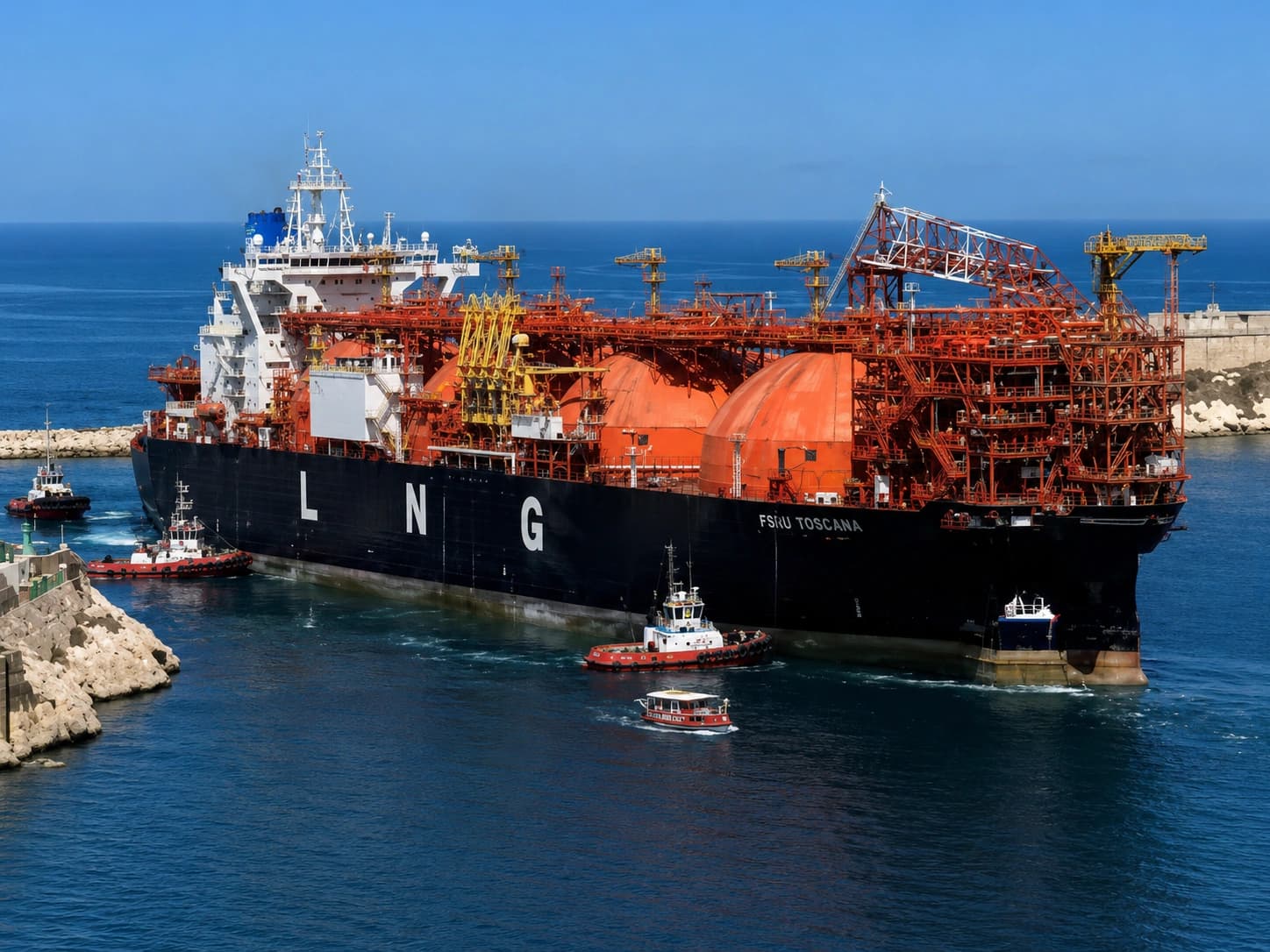
Islamabad took a daring and rather contentious move regarding its energy sector this week. Pakistan turned down the lowest international tenders for two spot cargo LNG shipments even as domestic gas supply became quite difficult and import prices increased.
Pakistan LNG Ltd. informed BP Singapore and TotalEnergies Gas & Power Ltd. that their respective bidding proposals were not considered acceptable. The news instantly captured the interest of regional energy analysts who monitor the precarious LNG sourcing policy of South Asia.
If Pakistan does not accept LNG offers of this quality, the market wants to know why.
The Role of Qatar in Islamabad's Risky Move
According to sources privy to the situation, there is one main reason for this: Qatar. The optimism from Doha indicates that Pakistan can obtain two LNG shipments through long-term deals at much cheaper prices than what the spot market is providing a prospect compelling enough that Pakistan rejects LNG bids rather than lock in unfavorable terms while more affordable Qatari supply appears to be within reach.
In these possible contracts, Pakistan is able to get LNG at the price of 13.37 percent of the price of Brent crude oil, which is a formula-based system that the long-term buyer always prefers. At such prices of Brent crude, there will definitely be a significant advantage over the spot market cargoes of European energy firms.
LNG from Qatar, shipped via the Strait of Hormuz, would sail along known shipping lanes, which have been used by Pakistan for its energy imports via sea. The route is well known. The deal, should it become a reality, could very well be a game changer for a nation spending billions on energy imports.
Reasons Why Pakistan Is Not Responding To Spot Bids On Lng
There is immense structural pressure within Pakistan's energy industry. The problem of circular debt persists and drains cash flow. Reduced foreign currency reserves impact Pakistan's ability to import goods. Each dollar that Pakistan spends less on purchasing liquefied natural gas brings tangible gains – lowering industrial expenses, securing power generation facilities, and lowering domestic gas prices.
In this regard, the choice to forego competitive bids from BP Singapore and TotalEnergies is an act of calculated risk. Islamabad seems willing to forego certainty of supply at guaranteed prices in favor of the chance at a better deal with Qatar, which is one of the biggest exporters of LNG in the world.
Trading windows can close. If the talks with Qatar break down or terms become unfavorable, Pakistan may find itself coming back to the market at higher prices.
ALSO READ: Delay in LNG Supply May Trigger Higher Electricity Prices and Increased Load Shedding
Pakistan LNG Limited at the Heart of It All
Pakistan LNG Limited, which is the State-owned enterprise that is responsible for securing LNG cargoes, is at the heart of the issue. It is the organization that is responsible for managing both the term and spot cargo contracts.
The refusal letters from Pakistan LNG Limited to BP Singapore and TotalEnergies represent an obvious deviation from normal purchasing procedures. The simultaneous rejection of bids for LNG by Pakistan from the two most prominent energy traders on the planet carries strategic significance.
Everything Hangs on What Comes Next
Energy ministry representatives are not saying much about the status of talks with Qatar.
But one thing is for sure: Pakistan will only turn down proposals for LNG shipments if it thinks there is a better alternative out there. The answer lies in how well Qatar fulfills those expectations.




Leave a Reply
Your email address will not be published. Required fields are marked *