


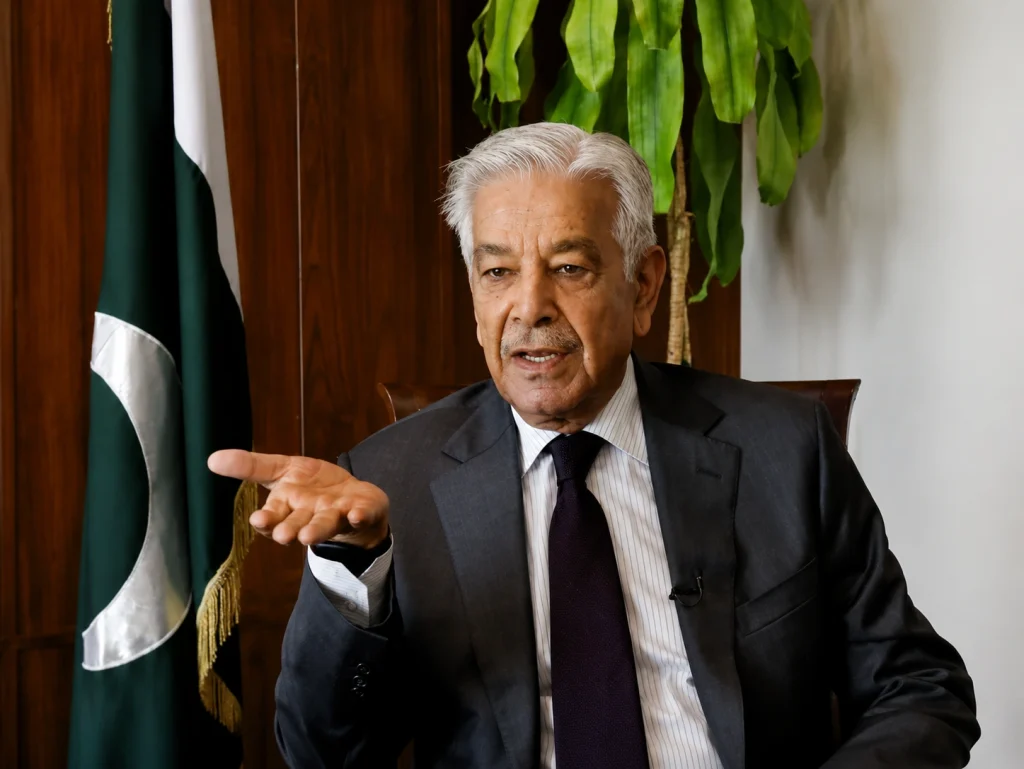
ISLAMABAD: The efforts made in an intensely covert way and led by Pakistan have almost brought about an unprecedented success story. Defence Minister of Pakistan, Khawaja Asif, has stated that a long-awaited US Iran peace deal will be signed, with the agreement to be termed as “the Islamabad Pact.” In a comment addressing these efforts and negotiations, the Defence Minister mentioned that the main intention of Pakistan was to make sure that there is a constant communication link between Washington and Tehran, even amidst all the pressures exerted from the outside world.
Pakistan Makes Wide-ranging Diplomacy Move
This comes after weeks of complex and highly delicate diplomacy spearheaded by Pakistan’s civilian and military governments. In statements made by the Pakistani government, the impending initiative is expected to provide a solution to the ongoing war in the region, ensure the full reopening of the strategic Strait of Hormuz waterway, and chart a path for international maritime trade.
The diplomatic successes recognized by the ministry are:
- Sustained Dialogue: Persuading both parties to stick to the negotiation table despite the presence of heavy provocation militarily.
- Prevention of Operation Failure: Being able to convert the short-lived ceasefire deal into a diplomatic roadmap.
- Final Accord Structure: The successful structuring of the final peace agreement to ensure that Islamabad is the main focus of the electronic signing.
ALSO READ: Pakistan Defence Budget 2026-27 Swells to Rs.3.01 Trillion
Khawaja Asif Puts Israel in its Place
In his press conference, Khawaja Asif was refreshingly honest about how the outside factors could jeopardize the US Iran peace deal. He pointed out that there have been instances where Israel took a very destructive stance towards these talks by trying to prolong the military conflict to ensure US involvement.
Quote from the Minister: “It was very much in their interests to sustain the fight to keep America involved in the region,” stated Asif, highlighting the side effects in Lebanon itself, which included civilians being killed as well. Nevertheless, it must be noted that the Minister of Defence explicitly lauded the current American government for its foresightedness, as Washington did show leadership by taking the right measures.”
The Geopolitical Implications of the Islamabad Agreement
The looming agreement represents a major triumph for Pakistan’s foreign policy machinery. Having navigated the long negotiation process involving many red lines related to regional security and potential maritime blockades, Islamabad has established itself as an indispensable player in regional geopolitics.
Whereas the Prime Minister Shehbaz Sharif highlighted that technical-level discussions would promptly commence following the first signing, the priority for now is signing itself within the next 24 hours. While regional powers such as Israel have clearly declared that they will not be part of the memorandum, it can be said that the main agreement between the combatants represents a critical relief for international energy markets and security.