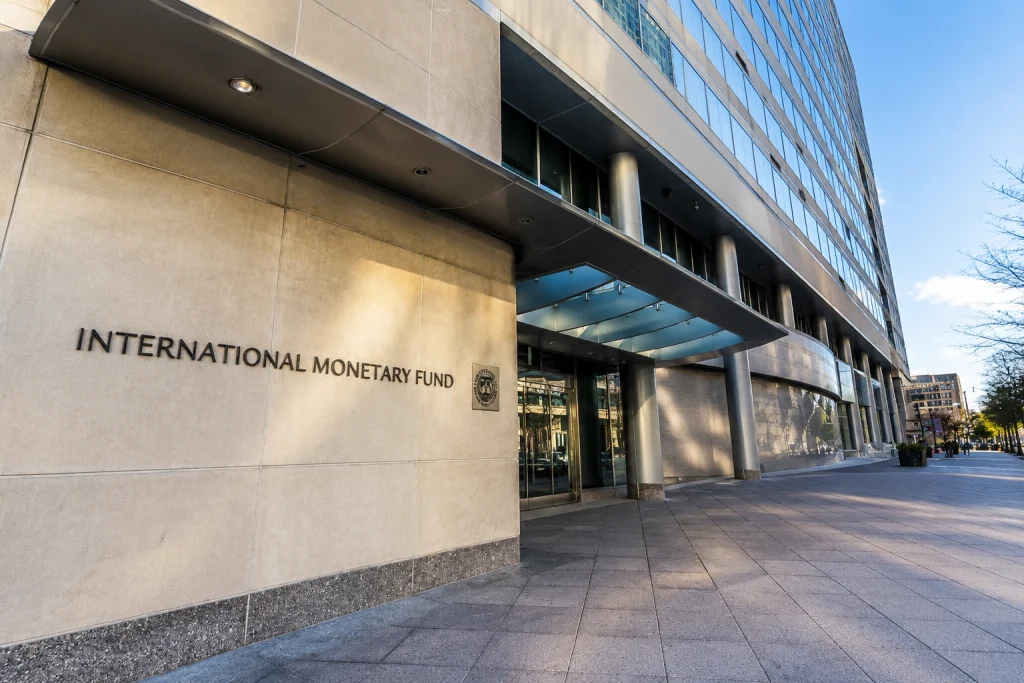
On an almost regular basis, Pakistan seems to be dealing with a familiar economic situation where foreign currency reserves start to dwindle, the Pakistani rupee faces depreciation pressures, loan payments become due, and efforts are made to acquire funds from outside. Inevitably, the discussion turns towards the IMF.
However, the recent IMF program has enabled Pakistan to circumvent a serious balance of payments problem and restore some semblance of confidence in the financial market. Nevertheless, Pakistan’s continued relationship with the international monetary organization has brought back an old question: why does Pakistan continue to return to the IMF despite repeated bailout programmes and promises of reform?
Based on Focus Pakistan‘s review from past records and data, Pakistan has entered in more than 20 IMF programs after joining the organization in 1950. Few countries have relied on IMF assistance as frequently over such a long period.
The solution, however, does not lie in just one economic failure; rather, it is a series of structural problems that each subsequent government finds difficult to solve.
Table of contents
A Cycle That Repeats Itself
There seems to be a cyclical process in relation to Pakistan’s ties with the International Monetary Fund.
There is economic growth, an increase in imports, and foreign exchange reserves start falling. In an effort to bring things under control, the country borrows money or resorts to some sort of administrative action.
At such times, the International Monetary Fund steps in as a matter of course.
Once reaching the agreement, Pakistan is provided with financial assistance and access to more funding. Economic stability follows as well as pressure and reform begin to take place. With time, however, progress is hindered by numerous structural problems.
Several years later, the cycle starts again.
A review conducted by Focus Pakistan of Pakistan’s economic history suggests that almost every major IMF engagement has followed a variation of this pattern.
| Programme | Period | Amount Approved | Amount Drawn | Status |
| Stand-By Arrangement | 2000-01 | SDR 465 million | SDR 465 million | Repaid |
| Poverty Reduction and Growth Facility | 2001-04 | SDR 1.03 billion | SDR 861 million | Repaid |
| Stand-By Arrangement | 2008-11 | SDR 7.24 billion | SDR 4.94 billion | Repaid |
| Extended Fund Facility | 2013-16 | SDR 4.39 billion | SDR 4.39 billion | Repaid through maturity schedule |
| Extended Fund Facility | 2019-23 | Approx. SDR 4.3 billion | Multiple disbursements | Repayment ongoing |
| Stand-By Arrangement | 2023-24 | US$3 billion | Fully disbursed | Repayment phase underway |
| Extended Fund Facility | 2024-27 | US$7 billion | Ongoing | Active programme |
Unlike the general impression that Pakistan does not pay back the IMF on time, this is rarely the case, although the problem of repeated reliance on IMF programmes is more serious.
The Problem Starts With Foreign Exchange
Pakistan’s economy depends heavily on imported fuel, machinery, industrial raw materials and technology. These imports require dollars.
Nevertheless, the growth rate of exports in Pakistan seems to be less than required to match its import requirements. Although remittance flows from overseas Pakistanis still constitute an important source of finance for Pakistan, they have not succeeded in alleviating external pressure on the economy entirely.
According to Focus Pakistan’s analysis, Pakistan’s economic crises often emerge when imports and external obligations grow faster than the country’s foreign exchange earnings.
A rapid fall in reserves makes Pakistan face more difficulties in funding its imports and paying off its external debt burden.
Economists often describe this as Pakistan’s most persistent economic challenge.
Why Tax Collection Remains a Major Obstacle
Even with an estimated population of more than 240 million, this country continues to raise little revenue through taxation relative to most other developing nations.
Also Read: Pakistan’s Salaried Class Awaits IMF Decision on Proposed Tax Cuts
Various administrations have promised to expand the tax net, formalize the informal sector, and enhance tax compliance. Nevertheless, the progress achieved has been much slower than anticipated by policymakers.
According to Focus Pakistan’s analysis of the budget documents and economic surveys, lack of revenue collection restricts the government’s capability to fund their expenditures without taking any loans.
As expenditures grow, governments depend on borrowing internally and externally to meet their financial needs.
Debt Has Become a Growing Concern
There is no denying that Pakistan’s public debt has risen over the last few years. Rising fiscal deficits, currency depreciation and higher borrowing costs have driven Pakistan’s public debt upward over the past decade.
This problem goes beyond the scale of Pakistan’s debt. Now, payments towards debt take up a significant portion of the government’s income, which reduces funds for development programs.
Repayment of debts has emerged as one of the highest expenditure heads in the government’s budget. With the rising trend of repayments, governments are compelled to seek finances from both internal and external sources.
This situation frequently ends up increasing Pakistan’s reliance on foreign lenders.
What the IMF Wants
IMF interventions normally emphasize the achievement of macroeconomic stability.
IMF programs normally advocate for the adoption of tax policies aimed at improving the ability to collect taxes, decreasing fiscal deficits, improving governance, restructuring state-owned firms, and addressing problems in the energy industry. Advocates of such reforms maintain that these reforms lay the groundwork for sustainable development.
Also Read: IMF Proposes GST Increase Pakistan From 18% to 19% as FBR Revenue Shortfall Deepens
Opponents, on the other hand, claim that the IMF reforms lead to greater difficulties in the short run as they entail higher utility rates, increased taxes, and less government spending.
The debate remains politically sensitive because many reforms affect households and businesses directly.
Despite the criticism, most economists agree that the IMF does not create Pakistan’s structural problems. Instead, it attempts to address weaknesses that already exist within the economy. Many Pakistanis associate the IMF solely with financial assistance.
The significance of the institution goes way beyond lending. The fact is that the signing of an agreement by the IMF is a sign to investors, multilateral financiers, and other friendly nations that Pakistan is reforming its economy.
According to documents studied by Focus Pakistan, the approval granted by the IMF often becomes the catalyst through which even more money is obtained from the World Bank and the Asian Development Bank.
This is because investors keep track of the IMF’s decision-making process since it often dictates market perception. That is why economists call the backing of the IMF a catalyst for financial aid.
It has dominated economic debates throughout the decades. There is no doubt that less dependency on funds from the IMF means continuous structural reform rather than temporary stabilization. There is a need to increase exports, productivity, tax collections, and investments.
There is also a need for reduced losses in government enterprises and increased efficiency in the energy sector. All these cannot be achieved in a short while. However, failure to make any meaningful progress means that Pakistan may continue going through the same cycle.
The Road Ahead
The latest IMF programme has provided breathing space for policymakers and helped restore stability to Pakistan’s economy. The financial market response has been positive; foreign exchange reserves have also improved, and there is reduced risk of default.
Yet, stability alone will not necessarily bring about sustained success. Based on Focus Pakistan’s study on historical trends within the economy, Pakistan’s continuous visits to the IMF point to unresolved structural problems that have persisted for many years.
It all depends on whether the leaders will be able to take advantage of the current stability in order to push for reforms that would promote export growth, widen the tax base, and cut back on borrowing and debt-driven growth. Until then, Pakistan’s dealings with the IMF can be expected to go according to script.
The governments may change. Economic teams may come and go. Yet when the next external financing crisis emerges, policymakers could once again find themselves returning to the same negotiating table.
According to Focus Pakistan’s review of publicly available IMF records, State Bank data, Economic Surveys of Pakistan and federal budget documents.

Faraz Ali Ansari is the Founder & Editor of Focus Pakistan and Founder & CEO of Focus Public Relations. With more than 22 years of experience in journalism, media relations and strategic communications, he covers business, economy, aviation, technology, public policy and corporate affairs. He has worked with leading national and international organizations across multiple sectors.