

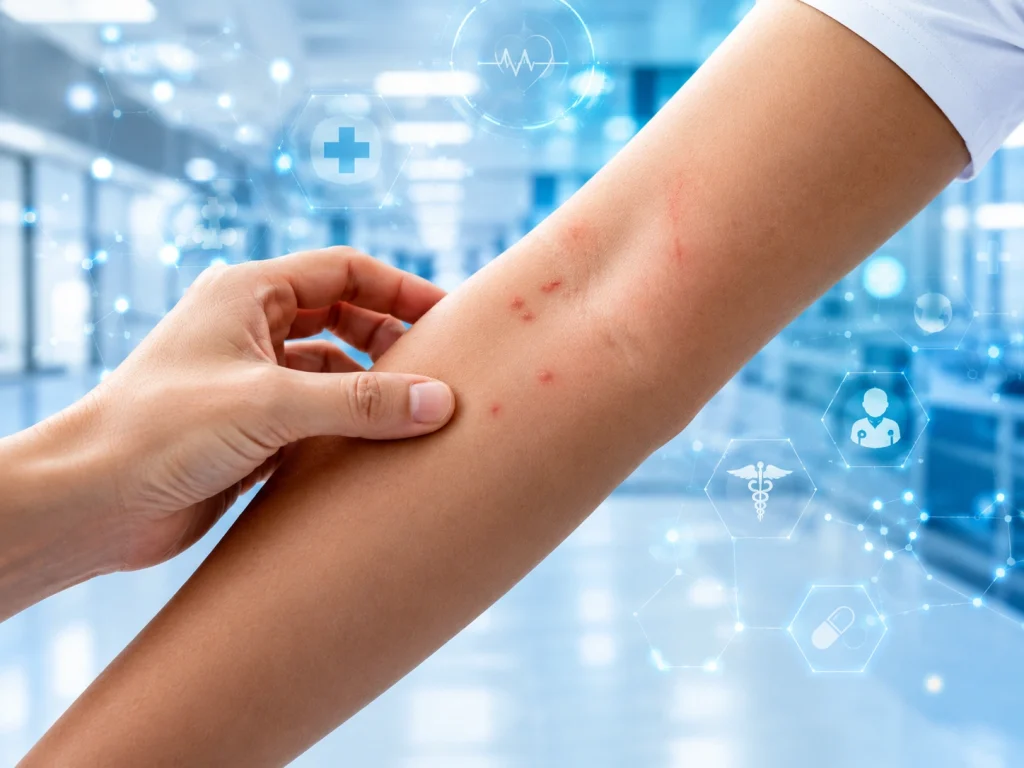
Mpox, another name for monkey pox, is an illness which is caused by the viruses of the genus orthopoxvirus. These viruses are almost identical to the ones causing smallpox. Transmission of mpox virus occurs through direct contact with rashes on the body of an infected individual. The signs and symptoms manifest themselves after a fever, headache, swollen lymph nodes, and body chills occur, then followed by a rash that will undergo various stages until it forms scabs and eventually heals. In terms of prevention for Pakistan, awareness should take priority over treatments because mpox is mostly contracted abroad.
Reported Mpox Cases in Pakistan
Some distinct trends have emerged through this data analysis. In almost all cases in Pakistan, there is a connection with travels from Gulf nations, mainly Saudi Arabia and the UAE. Genomic analysis of the samples showed that the strain responsible for causing cases in 2024 is the clade IIb, lineage A.2.1. The main mode of detection was the use of the border health services screening in the airports, and this has been successful in detecting early cases and preventing any human-to-human transmissions within the country.
Why Pakistan Must Remain on High Alert
One of the most alarming aspects about Pakistan is that it was one of the earliest non-African nations to report a case of clade Ib mpox virus in the 2024 outbreak wave, which has in the past been associated with more adverse outcomes compared to clade IIb. This is particularly troubling since the healthcare infrastructure in the country is already severely stretched, having to deal with other diseases like polio as well. Experts had noted that the nation had little or no preparedness for a scenario such as this.
Worsening this issue further is the revelation that in Rawalpindi, a study among healthcare workers indicated that there were significant deficiencies in their knowledge and preparedness in dealing with mpox, despite the virus having caused more than 100,000 infections in over 120 nations around the world as early as mid-2024. This indicates a need for improvement in the readiness of the country’s own medical practitioners.
ALSO READ: Karachi’s Monkeypox Count Climbs to 10 as Health Concerns Mount
Preventive Measures to be Followed by Individuals Living in Pakistan
- Take precaution regarding travel to and from Gulf nations. Since most of the mpox infections in Pakistan have been linked to travelers from Saudi Arabia and UAE in one way or another, you may need to get your health checked for around three weeks since mpox is characterized by a relatively long incubation period. When you experience signs such as fever and body ache among others after traveling to some countries, you need to mention your travel history to your doctor.
- Work with airport health screening. The border health services screening in airports such as Islamabad and Peshawar have been the leading cause why mpox has not spread through Pakistan. When screening, if you are asked questions concerning your health symptoms or history of travel, cooperate because this is how Pakistan has managed to contain mpox and not let it be transmitted locally through people.
- Do not come into direct contact with individuals with unusual rashes and lesions on their bodies. This should be done since the mpox virus is contagious and can be passed on through the body sores, thus making this the ideal preventive method.
- Never share personal belongings. Towels, sheets, clothes, shaving tools, and eating utensils belonging to a person with an unexplained skin rash or infected person should never be shared until they have been thoroughly cleaned.
- Maintain proper hand hygiene. Frequent washing of hands with soap and water continues to be an easy yet highly efficient way of preventing numerous infectious diseases, such as mpox, particularly after touching surfaces at health institutions.
- Isolate if you have any doubt of an infection. Anybody who has symptoms must be isolated from their workplaces, educational institutions, and other gatherings because they pose a risk of spreading infection to others. Most of the confirmed infections in Pakistan have been isolated in various health care facilities including PIMS Islamabad and Services Hospital Peshawar.
- Look for treatment in authorized centers, not self-care. If you fall sick due to your travels or interactions with someone who could be infected, see a hospital that can treat such diseases instead of trying to treat any skin lesions yourself at home; skin lesion self-treatment in similar cases has led to infection of caregivers before.
- Keep updated via NIH and Ministry of Health releases. Since the declaration of the Public Health Emergency of International Concern (PHEIC) in August 2024, Pakistan has also created its own National Command and Operation Center (NCOC), which helped with the national response and increased border checks as well as infection prevention. Information from the authorities is critical to prevent fear and apathy.
Considerations Regarding Vulnerable Groups
There is universal recognition from health agencies around the world that there exist certain groups that pose a higher risk, such as children, pregnant women, and people with suppressed immunity since they tend to experience a more severe illness upon infection. Furthermore, the mpox virus appears to affect a different group of individuals beyond its previously established patterns. These individuals include adults who are sexually connected to each other.
Pakistan’s account of mpox infections thus far has been that of low numbers and high vulnerability. With less than 10 cases being reported since the onset of the public health emergency, and all those cases originating from trips abroad and contained without community spread, Pakistan has succeeded in managing the virus at the border. However, considering the strain already exerted on the healthcare system and the inadequacies of preparation among healthcare providers, there is little room left for any further missteps. The most reliable defense for regular people still consists of basic precautions under their own power.

Nayab Fatima is a university graduate and an emerging media professional with a strong passion for journalism, research, and independent reporting. She specializes in developing well-researched, fact-based, and analytical news stories covering a wide range of sectors, with particular expertise in technology, telecommunications, aviation, and the automobile industry.