


Lithium is certainly all the rage right now. But then BYD came up with a battery technology that would last longer than pretty much anything out there not only in China but everywhere else.
Most batteries have a life span of a decade or less. Recently, BYD has launched a battery which promises to work for more than three decades. This company has rolled out their third generation of Sodium-Ion batteries with an amazing longevity of up to 33 years.
According to reports, the BYD sodium-ion battery can provide more than 10,000 cycles in normal grid circumstances. This is approximately double the lifespan of normal lithium iron phosphate batteries, which have a maximum life span of between 2,000 and 3,000 cycles. For grid companies who invest in infrastructural projects for decades, not years, this makes all the difference.
The Scientific Explanation behind the Claim
Through material selection, the BYD sodium-ion battery is able to attain longevity. This is due to the use of polyanion materials for the purpose of enhancing safety and stability. It addresses the issues of sodium precipitation and thermal instability that have been affecting sodium-ion batteries.
Polyanion chemicals assist in ensuring the chemical composition within the battery cell is stabilized, thus limiting the chemical reactions which cause wear and tear, thereby increasing the lifespan of the battery over thousands of charge-discharge cycles. Improvements in heat dissipation further minimize the thermal stress in normal battery chemistry, which hastens the degradation process.
According to reports from the industry, the cells developed for R&D by BYD have already reached 200Ah capacity and the promised 10,000 cycles, while systems of megawatt-hours size have already begun piloting.
Integrating Sodium-Ion Technology into BYD’s Blade Structure
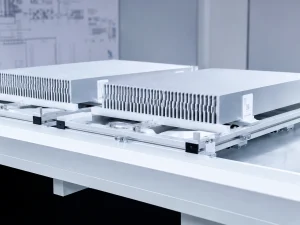
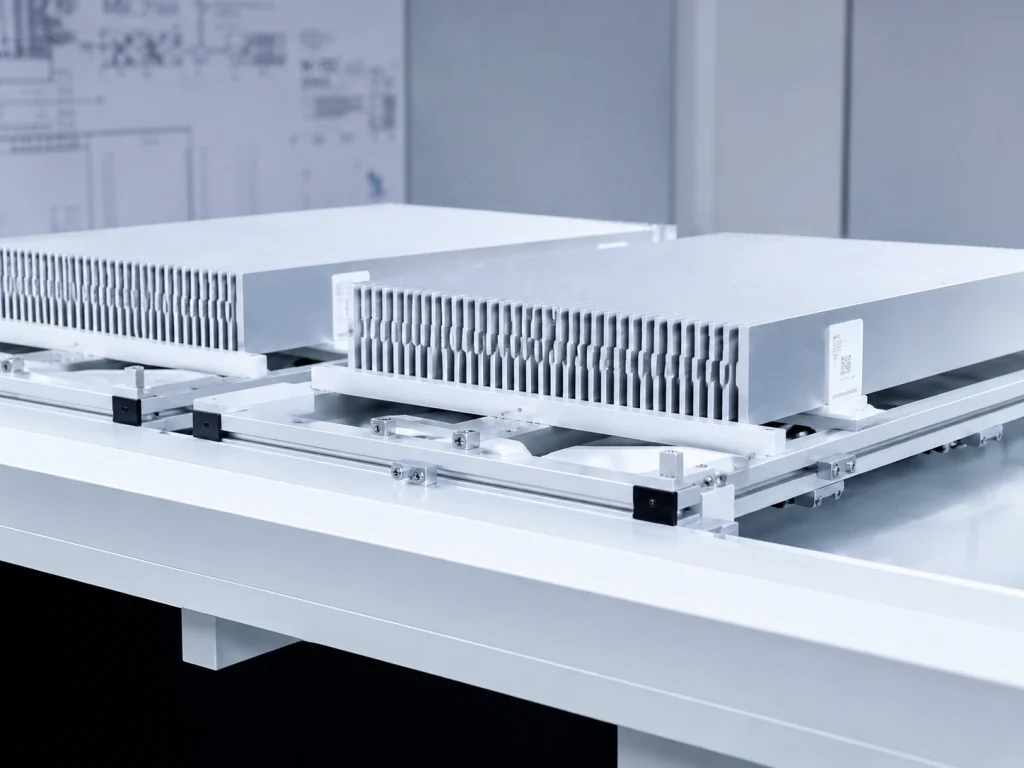
The newly developed sodium-ion technology has been incorporated into the current blade battery structure used by BYD, the same structure that is currently used in their extensive line-up of lithium-ion batteries. This incorporation can be seen particularly in the MC Cube-SIB ESS, described by BYD to be the world’s first high-performance sodium-ion battery system designed for grid storage.
The MC Cube-SIB ESS is said to provide a power rating greater than 1,100 kW and energy capacity of about 2.3 MWh within the dimensions of a standard 20-foot shipping container. It runs on a nominal voltage of 1,200 volts with an operating voltage range from 800 to 1,400 volts a set of technical data clearly intended for grid scale applications only.
ALSO READ: Government Backs BYD’s EV Manufacturing Plans in Pakistan
Why Are BYD Bets on the Grids Instead of Cars?
Experts following this particular move have emphasized that there is a clear strategy involved. The push by BYD towards sodium-ion batteries isn’t really meant for passenger cars not for now, anyway. Instead, what BYD is focus on are stationary storage systems, the giant batteries used by electric companies and renewables to store solar and wind power.
This type of positioning is appropriate considering the existing trade-offs between sodium ion and lithium ion. The energy density of sodium ion chemistry is relatively lower than that of lithium ion chemistry, meaning that a sodium battery cannot store as much energy as a lithium ion battery does per unit weight and per unit volume. This trade-off becomes very important in cases where the battery is used in electric vehicles because of the space and weight considerations. But when it comes to stationary applications, cost and safety become important.
Moving Forward
While the introduction of the sodium-ion battery is indeed an important scientific achievement, its practical verification in full-scale usage should be the next crucial step. The success of pilot projects, information about cycle life performance for several years, and the costs of production at the stated prices will show whether the claimed lifespan of 33 years can hold true.
In the eyes of industry analysts, the technology is still lagging behind lithium iron phosphate by several years on a general basis, despite the fact that parameters such as cycle life are promising. This fact, along with BYD’s efforts to increase production capacity for this type of battery and the use of sodium-ion batteries in their Blade technology, proves the company’s ambitions regarding quick catch-up.

Nayab Fatima is a university graduate and an emerging media professional with a strong passion for journalism, research, and independent reporting. She specializes in developing well-researched, fact-based, and analytical news stories covering a wide range of sectors, with particular expertise in technology, telecommunications, aviation, and the automobile industry.