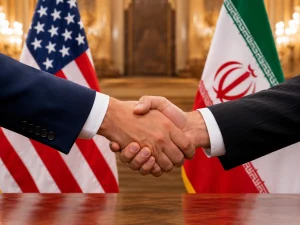


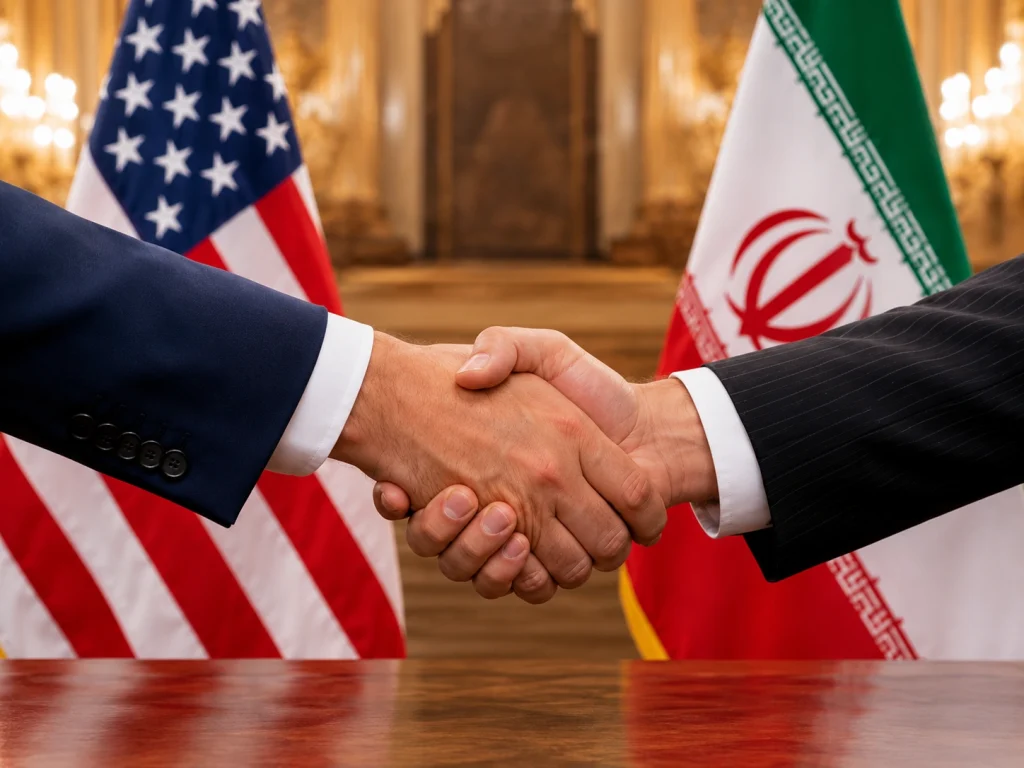
This is a direct result of a three-month clash and an accord between the United States and Iran in which, according to Haaretz military analyst Amos Harel, there was a strategic defeat of the Israeli nation in return for a promise of reconstruction amounting to $300 billion.
The reported categorization on Wikipedia of the result of the 2026 Iran war as an “Iranian Victory” is gaining traction all across the region along with very critical reviews of the recently concluded US-Iran memorandum of understanding in the Israeli press. The coverage of the war on Wikipedia has captured in great detail the resistance of Iran to US-Israeli aggression and its unintended implications for the interests of the United States internationally due to the blockage of the Strait of Hormuz by Iran.
War which redefined Iran’s leadership
The war which led to this assessment was no small battle at all. The Iran War of 2026 kicked off on February 28, 2026 following US and Israeli attacks on Iran’s nuclear installations, military leadership, and infrastructure.
As a consequence of this attack, Iran experienced a series of ramifications which eventually led to a swift change in leadership which caused much chaos internally. In line with the Iran Constitution, the Interim Leadership Council took charge of the office of the head of state until Mojtaba Khamenei was elected supreme leader on March 8, 2026.
The main lever of Iran The Strait of Hormuz
It has been noted by experts that Iran’s main weapon in this conflict is not their missile or nuclear weapons programs, but the ability to block the Strait of Hormuz the key passage which put pressure on the US and its allies from the very beginning. This lever is one of the main levers that explain the victory in a three-month war with two most advanced armies of the world.
ALSO READ: Pakistan Helped Open Door to US-Iran Talks, Says Khawaja Asif
Response of the Israeli media “very bad for Israel”
The Israeli media has reacted to the ensuing memorandum of understanding with a rather harsh criticism. According to reports in Haaretz newspaper, the whole deal can be considered a “US surrender”, which does not fit the statement made by President Donald Trump on it, but is a defeat for the Prime Minister Benjamin Netanyahu.
The Haaretz defense correspondent, Amos Harel, reported what the conditions were that Iran allegedly gained: both sides would lift the embargo on the Strait of Hormuz, sanctions would be lifted faster, and the US would promise a large financial injection into the development of the Iranian economy – in return for general assurances about nuclear non-proliferation.
What Iran was supposed to gain from the memorandum
Based on how the terms were outlined by the Israeli press, what is clear is that the deal resulted in an outcome that favored the Iranians in most aspects. Besides the agreement concerning the Hormuz Straits and lifting sanctions, the commitment to invest $300 billion into rebuilding the country is indicative of the kind of involvement that could not be expected of the United States in Iran before the conflict started.
Reason why this categorization is important
A categorization of the results of a Wikipedia war that is so recent and important will always invite controversy and debate due to the collaborative nature of editing Wikipedia articles and because of the controversial nature of defining wars in real time. Experts have also made a case for the illegality of the war according to US law, which case has been dismissed by the Trump Administration based on precedent from previous unapproved wars.
With the memorandum believed to now be determining the nature of relations between Washington and Tehran after the war, the focus turns to whether the provisions contained within will endure, and if further fallout politically in Israel as a result of Netanyahu’s failure will develop. Regardless of where the Wikipedia category goes in future revisions, it is part of an unfolding story that has become clear from expert and media analysis – one where a war intended to limit Iran’s power ends up with Tehran achieving many of its strategic and economic goals.

Nayab Fatima is a university graduate and an emerging media professional with a strong passion for journalism, research, and independent reporting. She specializes in developing well-researched, fact-based, and analytical news stories covering a wide range of sectors, with particular expertise in technology, telecommunications, aviation, and the automobile industry.