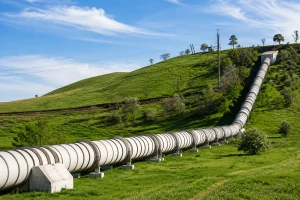

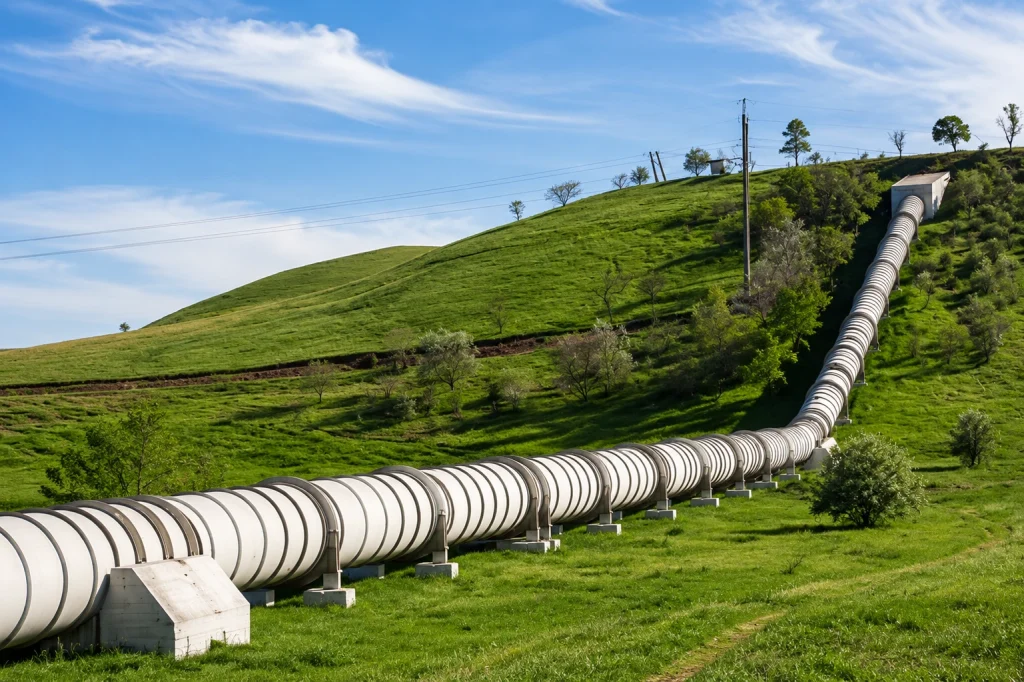
SIFC has approved the Machike-Thallian-Tarru Jabba White Oil Pipeline, thereby achieving its long-cherished objective of transferring petrol and diesel using safe underground pipelines instead of thousands of fuel-laden trucks that travel on Pakistan’s highly volatile roads.
The Machike-Thallian-Tarru Jabba White Oil Pipeline has been constructed after years of demand by road safety activists, logistical economists, and energy experts, as per the resolution passed by the Special Investment Facilitation Council.
This is a project for an uninterrupted underground pipeline for fuel from the southern port city of Karachi all the way to northwestern Pakistan’s Peshawar, ending the era of fuel being transported through trucks in the country.
The pipeline which completes Pakistan’s missing fuel connection
Pakistan was already using a White Oil Pipeline network for transferring fuel from the southern refineries of Karachi to Machike which is situated close to Lahore however, beyond this point, there was nothing for Pakistan in terms of pipelines.
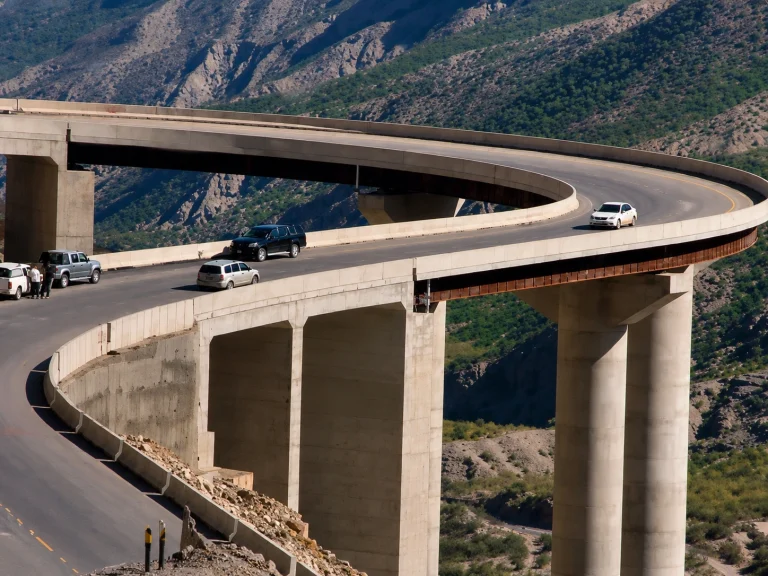
Every drop of fuel arriving in Islamabad, Peshawar and other parts of the northwest came via road tankers travelling from Machike to the regions along Pakistan’s busiest and most accident-prone motorways. The newly completed pipeline connects both points under ground.
Who constructs it a powerful consortium
The White Oil Pipeline in Pakistan has been made possible by the formation of a consortium that has execution capacity as well as financial clout. The FWO is responsible for carrying out the construction work through its skills of military engineering and large-scale construction experience. The companies in the consortium are Pakistan State Oil, Inter-State Gas Systems on an MOU basis, and Frontier Oil Company I, which is the official name of the project company.
Why the oil tanker logistics system of Pakistan was always doomed to failure
The north-south fuel tankers of Pakistan have a price far higher than can be recorded in any logistics account book. The country currently depends heavily on roads for the transportation of its fuel from the storage facilities to the places where the fuel is required.
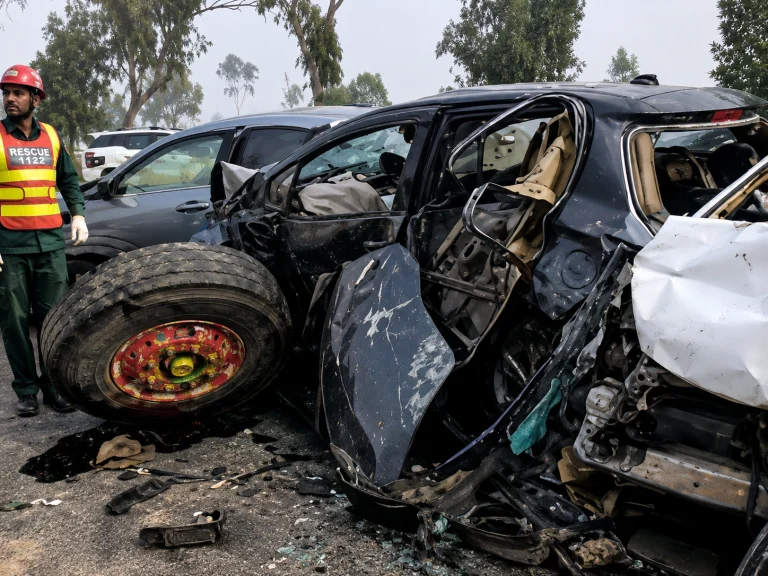
This is a costly and inefficient method as compared to pipelines. Every single oil tanker travelling from Machake to Peshawar consumes diesel to deliver diesel, congests the road network, damages the roads and runs the high risk of an accident. The Karachi-Peshawar White Oil Pipeline ensures that there will be no such danger anymore.
ALSO READ: Pakistan Turns to Canada’s Canola Expertise to Slash $5 Billion Edible Oil Import Bill
What happens after the pipeline is operational
The White Oil Pipeline Pakistan Karachi Peshawar initiative brings about tangible benefits in a number of ways at the same time. Fuel transportation losses, which are both a loss of money and a cause of distortions within the informal market of Pakistan’s fuel transportation system, are eliminated by the project. Transportation costs, which are a part of the price of every litre of fuel now sold, are cut down.
Thousands of heavy tankers are taken off the roads in Pakistan, making them safer in M-1 and M-2 corridors. And the resilience of the supply chain, something the road model lacks, is provided by the underground pipeline.
Approval for the White Oil Pipeline project that Pakistani energy policymakers have been asking for
The SIFC approval of the White Oil Pipeline is the fulfillment of regulatory coordination difficulties that stalled previous efforts towards advancing the project. Through circumventing the approval process roadblocks between federal and provincial authorities and managing an MoU for the main stakeholders involved, SIFC has provided something that Pakistani energy policymakers have been asking for many years – a clear path from regulatory intent to implementation.

Nayab Fatima is a university graduate and an emerging media professional with a strong passion for journalism, research, and independent reporting. She specializes in developing well-researched, fact-based, and analytical news stories covering a wide range of sectors, with particular expertise in technology, telecommunications, aviation, and the automobile industry.