
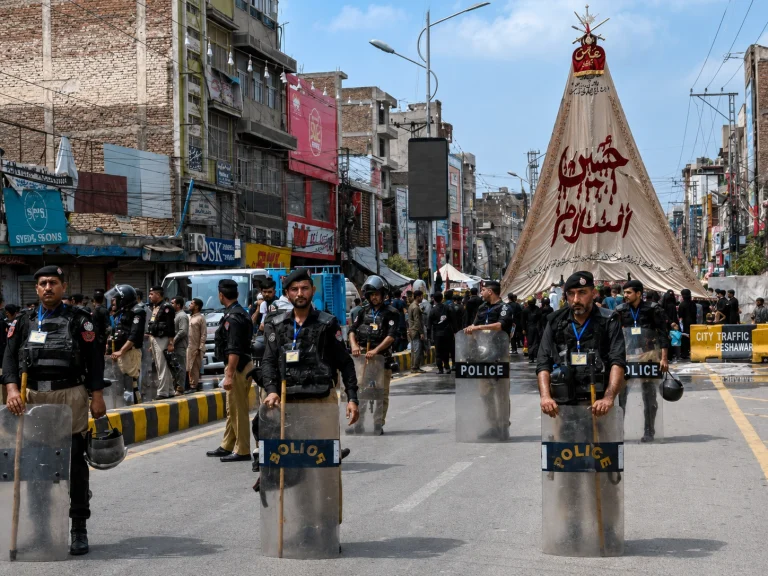

ISLAMABAD: The oil marketing companies and refineries of Pakistan have suffered a combined loss of Rs104 billion, which is approximately equivalent to $367 million, owing to a massive cut in the price of petrol, which was lowered by Rs74 per litre, and diesel, whose price was reduced by Rs67 per litre in one stroke on June 19.
It is not the price cut in itself that is the crux of the matter. According to sources, the industry objected to the approach adopted by OGRA, saying that the calculations used by the regulatory body were contentious and based on both premium prices for international products and Platts average prices, which had resulted in loss for the concerned entities.
OGRA Pricing Dispute
The Oil Companies Advisory Council that works for the country’s oil marketing companies and refineries has communicated to Petroleum Minister Ali Pervaiz Malik, detailing their loss in a straightforward manner. The council warned that the latest price cut forced the industry to absorb losses on inventories of around 505,000 metric tons of petrol and 655,000 metric tons of high-speed diesel, stating that “these losses represent real and immediate destruction of working capital, liquidity and shareholder value.”
Industry Losses Mount
The trigger was a geopolitical windfall that became a commercial nightmare for energy companies. Losses stem from a sudden reduction in fuel prices after global oil markets retreated following an interim US-Iran deal that ended months of conflict and led to the reopening of the Strait of Hormuz, a key shipping route through which roughly a fifth of the world’s petroleum trade passes. Companies had purchased hundreds of thousands of tonnes of fuel at crisis-era prices. The government then cut pump rates before that expensive inventory cleared the supply chain.
Also Read: Rana Sanaullah Signals Another Massive Petrol Price Cut in Pakistan
What makes the industry’s anger sharper is the pattern it identifies not a one-off error but a structural problem.One senior executive put it bluntly “Regulators apply one formula when prices move in one direction and adopt another interpretation when prices move in the opposite direction. The industry cannot operate on shifting goalposts.” The industry cannot operate on shifting goalposts.”
The losses do not fall only on private players. Industry officials cautioned that state-owned OMCs and refineries collectively account for nearly 50% of the country’s petroleum market and have also suffered substantial losses meaning Pakistani taxpayers carry a share of the damage the government’s own regulator created.
Investor Confidence
Foreign investors are watching with alarm. Executives conveyed grave concerns over frequent changes in the pricing mechanism, warning that policy uncertainty was eroding investor confidence at a time when Pakistan is actively courting foreign investment particularly the $6 billion in refinery upgradation projects the sector had committed to before this dispute erupted.
The government moved to contain the fallout. On June 24, the Petroleum Division met with OMC and refinery CEOs and assured them that future price adjustments would reflect actual import premiums rather than sudden formula changes with petrol pricing set to track PSO’s latest actual cargo premium, currently at $15.85 per barrel, and diesel benchmarked to PSO’s Kuwait Petroleum premium at around $5–$6 per barrel.
The same meeting also surfaced Rs66 billion in unpaid price differential claims owed to the industry a separate liquidity crisis layered on top of the inventory losses, leaving companies simultaneously short-changed on past claims and nursing fresh wounds from the June 19 cut.
The price of petrol in Pakistan in 2026 is a clear example of how fast changes in the political and economic situation can affect the energy market. In April, prices of petrol reached Rs458 per litre because of conflicts affecting oil transport via the Strait of Hormuz. Prices fell drastically when the situation improved, and oil companies bore the costs. Each swing left someone holding the bill. This time, the oil industry drew the short straw and it wants the rules rewritten before the next crisis arrives.