
Elon Musk’s SpaceX quietly showed investors a prototype AI-powered smartphone weeks before its blockbuster stock market debut, The Wall Street Journal reported, even as Musk publicly dismissed the device as fiction.
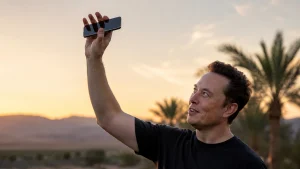
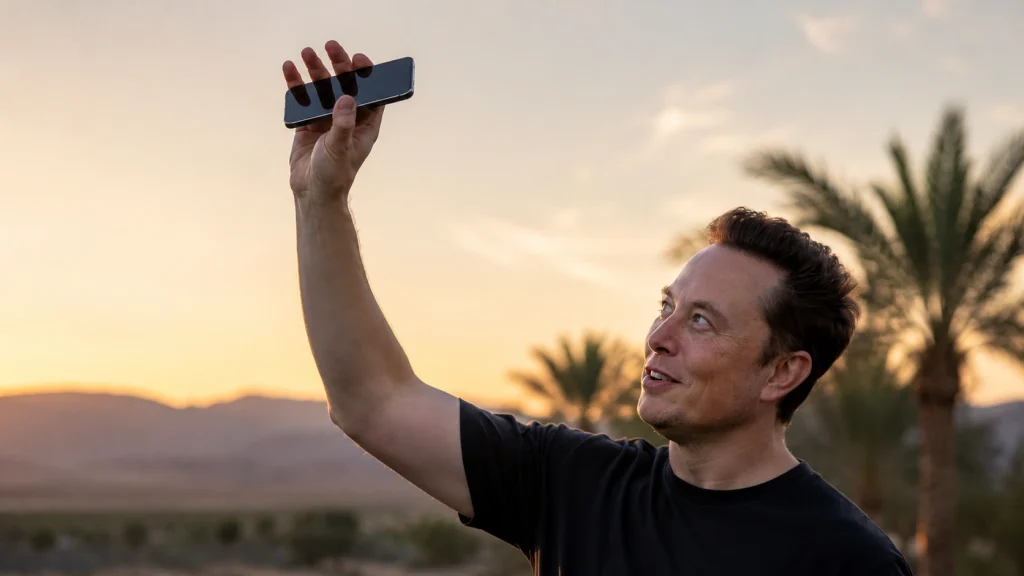
According to sources, SpaceX revealed a sleek, handset-type gadget to a selected few investors and other stakeholders before its IPO in June. Sources also say that the gadget is much thinner than an iPhone and comes in a glossy finish that makes it stand out from other smartphones available in the market.
SpaceX AI Smartphone
Focus Pakistan learnt that SpaceX engineers apparently developed the device’s custom operating system entirely in-house, allowing it to run independently of Android and iOS. Engineers reportedly built the hardware around a Qualcomm Snapdragon processor, while xAI the artificial intelligence company Musk folded into SpaceX earlier this year supplies the device’s core intelligence layer.
Read More: SpaceX Shares Fall Another 3% as the $400 Billion Wipeout Continues
Investors who viewed the prototype say SpaceX prioritised AI-driven functionality over traditional smartphone features, positioning the device as an assistant-first product rather than a conventional handset. This demo hinged heavily on the longstanding “everything app” aspirations of Musk, who envisioned an app designed like the Chinese super apps such as WeChat that feature all functions from messaging, payments, shopping and social networking in one application.
SpaceX management advised the investors that the project is still at its early stages. The company warned stakeholders that the design may undergo some changes and did not confirm whether the gadget will ever be commercially manufactured or released to the market.
Musk Denies Report
Musk denied the reports hours after the release, terming it “utterly false” on X. This comes following a pattern where he had previously debunked reports about the making of a smartphone by saying that the whole idea “makes me want to die.” ” Musk first raised the smartphone concept years ago as a contingency plan in case Apple ever pulled X from its App Store, a threat that never materialised.
Challenge to Apple
Analysts see the timing as significant. SpaceX absorbed xAI into its corporate structure earlier in 2026 and recently completed a $60 billion acquisition of AI coding startup Cursor, moves that gave the rocket-maker both computing muscle and a consumer-facing AI product. A hardware device would let SpaceX control the full stack, from chips to models to the screen in a user’s hand, reducing Musk’s reliance on Apple and Google platforms that currently host Grok, xAI’s chatbot.
The disclosure lifted Qualcomm shares on the news, with markets reading the Snapdragon partnership as a fresh design win for the chipmaker. Apple shares also ticked higher the same day, though analysts remain divided on whether Musk’s venture poses a genuine threat to the iPhone or amounts to an ambitious investor pitch with no guaranteed product behind it.
SpaceX’s move places it alongside OpenAI, which is developing its own AI hardware with former Apple design chief Jony Ive, and Apple itself, which continues expanding Apple Intelligence across its device lineup. Whether Musk’s prototype ever reaches consumers remains uncertain, but the demonstration signals that Silicon Valley’s AI hardware race now counts SpaceX among its contenders.