
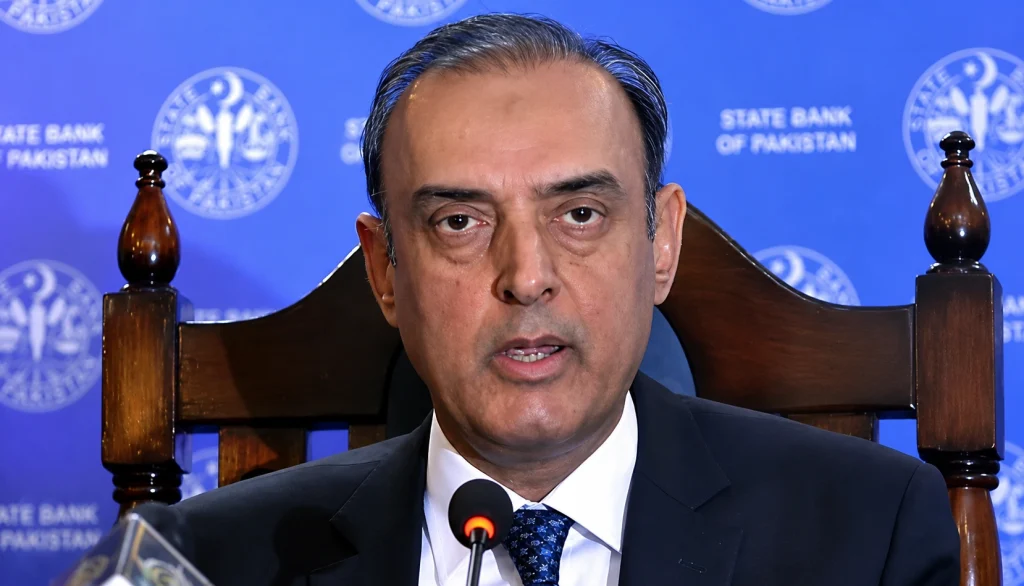
KARACHI: Pakistan has frozen its external debt for nearly four years while building its foreign exchange reserves above the benchmarks set during crises times, State Bank of Pakistan Governor Jameel Ahmad informed media persons in Karachi on Thursday.
Pakistan External Debt
Ahmad said that the external debt of the country has remained constant since fiscal year 2022, which is in contrast to its previous trend of borrowing. “The external debt of Pakistan from 2015 to 2022 has been increasing at the rate of around $6 billion each year. External debt hasn’t increased since fiscal year 2022.”
This is important in view of the fact that during the period preceding 2022, Pakistan incurred debts, which led to one of the worst balance-of-payments crises faced by Pakistan. Four consecutive years of no increase in borrowings indicate that Pakistan has been able to stabilize its debt position, which was earlier on an upward slope.
SBP Foreign Exchange Reserves
Reserves tell a similarly improved story. Ahmad said Pakistan closed the fiscal year holding $18.4 billion in foreign exchange reserves, up $5.5 billion over twelve months. The central bank simultaneously cut $5 billion from Pakistan’s own external liabilities, a combination that strengthened the country’s overall financial footing on two fronts at once.
Also Read: Pakistan Govt Debt Hits Record Rs81,930 Billion, Adding Rs6,994 Billion in a Single Year
Import coverage now sits well above the danger zone. “Pakistan now holds foreign exchange reserves that are more than 100 percent higher than the minimum level needed to finance 15 days of imports,” Ahmad said. This buffer is relevant not just on the balance sheet but because it provides some insurance for the rupee against any external shocks, making it easier for Pakistan to meet its international payments requirements.
Ahmad had announced a surplus for the first 11 months of the fiscal year 2025-26, while the figures of the last month were under compilation. According to him, the annual balance would be between zero and one percent of GDP, which was quite positive compared to other years, as in those years Pakistan used to post huge deficits, which would drain its reserves and create market instability.
Remittances are set to climb further. Ahmad projected workers’ remittances will exceed $41.5 billion in fiscal year 2026, breaking the previous year’s record. He said remittances will keep carrying Pakistan’s external account until export growth picks up enough pace to share the load an acknowledgment that the country’s financial cushion still depends heavily on money sent home by overseas Pakistanis rather than earnings from what it sells abroad.
Current Account Surplus
Ahmad linked these combined indicators stable debt, stronger reserves, a narrower current account gap to Pakistan’s prospects for an improved sovereign credit rating. Rating agencies weigh exactly these factors when judging a country’s ability to service its obligations, and a stronger profile would likely lower Pakistan’s borrowing costs and widen its access to international capital markets.
The governor’s numbers point to real stabilization, not full recovery. Reserves and debt metrics have improved, but Pakistan’s external position still leans on remittances rather than exports and closing that gap will determine whether Thursday’s progress becomes a lasting turnaround or another temporary reprieve.