
Karachi Pays Pakistan's Highest Flour Price as 20kg Bag Hits Rs 2,900
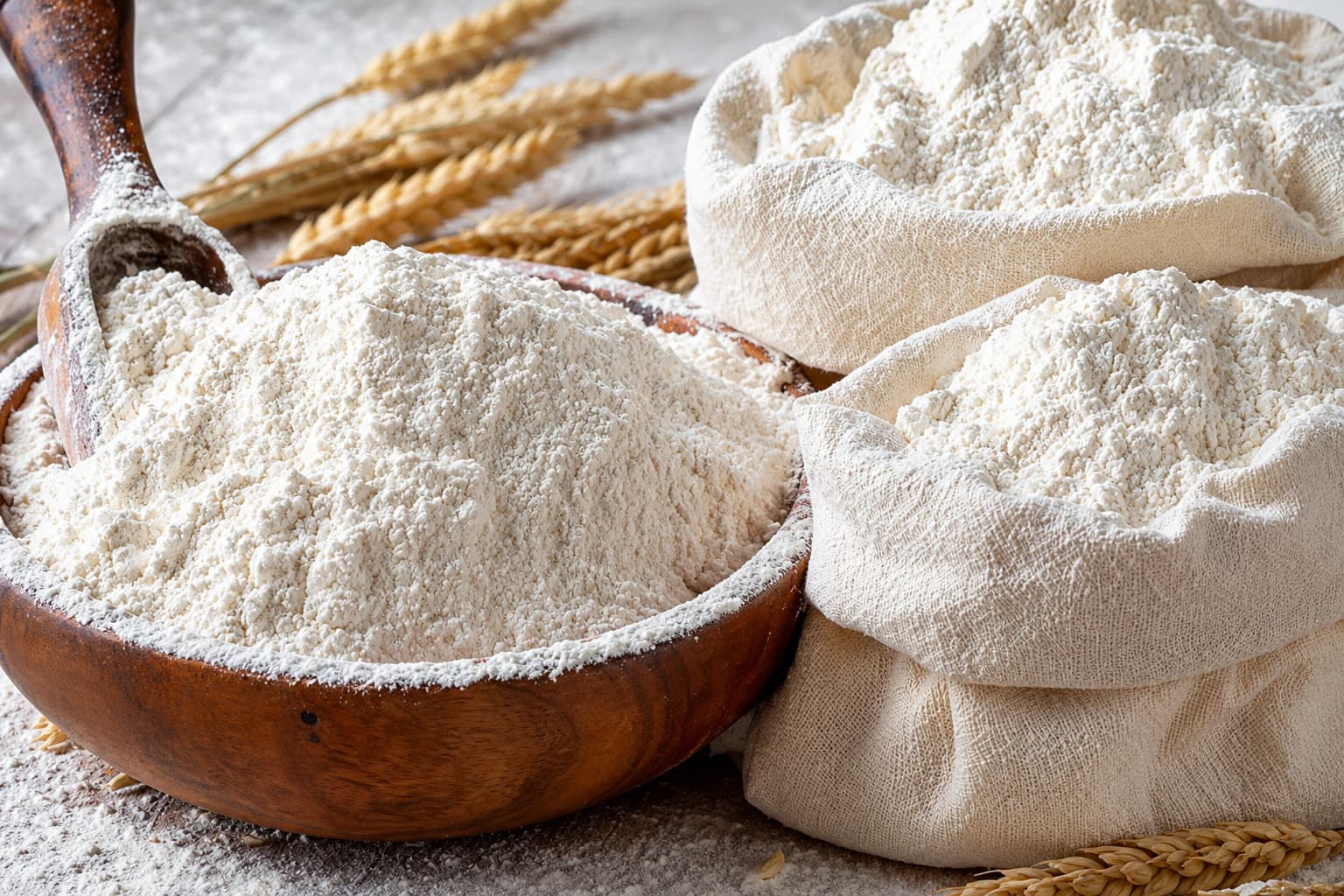
KARACHI: Flour prices have surged once more throughout Pakistan, raising the cost of a 20-kg bag of flour up to Rs2,900 in some markets, while Karachi has been declared the most costly city of Pakistan for wheat flour, as per the recently released PBS weekly price data for Pakistan.
This new surge is adding to the financial burden of millions of people who were already suffering from surging food prices. Flour is the most vital food product for most Pakistani families.
Karachi Tops Pakistan in Flour Prices
According to the recently available PBS data, consumers of Karachi now pay up to Rs2,900 for a 20 kg pack of flour, which is the most expensive flour available in Pakistan.
Consumers of Islamabad, Quetta and Khuzdar are paying up to Rs2,800 for the same pack of flour. Pricing continues to be high in other urban centers as well. The consumers of Peshawar are paying up to Rs2,750 while the price of flour in Rawalpindi has reached up to Rs2,747 while in Hyderabad it is up to Rs2,740. In Bannu, the price of flour has gone up to Rs2,700 per pack.
Price Gap Between Cities Remains Significant
However, there have been significant differences in flour prices by region in the nation of Pakistan. In Sukkur and Larkana, for instance, the cost of a 20kg flour pack is up to Rs2,560 and Rs2,500 respectively. In Multan, the consumers pay up to Rs2,420 whereas in Gujranwala and Bahawalpur the price is up to Rs2,400.
Read More: Pakistan’s Weekly Inflation Falls 0.98% as Fuel Prices Lead the Decline
Sialkot reports a price of Rs2,333, while Faisalabad records Rs2,300.. The city of Lahore comes in relatively cheaper with a price of Rs2,250 while Sargodha comes up with the cheapest maximum price in the country at Rs2,240. The almost Rs660 difference between Karachi and Sargodha signifies regional differences in the price of wheat flour.
Food Inflation Continues to Worry Consumers
Economists say wheat procurement costs, transportation charges, storage expenses, milling costs, and regional supply conditions drive flour prices across Pakistan.
The price of flour constitutes a significant amount in the budget of low income earners' monthly food expenditure. Any rise in price will reduce their purchasing power, hence reducing their expenditure in other important areas.
Inflation is generally lower than its past peaks, but food prices continue to fluctuate in various regions in the country. Commodity prices of flour, pulses, vegetable oil, and sugar continue to exert pressure on family incomes.
According to market experts, adequate supply of wheat, efficient transport systems, and market monitoring are expected to be key in maintaining steady prices going forward.
The Pakistan Bureau of Statistics monitors weekly prices in major cities to determine fluctuations in the cost of basic necessities, which form part of a useful indicator of inflation trends affecting families across the country.




Leave a Reply
Your email address will not be published. Required fields are marked *