ISLAMABAD: The Pakistan government will take the advice of the International Monetary Fund (IMF) in making the final decisions regarding taxes to be included in its upcoming auto policy because the fund has been opposing the reduction in sales tax from 18 percent to 12.5 percent on 800cc cars.
Why the IMF Opposes Reduced Cost for Small Cars
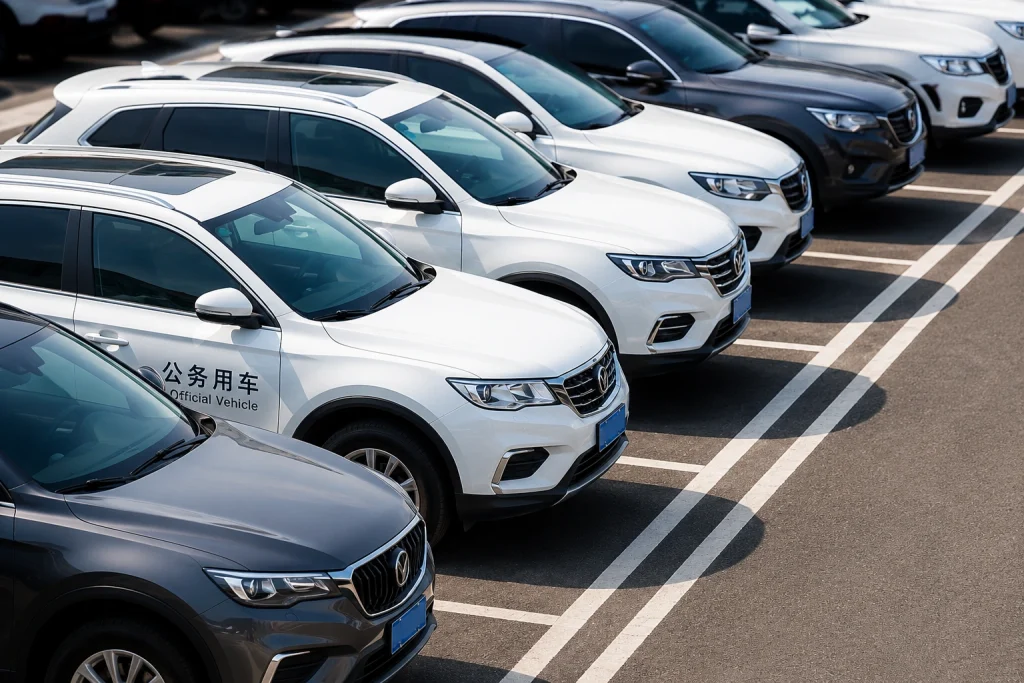
This dispute stems from the proposal to reduce the rate of sales tax for small cars which are manufactured in Pakistan. Under the current law, customers need to pay sales tax at 18 percent on cars which have an engine size of up to 800cc. However, the government had proposed to lower this rate to 12.5 percent, which would make such cars affordable for poor people.
In fact, the IMF does not agree with the reduction of costs for small cars because it insists on subsidizing the customers through the subsidies rather than reducing the sales tax rate. This stance is consistent with the general strategy of the IMF in the discussions on automotive policies in Pakistan.
The Reasons Why the IMF Is Against Reduced Costs for Small Cars
It is important to understand that the issue arose due to the proposal concerning the reduction of the rate of the sales tax levied for small cars produced in Pakistan. Nevertheless, the government plans to reduce the tax rate to 12.5 percent making the vehicles cheaper for the poor people.
The reason why the IMF opposes reduced costs for small cars lies in the fact that the organization believes that it is more profitable to subsidize customers with the help of subsidies.
ALSO READ Can GPX Libre 150 Finally Dethrone Honda CB150F in Pakistan
Further Consultations Before Finalization of Policy
As the IMF is against making small cars cheaper without any compensatory effect on the fiscal situation, the government needs to think over its options before finalizing the policy.
It is not the first difference of opinion that has occurred between the IMF and the government in terms of taxing vehicles. The IMF has turned down separate government proposals for reducing the sales tax rate on hybrid and electric cars, and has been insisting on retaining the usual rate of 18 percent for most vehicles.
Proposed Carbon Tax
Apart from the controversy over the sales tax, sources state that the government may consider imposing carbon tax on the engines of both gasoline-based vehicles and hybrids. This policy would fit into the larger plan of environmental and climatic goals for Pakistan, making the taxation regime more relevant to emissions produced.
Implications for the Pakistani Car Consumer
It is evident from the discussion above that there will be a direct consequence on the consumer in Pakistan due to the non-willingness of the IMF to make small cars more affordable. The 800cc small car is one of the easiest ways for many Pakistani consumers to access car ownership due to an 18 percent to 12.5 percent reduction in the sales tax.
The current dispute regarding the taxation of 800cc vehicles is part of a wider trend of disagreements concerning Pakistan’s Auto Policy 2026-31. The IMF has repeatedly resisted various tax concession suggestions during the formulation of the policy on the grounds of potential revenue distortions in light of the country’s Extended Fund Facility program.