
India Court Declares 700-Year-Old Mosque a Temple, Muslim Prayer Rights Ended
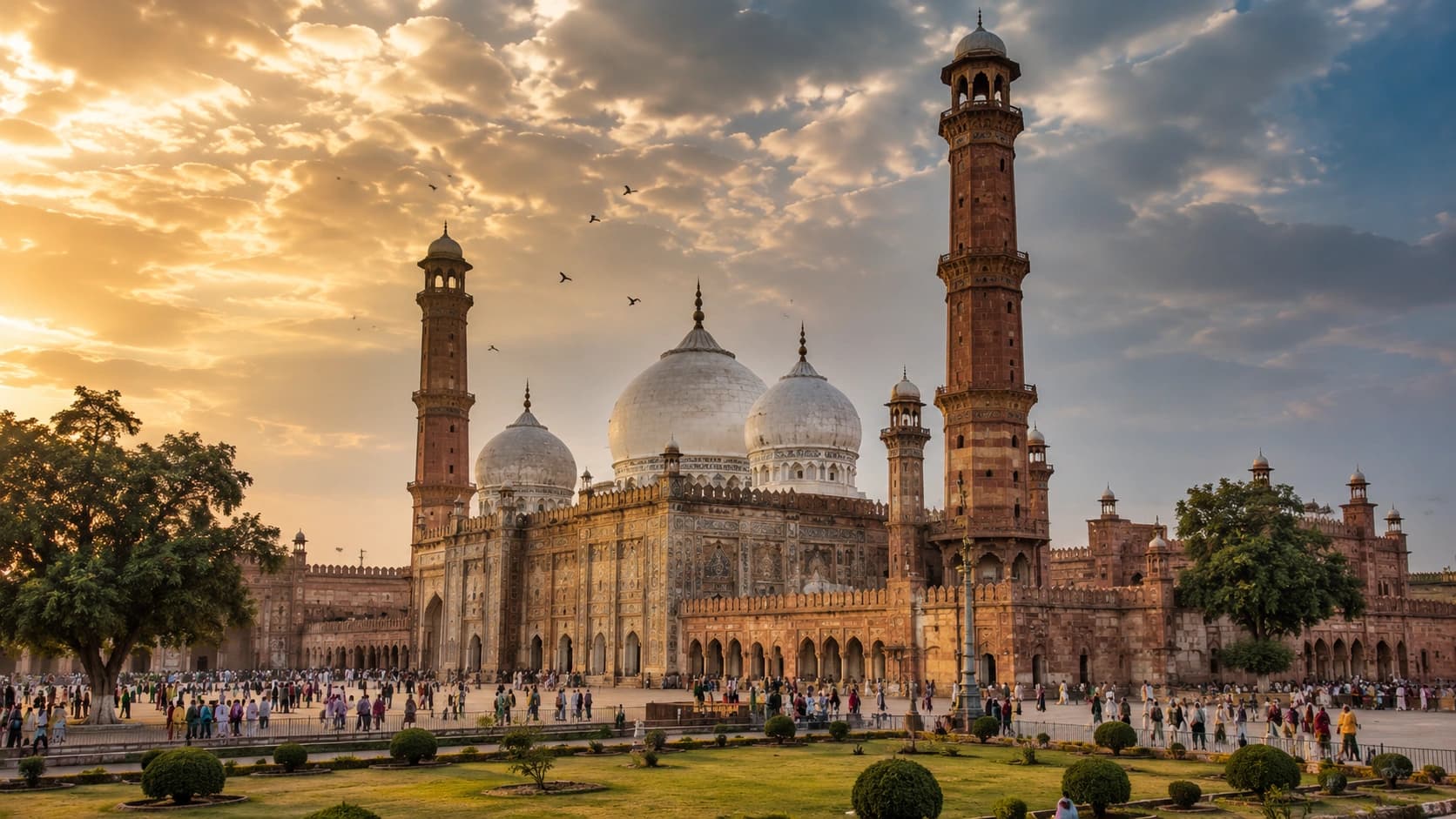
DHAR, MADHYA PRADESH: The Kamal Maula Mosque verdict has ignited fresh controversy in India after the Madhya Pradesh High Court ended Muslims prayer rights India at the historic Dhar complex.
According to the judgment delivered by the Indore bench of the High Court of Madhya Pradesh consisting of Justices Vijay Kumar Shukla and Alok Osthi, the said Kamal Maulana Mosque in the town of Dhar can be called a "Saraswati Mandir" and Sanskrit learning institute. The court not only struck down the order of 2003 which allowed Muslims to pray on Fridays at this mosque but also gave Hindus rights to perform religious rites at the site.
A Mosque Built in the Delhi Sultanate Era
According to historical records, the first construction of the mosque dates back to 1307 AD, when the rule of Sultan Alauddin Khilji began. After conquering the region of Malwa under the rule of Khilji’s army, it was decided to build a mosque in the town of Dhar to commemorate their victory.
The mosque underwent renovation during the year 1393 AD by Dilawar Khan Ghori, who held the position of governor during the rule of Tughluq, and there exists an inscription from the time of its renovation, which is still visible near the gateway of the mosque. In the Mughal era, some changes were made to the structure in the form of stone columns and a flat roof.
Also Read: How Pakistan Spent 20 Years Strengthening a Fragile Air Defence System
The Colonial-Era Claim That Started Everything
A Hindu historian during the period of British rule had claimed that the site was originally used as an institution for learning Sanskrit, established by King Bhoj, which the Muslims later converted into a mosque. Hindu nationalists adopted this line of reasoning as the basis of their arguments. However, the British Resident in Indore termed the argument baseless and unsubstantiated. The historians further added that the Saraswati deity worshipped in the London Museum had no link with the site.
Notwithstanding this, the Indian government took the site under the protection of the Archaeological Survey of India, and for decades a compromise prevailed whereby the Muslims offered Friday prayers while tourists and Hindus visited the complex on other days.
Muslim Groups Vow Supreme Court Battle
This decision sparked instant unrest. The Maulana Kamaluddin Welfare Society stated that they would be appealing the court’s decision at the Supreme Court of India, as history proves the mosque’s existence for centuries. In January 2026, the Supreme Court had kept things balanced by allowing prayers for both communities. However, this High Court decision completely upsets that balance. Muslims residing locally have been organizing protests, prayers, and legal advice meetings throughout Dhar. The scholars fear that if courts proceed with changing the identity of mosques, then Muslims’ cultural history is going to be wiped out systematically in India.
Bigger Than One Mosque
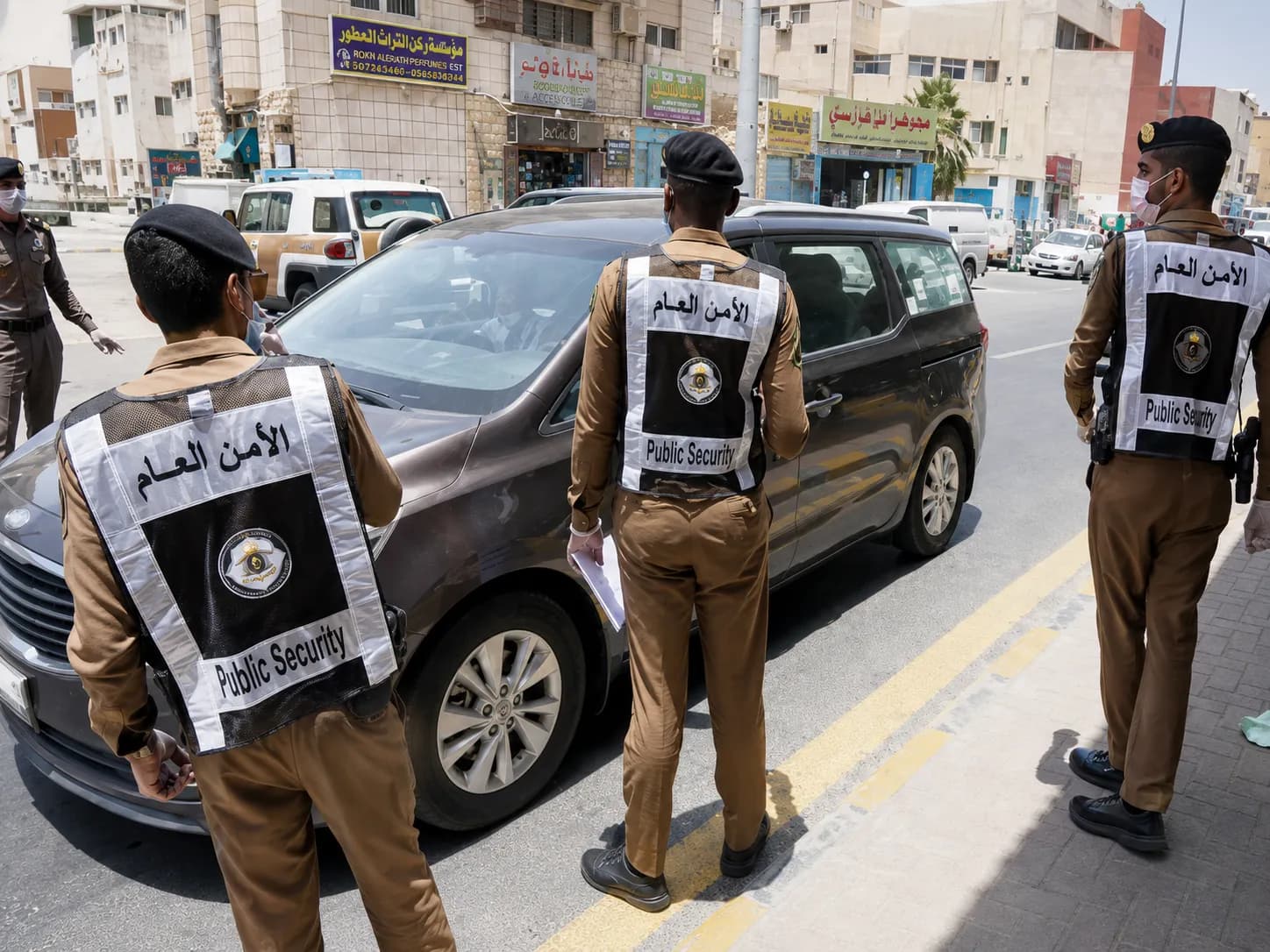
The security forces imposed a lockdown in Dhar immediately following the decision. While Hindu-nationalist groups rejoiced at the complex, Muslim communities were mourning and venting their frustration on social media, terming the verdict 'judicial terrorism' and further Hindutva.
The pressing question posed to India is as clear as could be: if an area served as a mosque for seven hundred years and was recognized by Muslims as such; if regular prayers had been held there, if there were architectural features that proved it to be an Islamic structure; and if it has officially been accepted as part of the Islamic heritage, how could a court just brush aside its religious identity? The Muslims are gearing up to argue against the verdict in the supreme court.

Leave a Reply
Your email address will not be published. Required fields are marked *