
50% of Pakistani Adults May Have Fatty Liver Disease, Here Is What Is Causing It and Who Is at Risk
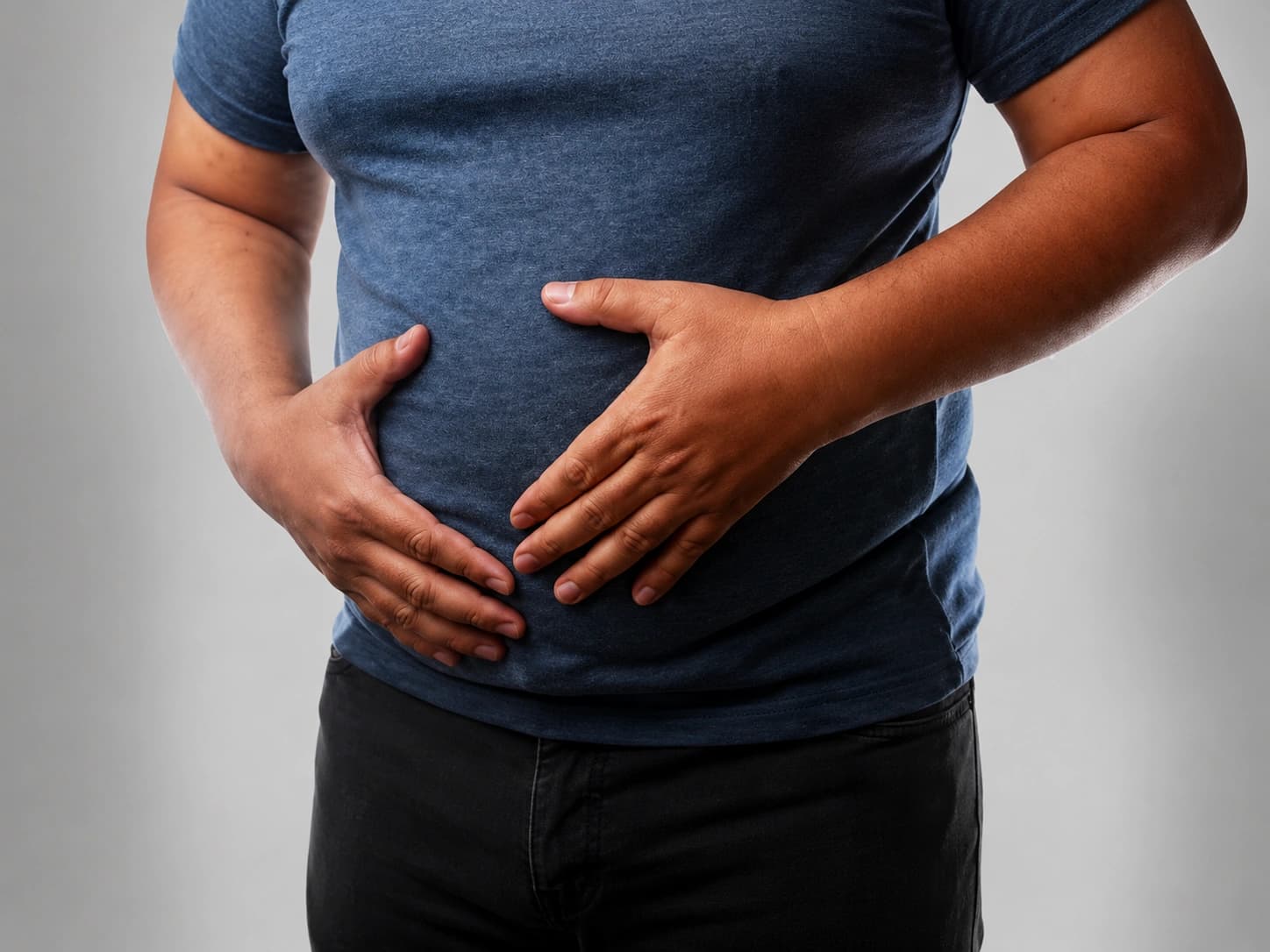
ISLAMABAD: The top specialists in Pakistan in the field of gastroenterology recently issued a warning. It is estimated that almost half of all the adults in Pakistan might have the condition of fatty liver because not only does the condition show no symptoms, but it causes damage to the liver gradually over time.
The caution was sounded by top experts at the 8th Annual Conference of the Pakistan Gastrointestinal & Liver Disease Society, whose theme was 'Empowering the Future: Moving Forward with GI & Liver Diseases'. All the speakers were in consensus that fatty liver disease in Pakistan has become an epidemic, but the country does not have a response equal to it.
Causes of Fatty Liver Disease Identified by Pakistani Physicians
The causes that Pakistani physicians have attributed to fatty liver disease include obesity, unhealthy eating habits such as junk food intake, inactive lifestyles, and lack of exercise. Over the past 20 years, Pakistan has seen a tremendous amount of urbanization, which has led to an increase in all these factors at once.
According to Dr Lubna Kamani, president of PGLDS, fatty liver is among the most common reasons for chronic liver diseases in Pakistan. It has been associated with an increase in obesity and diabetes along with poor dietary patterns in both urban and peri-urban areas. The interplay of these metabolic conditions provides fertile ground for fat build-up in the liver, and this occurs on a large scale in Pakistan’s population.
Disease Develops Stealthily
Among some of the most worrying characteristics of this disease that have been noted by experts studying cases of fatty liver disease in Pakistan include the stealth manner in which it develops. There is no pain involved; patients do not notice any symptoms and have absolutely no warning signs at all.
The illness will develop in a predictable yet alarming manner if left unmanaged. The fibrosis of the liver makes it hard for the body to function well. Cirrhosis occurs as scarring begins to happen. This is followed by liver failure or liver cancer due to the years of poor lifestyle practices.
Children and Thin People Are Now Affected
The conference pointed out an aspect of the fatty liver disease in Pakistan issue that goes against popular expectations. This health issue is not confined to obese or overweight adults anymore. In Pakistan, people who have a normal body mass index and lack metabolic risks are now affected by fatty liver disease.
According to former President of PGLDS, Professor Sajjad Jamil, such development can be attributed to factors such as unhealthy eating practices, metabolism-related issues, and physical inactivity as opposed to being solely based on weight. Fatty liver disease is especially challenging in cases where the patient is underweight since obesity is not present.
ALSO READ: Your Watermelon Might Be Injected, Here Is Exactly How to Check Before You Buy
Genetic Weakness Increases the Susceptibility of South Asians
Dr. Prof Nazish Butt, a gastroenterologist, introduced a new angle of genetic weakness in the case of Pakistan’s problem of fatty liver disease. According to her, people from South Asia, including Pakistanis, have developed certain genetic mutations because of prolonged exposure to famine-like circumstances.
Mutations that have been beneficial for energy storage in previous times when there was food scarcity now pose challenges for the very people who carry them. These genes, which had saved our ancestors from starvation, now become detrimental to Pakistanis in modern times because excess calories have been made easily available, especially processed ones.
Lack of Female Gastroenterologists in Pakistan
The shortage of female gastroenterologists was highlighted by Dr Kamani. The lack of female gastroenterologists is one of the structural factors that pose an obstacle to women suffering from non-alcoholic fatty liver disease in Pakistan.
The cultural and social customs prevailing in Pakistani society imply that many women would rather be treated by a woman doctor for their gastrointestinal and hepatic disorders. If there is a shortage of women doctors, these patients will put off consulting a doctor and will only do so when the condition has reached an advanced stage.
Colorectal cancer, inflammatory bowel disease, and hepatitis B
In addition to the fatty liver, the conference deliberated on other diseases that Pakistani doctors were concerned about. Doctor Kamani indicated that the cases of colorectal cancer had been on the rise among the youth in the country. Early diagnosis is difficult due to the lack of knowledge, costs, and social stigma, thus cancers that can be easily treated become terminal.
Dr Shahid Ahmed from PGLDS Patron talked about inflammatory bowel disease including causative factors, signs, and prevalence in Pakistan. He stressed the importance of early diagnosis of gastrointestinal diseases and advised people to visit gastroenterologists instead of unskilled physicians.
Medications for Weight Loss Provide Additional Treatment Approaches
Dr. Prof AH Aamir stressed on the growing role of new-generation weight loss medications in combating the underlying metabolism of fatty liver diseases that are prevalent in Pakistan. Semaglutide, the active component of the currently popular medication aimed at dealing with obesity, has proved its efficiency in tackling obesity, diabetes type 2, cardiovascular health problems, and fatty liver diseases.
What Pakistan Must Do Immediately
A multifaceted strategy must be employed for Pakistan to address the issue of fatty liver in Pakistan. Awareness regarding the occurrence of this disease and their vulnerability to contracting it must be raised among those populations who may not have even heard about this disease. Screening programs must also move out of hospital premises.
The lifestyle modification process, including the decrease of unhealthy food intake and the increase in exercise, aims at addressing the root of the problem. Medical treatment by qualified gastroenterologists, incorporating new drugs as well, deals with situations when lifestyle modification is not enough to reverse the condition.
The 8th International Conference on PGLDS made this case very clear. The fatty liver disease specialists in Pakistan have labeled an epidemic, affecting almost half the adult population, advancing silently, impairing various bodily organs, and striking children and lean people despite the lack of visible markers. However, the Pakistani health system’s efforts to meet the magnitude of this threat have, according to the experts who issued the alert, been found wanting.




Leave a Reply
Your email address will not be published. Required fields are marked *