
Pakistan Coal Power Generation Hits Record 22%
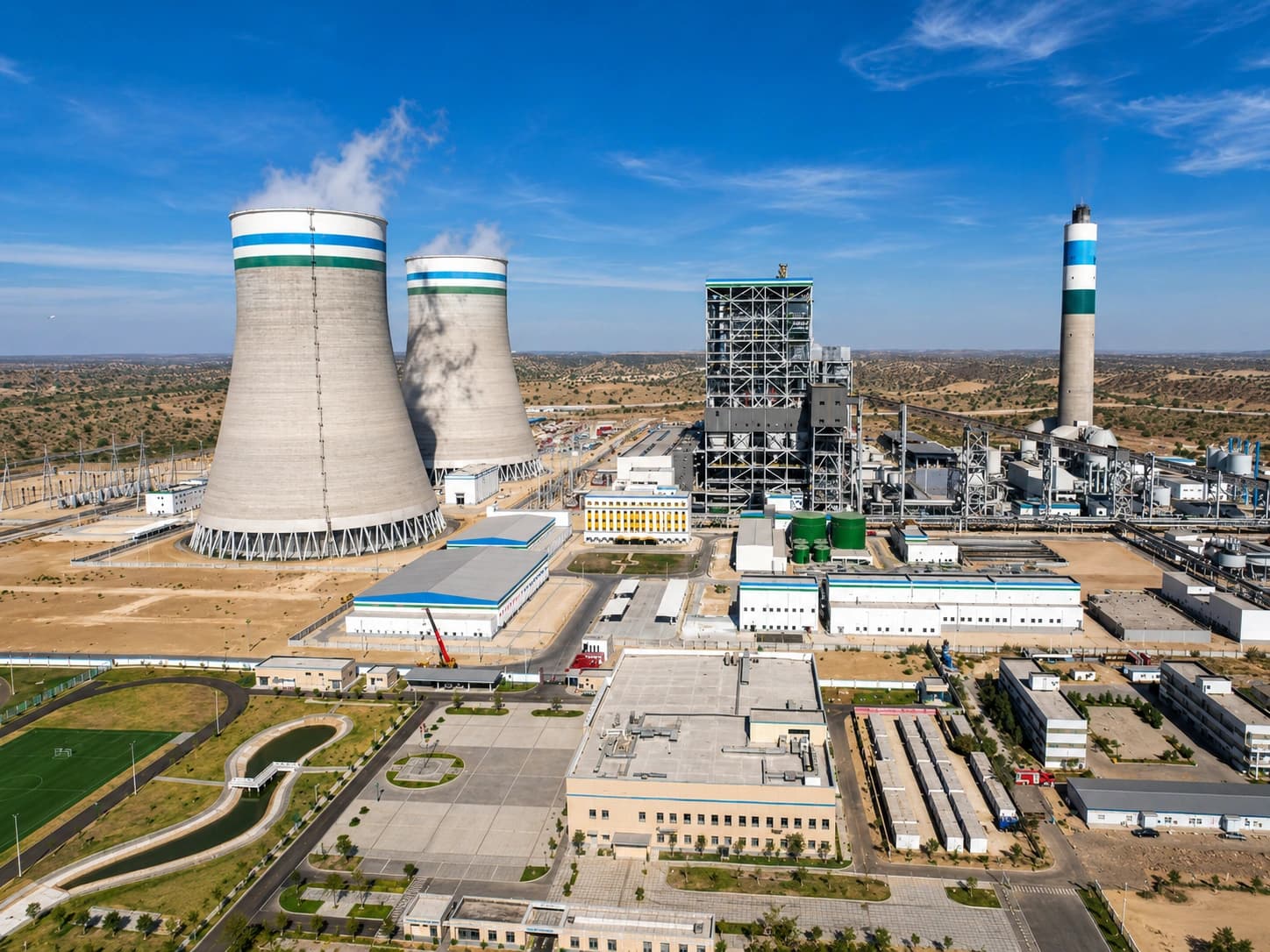
ISLAMABAD: It is a remarkable feat that the power industry in Pakistan has been able to achieve something which was previously impossible. The reason behind this is that the production of electricity through coal now contributes up to 22 percent of the total electricity being produced in Pakistan, which is a new high.
The 22 percent number is based on statistics provided by Central Power Purchasing Agency in a report compiled by Topline Securities. It should be noted that in terms of percentage contribution to total power generation capacity, Pakistan's coal-based power plants have doubled their contribution from the 9.8 percent recorded during fiscal year 2018 to date.
RLNG Disruption Led to Increased Coal Power Generation
The first cause of the surge in coal-powered energy generation witnessed by Pakistan is the interruption in the supply chain for regasified liquefied natural gas. This fuel had been used extensively by Pakistan's thermal power stations and provided a cheap and environmentally friendly means of generating power.
The stability crumbled. As the tension between the two countries, i.e., the US and Iran escalated to its peak, along with the consequent shutdown of the Strait of Hormuz, an area considered to be extremely significant for energy shipment in the entire globe, one of the main routes through which the LNG was shipped was blocked.
Since gas-powered generation was no longer viable for Pakistan’s power sector, they moved on to use the next most affordable energy source. Coal imported by the country was utilized to cover the deficiency. The coal power generation in Pakistan using imported and locally mined coal went up due to the RLNG deficit problem.
The Strait of Hormuz is responsible for transporting 20 percent of all international oil and gas transportation. The Strait of Hormuz’s closure was not limited to disrupting oil and gas supplies between the US and Iran; its ramifications were felt across the entirety of the region by every energy-importing nation, including Pakistan.
Coal Power Growth in Eight Years
The peak percentage share of coal power generation recorded during FY2026 was not achieved overnight. The numbers paint a picture of continuous and persistent growth that predated the present RLNG problem by many years.
In FY2018, coal made up 9.8 percent of the energy consumption in Pakistan. The number increased to 22 percent for the first nine months of FY2026. The trend showed an increase most years between those periods due to several reasons, one being the Chinese-Pakistan Economic Corridor projects in Pakistan's coal-based power plants and another being Pakistan’s exposure to gas price fluctuations and import disruptions.
A large sum of money was spent by Pakistan in building coal-fired power plants within the framework of the China Pakistan Economic Corridor. Imports of coal-fired power plants from foreign countries such as Indonesia and South Africa, as well as the use of Thar coal projects based on Pakistan’s lignite deposits, helped build a significant coal energy base in the country.
The increase in coal-based electricity production in Pakistan also follows a larger trend in energy production development in South Asia. Nations that lack natural gas supplies domestically as well as easy access to reliable LNG imports have often defaulted to using coal for thermal production due to the widespread availability, international trading, and economic competitiveness of coal.
ALSO READ: PM Shehbaz Sharif Forms Task Force to Make Electricity From Solid Waste
Coal Power Generation Costs
Power production from coal in Pakistan at 22 percent comes at a cost that goes beyond the coal itself. The importing of coal makes the country’s power industry vulnerable to international price fluctuations, which make RLNG costly whenever there is a shortage of supply. A sudden rise in the cost of coal internationally, due to increased demands in countries such as China, India, or Europe, will raise the cost of power generation.
As it is already difficult for the energy sector of Pakistan to deal with the circular debt issue, the problem becomes even more difficult due to higher generation costs. The increased cost of fuel causes an increase in the generation cost per unit. Since the tariffs charged from consumers do not always cover these costs, the difference between the two forms circular debt.
Role of Thar Coal in Introducing a Domestic Element
All of Pakistan’s coal-fired power expansion efforts do not depend on imported coal alone. The introduction of coal-fired generation capacity from Thar coal projects through extraction of Thar lignite deposits estimated at 175 billion tons, which is among the largest in the world, marked the addition of domestic capacity.
The coal power stations in Thar will decrease Pakistan's vulnerability to any interruptions to its international shipping and costs of currency for importing fuels. This means that Pakistan has its own energy resource which is under its control. Nevertheless, it should be noted that energy density of Thar lignite is less than that of thermal coal sold internationally.
Next Steps for Pakistan’s Power Mixture
With Pakistan’s coal power production at its highest-ever level of 22%, there is a shift taking place in Pakistan’s energy mixture that is not likely to change anytime soon. Coal plants are capital-intensive projects that have an operational life of 25-30 years. The capacity Pakistan created via its CPEC investments, among others, is here to stay.
The first thing to do is to stabilize the supply of RLNG. If the Strait of Hormuz becomes accessible and RLNG starts flowing normally, the Pakistani planners would surely resume scheduling towards natural gas plants where such an option was feasible. However, the coal power plant base will expand structurally and the generation from the coal power plant will continue to dominate the power mix as compared to FY18.




Leave a Reply
Your email address will not be published. Required fields are marked *