
Karachi Water Officials Bust Illegal Hydrant Network Stealing One Million Gallons Daily
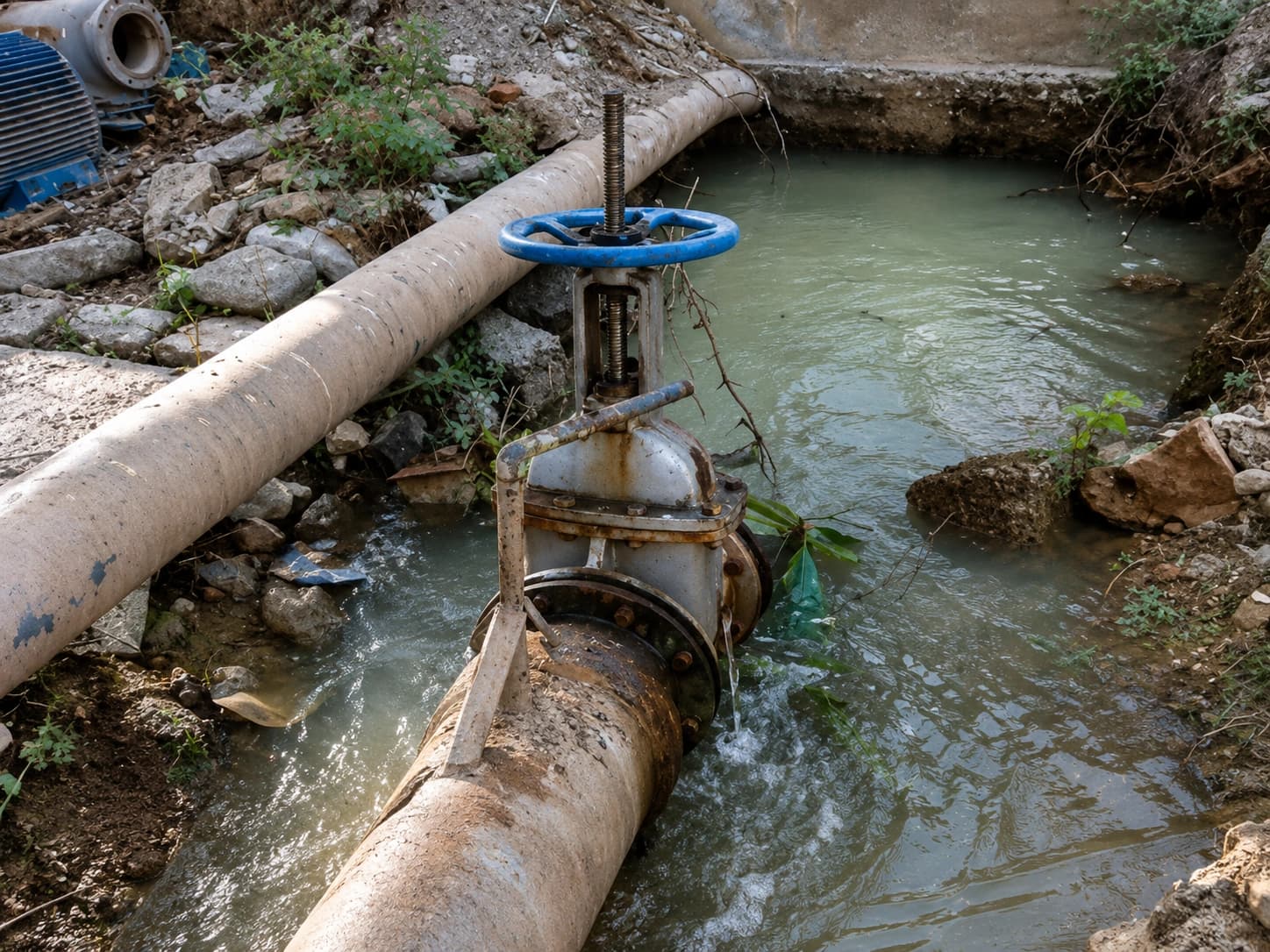
KARACHI: Behind Malir Court, concealed under a damaged water line in Juma Goth, an illicit group was pilfering around one million gallons of water from the water supply system of Karachi every day. The water supply hydrants racket in Karachi, undertaken on the directives of Mayor Murtaza Wahab, brought to an end this racket, but highlighted the scale of the water theft business in Pakistan’s biggest city.
A joint effort was made by the water company’s sub-soil division and security personnel to raid the illegal water hydrant bust, which had been using an unauthorized breach of the conduit to fill 80 to 100 tankers per day. It has been stated that action will be taken against those involved in this operation.
The Scale of the Theft
One million gallons per day, not taken by individual families struggling to access water in order to survive, but by an organized syndicate using tanker fleets to sell this stolen water to the people of Karachi for their own profit. The citizens of the city have to pay twice; first through taxes and utility bills, which support the development of water facilities, and then by buying the water sold by the tankers from their own hydrants.
Problem Already Recognized by Mayor
In the case of the raid on the illegal water hydrants in Karachi, there was nothing for the city’s authorities to learn. This is because Mayor Murtaza Wahab had already publicly admitted that large amounts of water were being diverted from Karachi’s resources — an unusual thing for a mayor to admit about the water tank mafia’s operation.
Mayor Wahab has declared his intention to do away with the hydrants altogether in Karachi.
The decision was made during the launching of the “Jehangir Road Rehabilitation Project” when the Mayor spoke to the media on the subject of the hydrants. The abolition of the hydrants as opposed to regulation is the more sound structural policy but it is a politically difficult decision considering the years of profitability of the hydrants.
ALSO READ: Indus Waters Treaty Cannot Be Modified Unilaterally, Tarar Says
The Way the Illegal Network Functioned
The workings of the Karachi illegal water hydrant bust present a simple but efficient criminal model:
- The gang tapped into a water pipeline at Juma Goth in Malir area
- They rigged an unauthorized hydrant behind Malir Court – which offered physical protection from being detected easily
- A number of 80-100 tankers filled their capacity at the hydrant daily
- These tankers then supplied this water to various households and businesses in Karachi at normal market prices – earning money by selling the water which was free for them to collect
One million gallons of water stolen every day by the water corporation's estimates is both a loss to the water utility and an economic drain on the people of Karachi, since the people have to pay for water service officially while buying water that is stolen from them at the same time.
The Water Problems of Karachi Are Harder Than Raids Can Fix
The water hydrant bust in Karachi eliminates one link in a system of connections that works throughout the city. The water problems in Karachi, arising from the poor condition of the infrastructure, the growth of the population well ahead of what can be supplied, leaks and theft, cannot be fixed by raids alone.
The mayor's stated desire to get rid of the system is correct, but it needs to be replaced by something else; otherwise, people will still require the tanker services to have their basic needs met.
The news about the busting of the Karachi illegal water hydrants is good news for the citizens of Karachi. Whether it will be the start of something new or just another action that has happened before in this city and failed to make an impact remains to be seen.





Leave a Reply
Your email address will not be published. Required fields are marked *