
Foreign Ships Collide Near Karachi Port, Triggering Federal Investigation
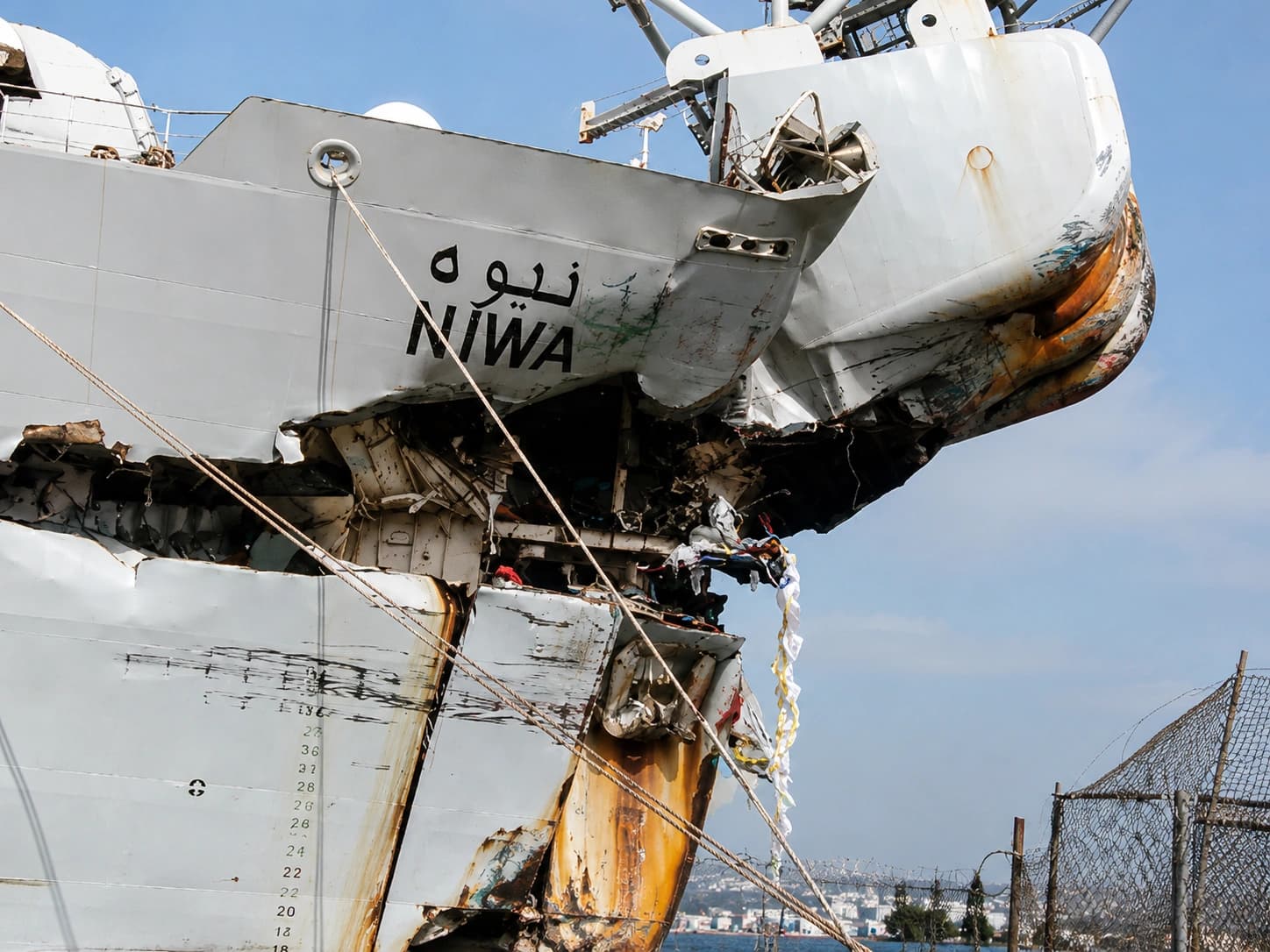
KARACHI: An incident where two ships having their flags from other nations hit each other has been reported just outside the entry channel of Karachi Port, which is the biggest port of Pakistan. The collision took place between the MV NIWA, a UAE-owned cable repair ship, and the MV PAPU, a Liberian-owned container ship, at Fairway Buoy at about 2000 hours on 28th May 2026.
The accident has happened during an especially delicate time for the port city of Karachi. Being Pakistan's principal seaport, the harbor has developed into an important regional center for business since the beginning of the year 2026 when the Strait of Hormuz was shut down for all forms of commerce owing to the growing tension between Iran and the United States.
The Collision: What Happened at the Fairway Buoy
According to the reports generated by the KPT and the Ministry of Maritime affairs, the MV NIWA which is a 146-meter long cable laying and repair ship, built in 1991, having the dead weight tonnage capacity of 7,900 tons was approaching the port channel for picking up the pilot when the accident occurred.
Regarding the second ship as stated above, that is MV PAPU, it is a container ship having a length of 215 metres and a deadweight capacity of 38,000 DWTs and carrying 2,700 TEUs, which was built in the year 2008.
Damage to the hull was inflicted in the bow of MV NIWA by the collision. Based on the information that has been reported by various port authorities as well as news media, an unspecified number of container boxes from MV PAPU have been found missing in the ocean due to the occurrence of the mishap. The container ship itself has escaped any structural damage due to the mishap.
Emergency Response of KPT: Four Tug Boats, One Night
On being notified about the accident, the Karachi Port Operations Centre responded swiftly to this situation. The Karachi Port Trust made use of its four most important tug boats, namely MT Mithadar, MT Kharadar, MT Lyari, and MT Keamari, for the emergency response, which was managed by Deputy Conservator Capt. Abrar Arif, Harbor Master Capt. Babar Saleem, and Dock Master Capt. Hameed Khan Jadoon, as tweeted
MVs NIWA was safely guided to the Karachi harbour by the tugs. It was then docked in Berth No. 5 for further investigation. The whole operation came to an end well before midnight on the night of May 28-29. This was termed by KPT as being a display of their readiness even though it took place during the holiday season of Eid.
Federal Inquiry: Negligence Comes to Fore
The Federal Minister for Maritime Affairs, Junaid Anwar Chaudhry, promptly decided upon initiating an investigation into the matter. The minister stated in a press release dated May 29, “The mishap happened beyond the operational area of Karachi Port and primarily due to the negligence of the masters of the two ships involved”
KPT has embarked on an independent formal inquiry to find out the actual chain of events and apportion technical responsibility. Sources at the port said an evaluation of damage done to MV NIWA was being conducted before claims for compensation were made against the vessel’s owner.
A high-level meeting chaired by Rear Admiral Shahid Ahmed of KPT met at Karachi Port in the wake of the accident in order to analyze the situation leading up to the collision and also examine the port’s emergency protocols for such incidents.
ALSO READ: Karachi Port Sets Record with Largest Fuel Delivery Operation
The Big Picture: The Karachi Port Deals With an Unprecedented Wave of Ships
The collision is not an isolated incident either. There was a dramatic increase in the flow of vessels coming through Karachi Port because the Strait of Hormuz became blocked to all civilian navigation from March 2026 onwards. Just 24 days of March saw the transfer of 8,313 TEUs of transshipments at the Karachi Port alone, surpassing its annual total for the year 2025 by more than 1,000%.
Handling of cargos in Karachi Port was estimated to be 168,850 tons on March 31, 2026, up from 57,198 tons recorded during the same period the previous year. The port that manages more than half of the total foreign trade of Pakistan has managed most of the diverted cargos that had been transshipped via Jebel Ali, Fujairah, and Khor Fakkan, among others in UAE.
The traffic increase has made the Karachi port strategically important and economically viable but has also caused a lot of congestion in the approach and anchorage areas. It is worth mentioning that due to congestion, 17 ships have been made to wait at the anchorage zones of both Karachi Port and Port Qasim simultaneously, which has been pointed out by navigation experts as one of the factors leading to risks.
Implications for Trade and Marine Affairs in Pakistan
However, it should be mentioned that much effort has gone into making Karachi a sustainable maritime city by the government of Pakistan. In March 2026, the following incentives have been provided wherein a 60 percent reduction in the cost of ship berthing is provided. Simultaneously, the dredging process at the Karachi port was expedited with four dredgers, namely Rotterdam, Athena, Abul, and Indus Dolphin working together at the same time.
However, the accident of MV NIWA and MV PAPU did not result in any casualty or disruption of the current activities taking place in the port. However, the timing could not be worse as Pakistan is now advertising itself as an alternative to the Gulf transshipment facilities that are considered safe, reliable, and efficient. Indeed, the chairman of Pakistan Ship’s Agents Association, Mohammad Rajpar, had recently referred to Karachi as a “Safe Haven and Temporary Storage Hub” for global trade.
Looking Forward: Investigation, Compensation, and Safety Reforms
It may take several weeks before the results of the investigations by the government and KPT are known. Important issues to be resolved include the sequence of requests for pilotage on MV NIWA, the routing of MV PAPU out of the harbor, communications among MV NIWA, MV PAPU, and KPT Port Control in the minutes before the accident occurred, and the adequacy of current traffic separation procedures outside the Fairway Buoy.
The compensation procedure following an assessment of damages will be undertaken against the offending vessel. Considering that the MV NIWA is a cable repair vessel and such vessels help maintain communication networks under the sea, which is essential for Internet access in Pakistan, there will be repercussions well beyond just the maritime industry.
It is anticipated that maritime safety experts and policy makers will be observing how the central government leverages the situation to push forward a more comprehensive evaluation of Karachi Port’s navigational safety framework, especially as concerns the ability to handle high traffic flows, resulting from the crisis surrounding the Strait of Hormuz.


Leave a Reply
Your email address will not be published. Required fields are marked *