- Pakistan Attempts to Lure Gulf Oil Producers to Establish Petroleum Stockpiles in Gwadar Energy City.
- First signs come from Kuwait, with Pakistan, which doesn’t have its own crude stockpile, hurriedly trying to forge links for a secure energy pipeline in light of the Hormuz issue.
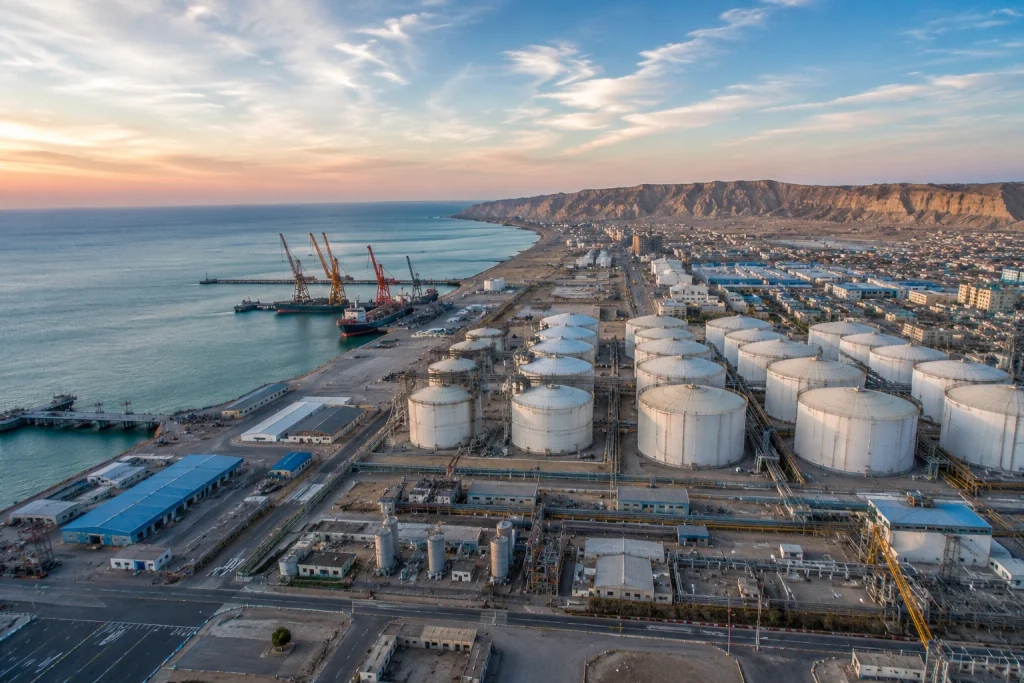
ISLAMABAD: Pakistan has begun lobbying Gulf oil producers in exchange for a mutually beneficial arrangement: keep your stockpile at Gwadar, and in case of war or any emergency, Pakistan gets first right to use it. Kuwait has already moved to the front of the queue, with Islamabad confirming the Gulf state has expressed concrete interest in developing storage facilities there.
“In case of emergencies like the breakout of war, Pakistan will have the first right to utilise the oil reserves,” a Pakistani official.
Zero Reserves, Maximum Exposure
The timing tells the real story. Pakistan currently holds zero crude reserves no buffer, no fallback at the precise moment the Middle East crisis has choked off its main energy arteries. The war and the closure of the Strait of Hormuz knocked out Qatari LNG production and exports almost entirely, sending Pakistan into rolling power cuts and fuel rationing. Islamabad had relied on Qatar’s term LNG supply for years. Losing it exposed just how thin the country’s energy safety net actually was.
Also Read: How Imported Oil Keeps Pushing Pakistan Into Economic Crisis
Kuwait in Focus as Maritime Minister Moves Fast
Federal Minister for Maritime Affairs Muhammad Junaid Anwar Chaudhry moved quickly. He put the Energy City proposal directly to Kuwaiti officials, asking them to explore crude, LPG and LNG storage options at Gwadar, with rental-based bonded storage facilities forming a key part of the pitch. The model, if it comes together, would also open Gwadar as a regional re-export and supply-chain hub a role the port has long been positioned for but never fully realised.
The Energy City plan goes beyond crude storage. LNG and LPG terminal facilities are included in the comprehensive plan, and a top governmental committee is already looking into possible locations along the Makran coast of Balochistan to establish another port in addition to Gwadar.
Energy diplomacy efforts by the state have been going in multiple directions at once lately. In its latest foray into the diplomatic world, Islamabad acted as an intermediary between Washington and Tehran for several weeks, which has apparently paid off, in the sense that Pakistan has signed a deal with Iran, enabling vessels to sail through the Strait of Hormuz. Two ships transporting LNG from Qatar are heading towards Pakistan after successfully passing through the Strait.
The development offers some immediate relief, but it also sharpens the case for Islamabad’s longer-term push. A country that scrambles to negotiate passage for two LNG tankers during a crisis is one that cannot afford to enter the next one equally exposed.
Gwadar’s geography has always made it a logical candidate for a regional energy hub. What Pakistan is now betting is that a war next door has finally made the rest of the Gulf see it the same way.