
Pakistan Cuts $15m Monthly LNG Bill After Negotiations With Terminal Operators
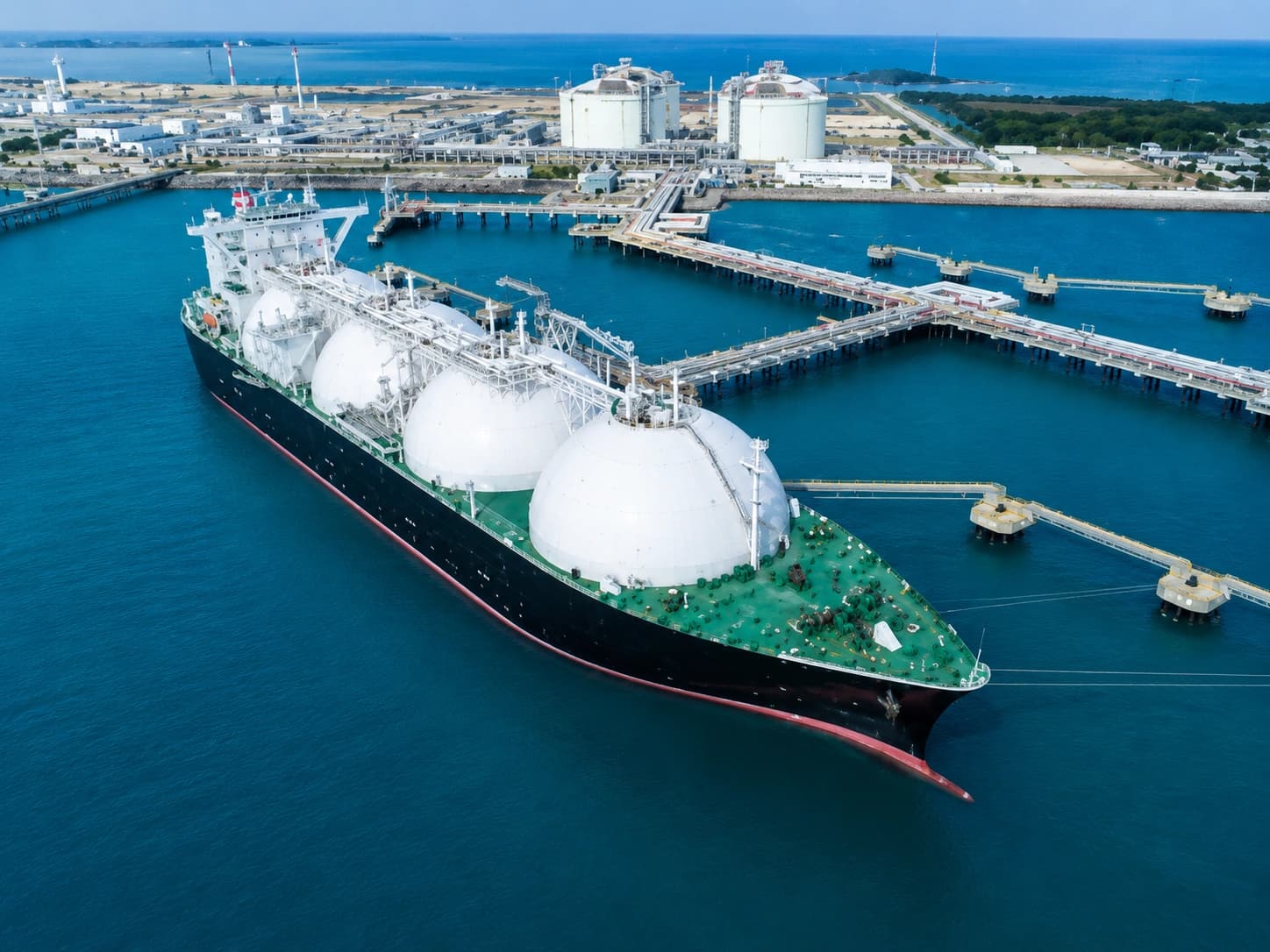
KARACHI: Pakistan was successful in obtaining a notable benefit regarding its payments on LNG terminal capacity on Thursday through negotiations with the two private terminal operators Engro Elengy Terminal Pakistan Limited and Pakistan GasPort Consortium Limited. The benefit comes after the declaration of force majeure by Qatar on LNG supplies following regional conflict, which placed Pakistan under an obligation to make nearly $15 million worth of payments per month in order to compensate for capacity utilization of terminal capacity.
Both parties signed agreements, giving them some concessions in the fixed dollar-denominated costs. It was agreed to be an exceptional move for the greater good of the country.
Understanding Why Pakistan Was Paying $15 Million Per Month in Voids
Pakistan's problem with its huge costs for capacity payment can be better understood by studying the details of how its contracts were structured. According to the current 15-year contracts, Pakistan is expected to pay around $538,535 every day irrespective of whether there are any cargos arriving at the LNG facilities or not. In other words, these companies were receiving close to $15 million in capacity and utilization payments each month without any gas supply.
Pakistan got into a very tough contractual situation when Qatar declared force majeure owing to the war on the LNG supply. Pakistan became liable to pay the full amount as costs of its idle terminals since the gas for which the terminals were supposed to be used was not coming from the source.
What Each Operator Agreed to Concede
There are two types of concession that were made in regards to payment in relation to capacity utilization by each company. Pakistan GasPort offered to offer financial backing for 34 days while there were no supplies of the gas. In the meantime, Engro Elengy offered the same for 39 days.
No monetary amount was shared by either of the two operators for the concession. It is clear that the deal is not an amendment to the existing 15-year agreement but just a commercial adjustment once in the course of business operations. Sui Southern Gas Company and Pakistan LNG Limited, being the state organizations involved in the agreement, gave their consent for the same.
Initial Exploration of Legal Option of Force Majeure by Government
The path followed by the government to seek financial relief for terminal capacity payments was not an easy one. According to top government officials, the government considered exploring the legal way out through the option of force majeure declared by Qatar.
However, after a comprehensive study of the contracts, the conclusion was drawn that terminal operators were still entitled to get their complete payments even in the case of disruptions in supply, which put an end to the legal path. The Petroleum Minister at that time, Ali Pervaiz Malik, had already expressed his reservations over the contractual agreement because he believed that there should be no capacity payment in force majeure conditions. Therefore, having blocked the legal way, the government started seeking an alternative approach through negotiations.
ALSO READ: Pakistan Qatar LNG Cargo Arrives Twice in Three Days
Investment Proposition for Pakistan GasPort and Performance Review
The investment proposition of Pakistan GasPort was stated by the firm on the occasion of the Thursday's announcement in which it highlighted its performance since it began operation back in January 2018. So far, it has processed 367 cargo shipments of LNG through its terminal.
Pakistan GasPort Terminal is an investment worth almost half a billion dollars made jointly by Pakistan GasPort, BW Group, and Fauji Oil Terminal and Distribution Company Limited. This terminal utilizes BW Integrity Floating Storage and Regasification Unit that is co-owned by BW Group and Mitsui & Co. Its storage capacity stands at 170,000 cubic meters while its maximum regasification capacity can reach 750 million cubic feet per day.
The Real Significance of the Relief to Pakistan
The temporary waiver on the payment of LNG terminal fee represents a one-time relief that is both immediate and restricted. Pakistan benefited by not paying the daily costs during the period of 73 days when there was no LNG flow, thereby resulting in savings amounting to millions of dollars.
Even more important, the negotiations reveal that privately operated LNG terminals are prepared to do business when national considerations necessitate some flexibility – an experience that might prove helpful should regional tensions persist, causing continued disruption to LNG transportation and additional discussions on capacity payments, which neither side foresaw at the time of signing their respective 15-year contracts.



Leave a Reply
Your email address will not be published. Required fields are marked *