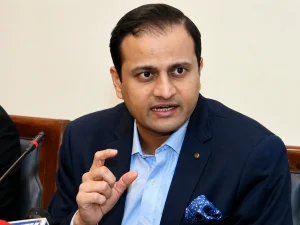


KARACHI: The mayor, Barrister Murtaza Wahab, provides each registered water tanker with a unique barcode. This makes it easier for people to know about the identity of the driver, the route the vehicle follows, its water source, and the fitness level of the vehicle.
The fight that Karachi has waged for many years with its unlawful water tanker mafia gang is now being waged through technology. According to an announcement made by the mayor of Karachi Barrister Murtaza Wahab on Saturday, a new bar-code identification and monitoring system is now operational for all registered water tankers in the city.
- Driver identity and photograph: Confirms the person delivering the water matches the registered operator.
- Designated route: Verifies the tanker operates within its authorised delivery area.
- Fitness status: Confirms the vehicle meets roadworthiness and sanitation standards.
- Water source: Identifies where the tanker sourced its water — a key check against contaminated or stolen supply.
- Registration status: Distinguishes legal from illegal tankers instantly.
Karachi water tanker barcode system explained
There is a unique barcode attached to each tanker registered within the city of Karachi. Once scanned, you get information from five major categories which have been confirmed about the tanker as well as its owner. This helps make your phone a verification device for you.
Why did this intervention become necessary in the Karachi water tanker industry
Karachi water tanker bar coding was aimed at the industry which had functioned in an unaccountable manner for a long time now. The unregistered water tankers have been exploiting the difference between the formal water supply network of the city, which is reaching only fewer people every day, and the huge demand for water deliveries in thousands of neighborhoods in the city.
It was such a disparity which led to the possibility of price manipulation, selling of tainted water, and violation of routes in the water delivery process which registered water operators as well as customers were suffering from. Wahab termed this illegal water tanker mafia as a major problem in Karachi’s water distribution industry.
ALSO READ: Pakistan Approves 435-km White Oil Pipeline Linking Karachi to Peshawar
Involvement of citizens in the enforcement mechanism
The design of the mechanism is dependent on the participation of the citizens in it. In the case study by Wahab, he asked the citizens to check the barcode of the tanker that was bringing water to their homes and report any suspicious tanker or one that does not have a barcode. The involvement of citizens expands the enforcement mechanism’s coverage way beyond what can be done through the efforts of the city inspection team only.
Involvement of citizens in the enforcement mechanism
The design of the mechanism is dependent on the participation of the citizens in it. In the case study by Wahab, he asked the citizens to check the barcode of the tanker that was bringing water to their homes and report any suspicious tanker or one that does not have a barcode. The involvement of citizens expands the enforcement mechanism’s coverage way beyond what can be done through the efforts of the city inspection team only.

Nayab Fatima is a media professional specializing in fact-based journalism, research, and analytical reporting on technology, telecom, aviation, and automobiles.