
New Mitsubishi Pajero Debuts With 480Nm Diesel, Pakistan Launch Awaited
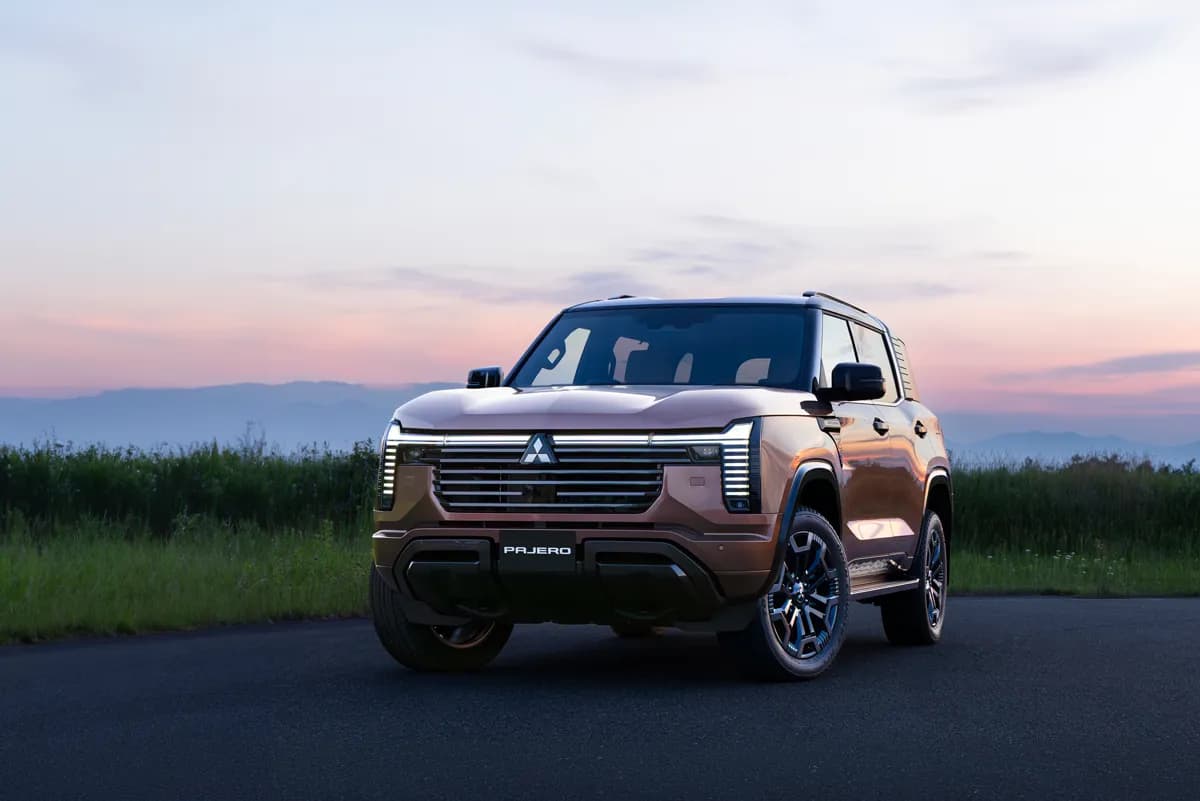
The New Mitsubishi Pajero has resurrected one of the most emotionally loaded nameplates in Pakistan's automotive history. And somewhere in Lahore, Karachi, Islamabad, a generation of buyers who grew up watching the Pajero conquer sand dunes and mountain passes is about to feel a familiar ache. The car is back. Pakistan almost certainly isn't invited to the party. Not yet, anyway.
Mitsubishi shelved this nameplate nearly two decades ago, after the fourth generation quietly exited global markets. Four generations, 3.29 million units sold, a presence in over 170 countries. That history is exactly why the badge still carries weight decades after Mitsubishi effectively walked away from Pakistan's passenger car business.
What the new Pajero actually is
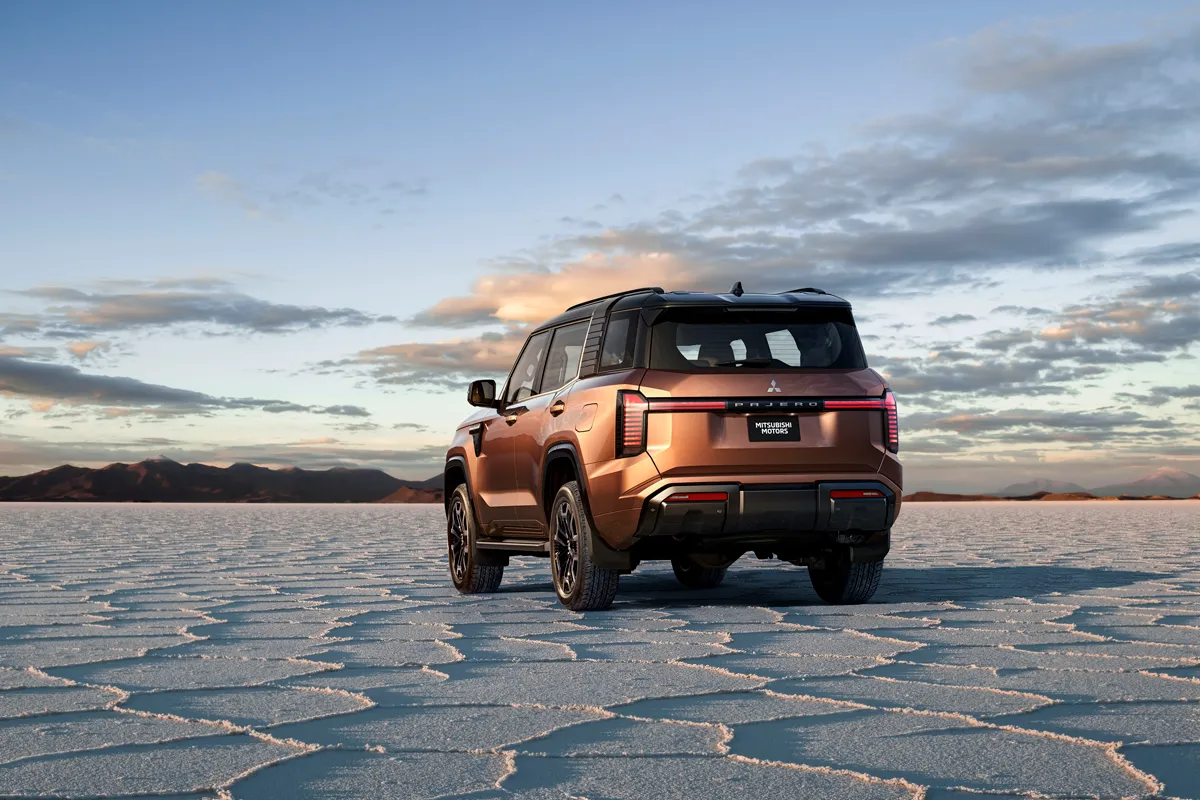
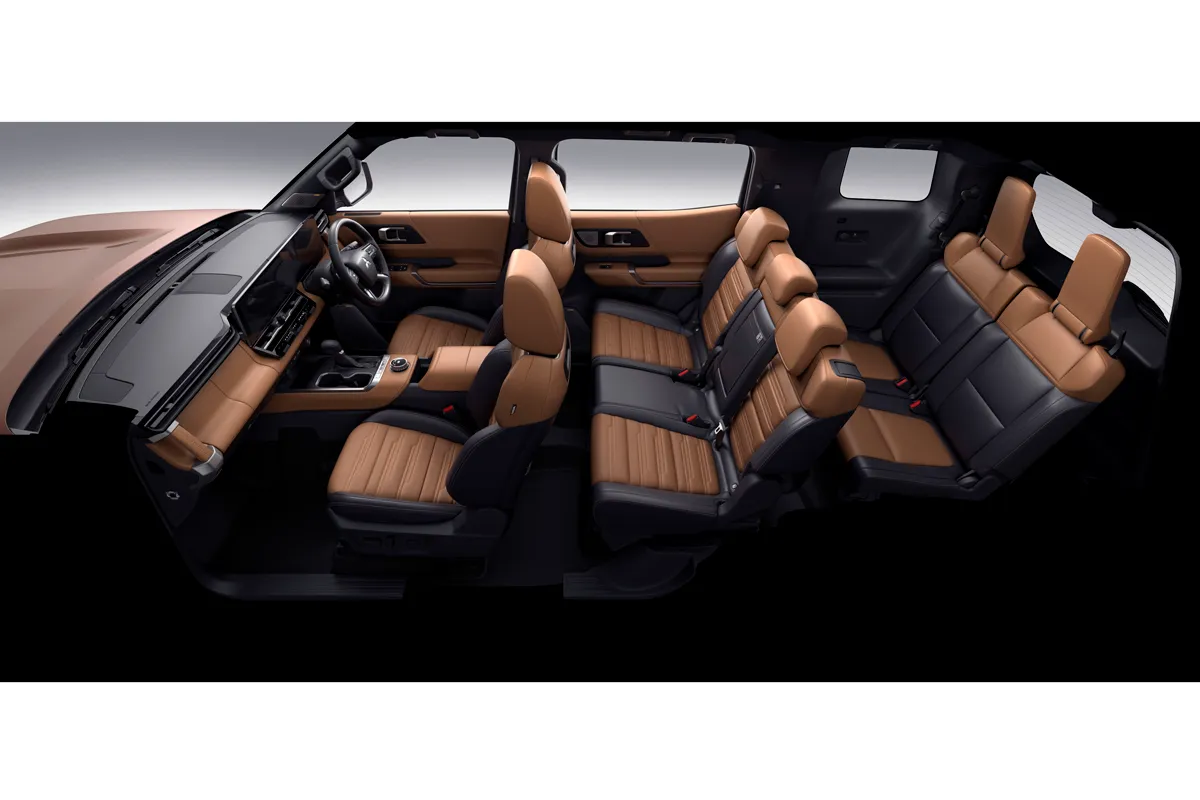
This isn't a soft-roader wearing a nostalgic badge. Ladder-frame chassis. Heavy borrowing from the Triton pickup's platform. A 2.4-litre diesel producing 480 Nm of torque numbers that matter to anyone who remembers the Pajero's Dakar Rally record, 12 wins including seven straight. Seven seats. Proper 4WD hardware. Mitsubishi calls it the brand's new flagship, not some mid-tier trim exercise.
Also Read: Pakistan's Favorite Off-Roader Returns as Mitsubishi Confirms Pajero Comeback
The design leans hard into heritage, and Mitsubishi has a name for the theme: "Grand Charisma." T-shaped headlights up front. A C-pillar that nods to the roll-bar styling of the very first Pajero. A hexagonal rear element inspired by the externally mounted spare wheel older buyers will recognize instantly. Two standout paint options Armor Copper Metallic, Phantom Blue Metallic round out the pitch.
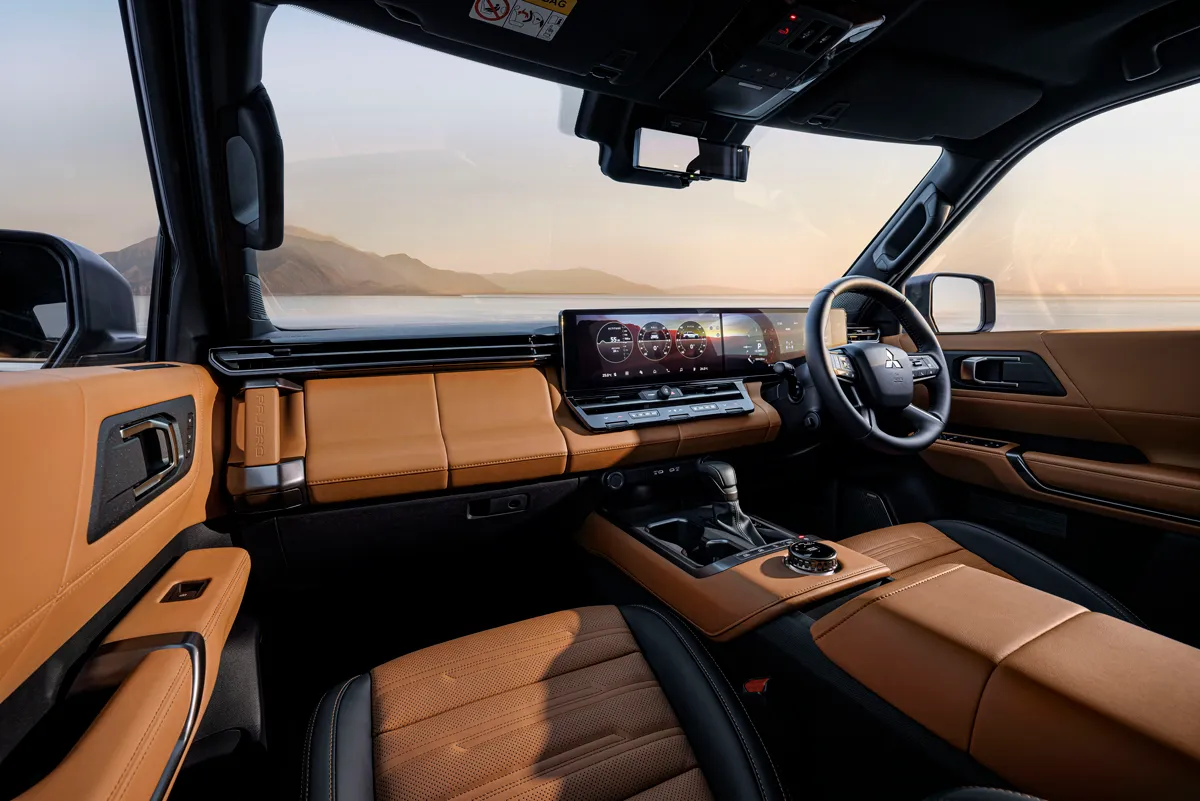
Size-wise it's substantial: 4,920 mm long, 1,925 mm wide, 1,910 mm tall, a 2,870 mm wheelbase, 230 mm ground clearance. Off-road geometry comes in at 30.4 degrees approach, 22.6 degrees breakover, 25.8 degrees departure. Weight distribution sits at 52:48 front-to-rear the kind of detail that signals real engineering attention, not just a spec sheet built for marketing.
The rollout plan and why Pakistan isn't on it
Thailand goes first. Manufacturing base, first sales market, both. Japan and Australia follow within Mitsubishi's current fiscal year. The real expansion ASEAN, Latin America, the Middle East — doesn't start until FY2027, when Mitsubishi says it wants the Pajero in roughly 100 countries. Pakistan's name doesn't show up anywhere in that language. That omission matters more here than it would in most places.
Here's why. Mitsubishi's relationship with Pakistan has been rocky, and for years now, basically nonexistent. Dewan Mushtaq Motor Company imported and sold Mitsubishi vehicles here through the 2000s Lancer, Galant, and yes, the Pajero and built genuine brand loyalty before weak after-sales support and steep pricing pushed the brand toward irrelevance. There's no active Mitsubishi passenger car assembly in Pakistan today. No authorized distribution network either. Dewan Farooque Motors, once tied to the Dewan Group's car ambitions, assembles Hyundai and Kia now. Whatever Mitsubishi wants for South Asia, Pakistan sits outside that conversation right now.
So how would Pakistanis actually get one?
Same channel that's kept the Pajero name alive here for years used and imported units, brought in individually, not through any dealer network. Pakistan's import rules already permit personal imports of used Japanese vehicles under specific age and duty conditions, and older Pajero generations already circulate in the grey market, sometimes commanding tens of millions of rupees depending on condition and import route. Expect the same pattern here, once Japanese-market units start reaching used-export channels. That's likely a year or more out from the Thailand and Japan launches, not something arriving next month.
An official local launch needs one of two things to happen. Either Mitsubishi decides Pakistan belongs in its FY2027 ASEAN and Middle East push, or a local assembler strikes a fresh technical partnership the way Dewan Mushtaq once did. Neither looks close. Pakistan's SUV buyers have moved hard toward Chinese entrants and Toyota's locally assembled lineup since Mitsubishi's exit, and clawing back into that market would demand exactly the kind of aftersales investment that sank the brand here the first time around.
What this means for Pakistani buyers right now
For now, this is a story to watch, not a car to shop for. Enthusiasts with the means and patience for import paperwork will likely be the first Pakistanis behind the wheel probably sometime in 2027, once Japanese-spec units enter the used-export pipeline. Everyone else watches from a distance as Mitsubishi rebuilds a legend that once meant something very specific on Pakistani roads, and waits to see whether the brand's renewed global ambition ever circles back to a market it left behind.

Leave a Reply
Your email address will not be published. Required fields are marked *