
Nishat Takes Control of Pakgen Without Buying a Single Share
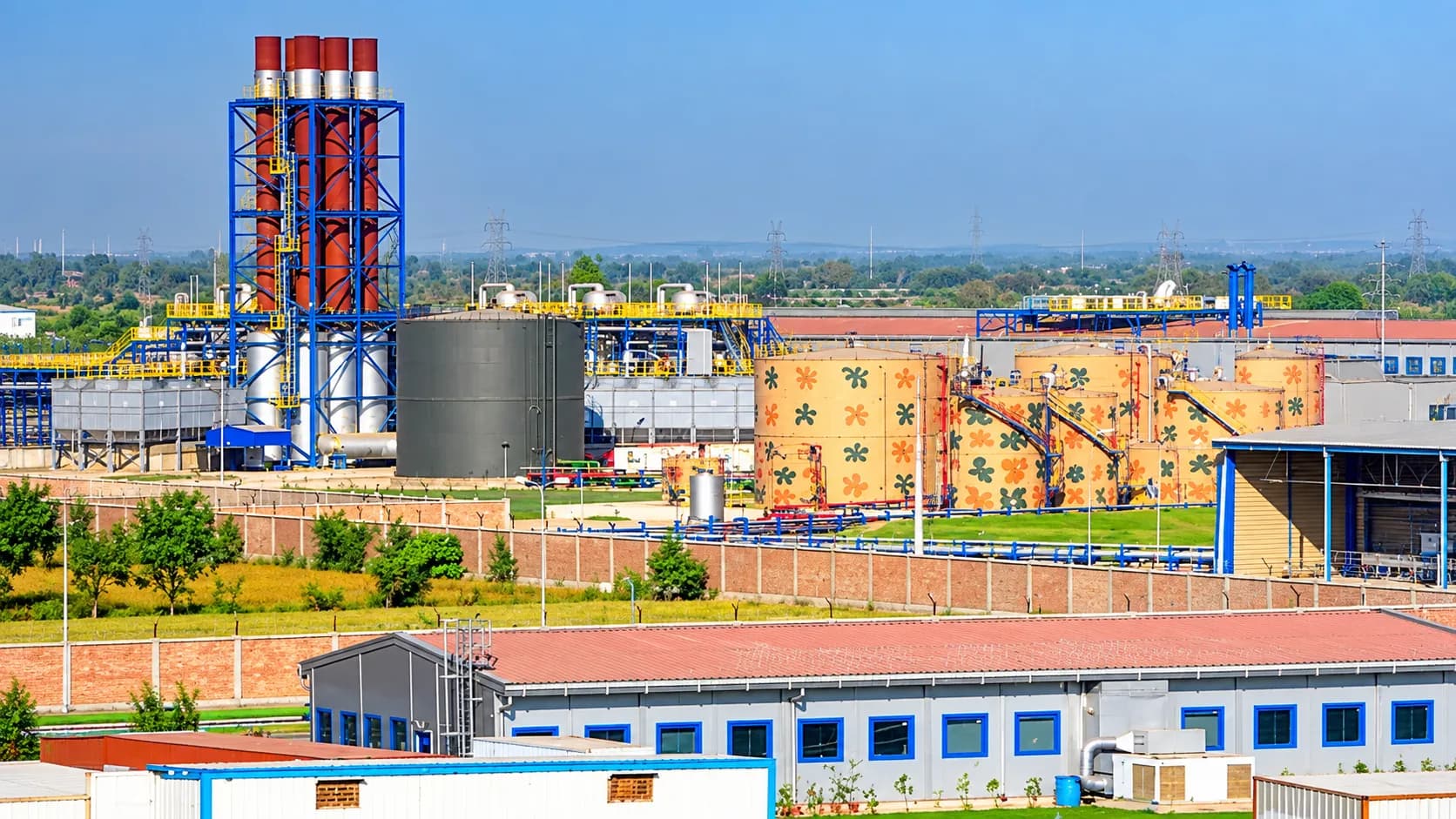
LAHORE: Nishat Mills Ltd took control of Pakgen Ltd in the year to June without buying a single new share. The unusual deal helped lift Nishat Mills profit sharply at group level, even as its core textile business earned less.
Pakgen, the former owner of a 365 MW fuel-fired power plant, bought back and cancelled 179.93 million of its own shares from shareholders other than Nishat. That lifted Nishat's holding to 58.57% from 30.25% and turned Pakgen into a subsidiary, Nishat said in its annual report for 2026.
Pakgen's buyback handed Nishat a bargain purchase gain of Rs5.45 billion. Nishat valued Pakgen's net assets at Rs17.18 billion, well above the Rs11.73 billion it assigned to its old stake plus the minority interest. Pakgen held Rs12.02 billion in short-term investments when Nishat took control.
The gain came with a cost on the other side of the ledger. Nishat booked a Rs3.11 billion loss when it stopped treating Pakgen as an associate, which left a net benefit of about Rs2.34 billion.
Lalpir Ltd made the same kind of move. It bought back and cancelled 100 million shares, which raised Nishat's stake to 39.27% from 28.93%, again without any new purchase.
Group profit jumps, textile profit slips
Consolidated profit after tax rose to Rs15.62 billion from Rs4.74 billion. Earnings attributable to Nishat shareholders climbed to Rs14.44 billion, or Rs41.08 a share, from Rs5.10 billion, or Rs14.51.
The comparison flatters the jump. In FY25, the group took a Rs3.85 billion hit on balances payable by the Central Power Purchasing Agency, and that charge did not recur. Its share of associates' profits also rose to Rs7.50 billion from Rs1.76 billion.
Also Read: Nishat Mills Unveils 20MW Solar, 35MWh Battery to Cut Costs
The textile company told a different story. Standalone profit fell 9% to Rs5.48 billion, and earnings per share dropped to Rs15.59 from Rs17.10.
Revenue hit a record Rs181.65 billion, up 1.95%. Export revenue rose to $355.14 million from $343.46 million. Rising costs ate the growth, though. Gross profit fell 11.4% to Rs17.74 billion, and gross margin narrowed to 9.76% from 11.24%.
The directors blamed weak global demand, high raw material prices and rising production costs. Dividend income from the company's investment portfolio also dropped to Rs4.62 billion from Rs7.50 billion.
Lower borrowing costs softened the blow. Finance cost fell 24.4% to Rs6.38 billion. A deferred tax credit of Rs1.52 billion turned the tax line into a Rs730 million credit, against a Rs2.65 billion charge a year earlier. The board kept the cash dividend at Rs2 a share.
Winners and losers inside the mill
Dyeing division sales fell 20.4%, and the company cited weak export demand and higher energy and freight costs. Garment sales grew 20.69%, but margins thinned in the second half. Denim recorded what the directors called "remarkable" growth, and Nishat plans to add capacity. The workwear unit doubled its revenue in its second year.
Also Read: Nishat Group Acquires Controlling Stake in Rafhan Maize Products
Pakistan's textile exports barely moved, rising 0.26% to $17.93 billion, according to the report. A 45% shortfall in the cotton crop forced mills to import expensive fibre.
Pakgen leaves the power business
Pakgen has abandoned power generation. Its shareholders approved a new business plan in April. The company dropped "Power" from its name, classified its plant and machinery as held for sale, and now plans to invest in shares, bonds and other securities.
Nishat is also cutting back elsewhere. In August its board approved selling its entire stake in Nishat Sutas Dairy to Turkish partner Sütaş at Rs5 a share, and shareholders endorsed the sale on September 23.
The company now has 41.61 MW of solar capacity, with another 4.21 MW under installation. It plans a 20 MWp solar plant with battery storage at Ferozewatwan and Bhikhi.
Leave a Reply
Your email address will not be published. Required fields are marked *