
Pakistan Eyes $100B Export Boom by 2030: Ahsan Iqbal

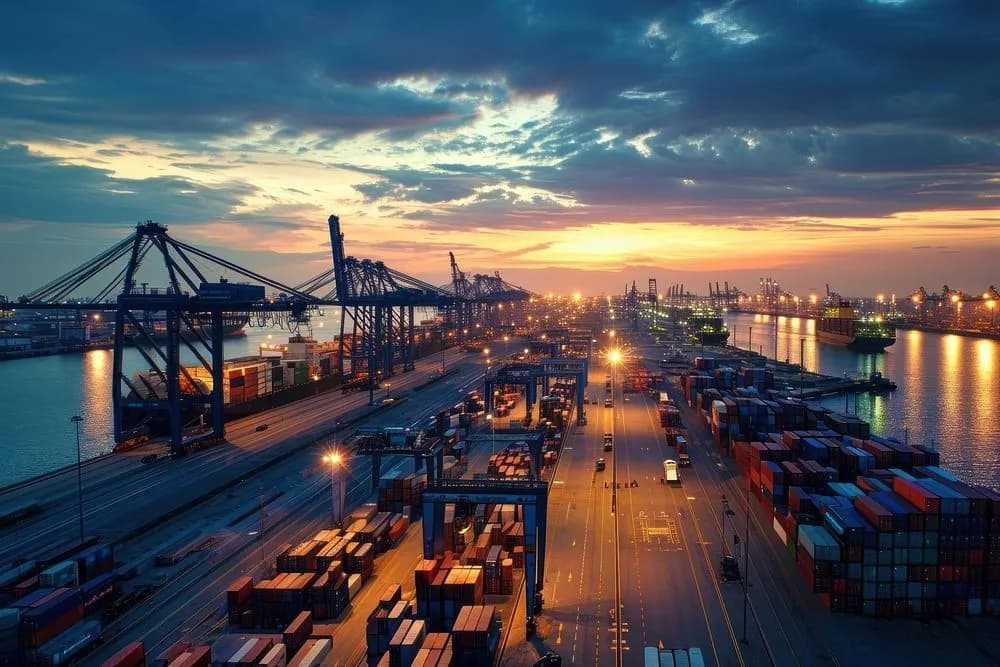
Pakistan exports by 2030 have become the government’s biggest economic mission as Planning Minister Ahsan Iqbal called for the country to raise exports to $100 billion within the next five years.
LAHORE: Pakistan and Vietnam exported similar amounts 25 years ago. Vietnam exports goods worth $480 billion annually today. Pakistan? Still stuck at $40 billion. Federal Minister for Planning Ahsan Iqbal dropped that number like a hammer Saturday at the South Asian Federation of Accountants conference in Lahore and he was not done.
"Exports must reach $100 billion by 2030," he told the room. Not as a target. As a national mission. The same category, he said, as going nuclear.
The Diagnosis Is Brutal
Pakistan has no real export culture. That was Iqbal's blunt assessment. Not a weak one. Not an underdeveloped one. None. Sialkot makes world-class cutlery. Gujranwala builds fans that sell across Asia. The mangoes, dates, chillies, handicrafts, and livestock products from Pakistan are waiting on the fringe of an enormous global market demand. et the country cannot package, brand or certify its way into the markets that actually pay. That is not a resource problem. That is a discipline problem.
Also Read: Pakistan Eyes Dubai-Style Used Car Export Hub Under New Auto Policy 2026-31
There is no quick fix. Pakistan will require 10 to 15 years of hard work in reforms, says Ahsan Iqbal. The private sector must lead. The government's only job is to get out of the way, facilitate and stop politicising everything in sight. He took a direct shot at the handling of CPEC, saying Chinese interest in Pakistan remained strong but domestic politics repeatedly squandered the opportunities the corridor created.
Dar Adds the Diplomatic Layer
Deputy Prime Minister Ishaq Dar used a milder approach. He talked about the importance of transparency, digital revolution in accounting, and Pakistan’s steps towards regional peace and economic collaboration. He expressed appreciation for the Institute of Cost and Management Accountants Pakistan on account of their seventy-five years of service to society.
It was Ahsan Iqbal who made the sting of urgency and the Vietnam analogy resonate well beyond the conference itself.
The Real Lesson Nobody Wants to Hear
China grew. Vietnam grew. Both did it the same way policy continuity, export focus, foreign investment, industrial discipline. No shortcuts. No U-turns. No five-year cycles of policy reversal every time a new government walks in.
Iqbal pointed to Pakistan's armed forces as proof the country knows how to be disciplined when it decides to be. During last year's "Marka-e-Haq," he said, the military operated with extraordinary coordination and professionalism. Civilian institutions, he argued, need to find that same gear.
Pakistan has the products. It has the people. What it has consistently lacked is the will to stay the course long enough for any of it to matter. At $40 billion in exports, the clock is already running.


Leave a Reply
Your email address will not be published. Required fields are marked *