
Pakistan Inflation Hits 10.9% in April
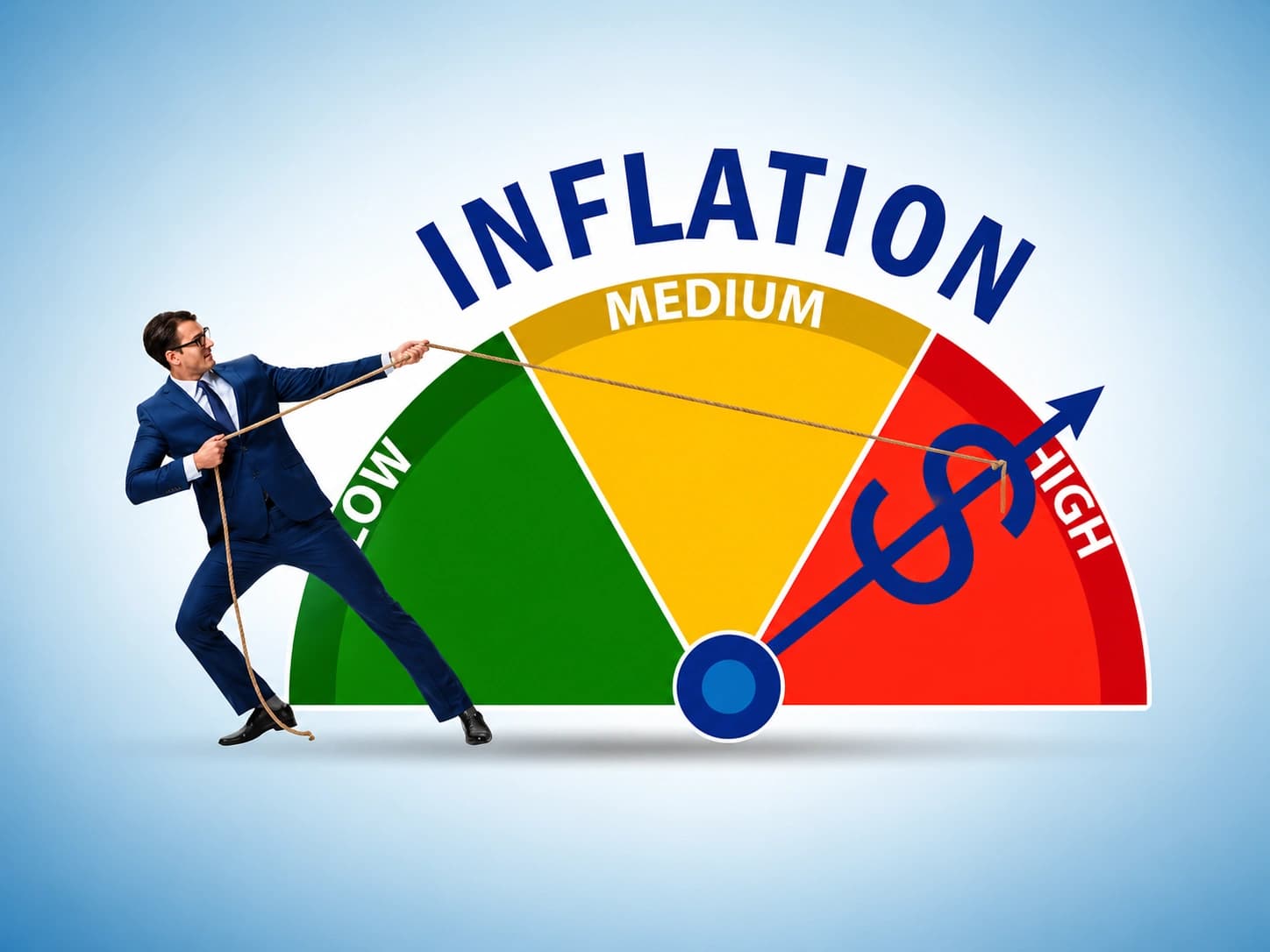
ISLAMABAD: Inflation has increased drastically in Pakistan reaching a mark of 10.9% in April. The inflation rate in Pakistan reached one of the highest levels in recent months, causing great economic strain for many families in Pakistan. The increase in prices was caused by the higher cost of food, fuel, and transportation, making life more expensive for people. Recent statistics indicate that the situation regarding the cost of living in Pakistan will remain difficult for some time to come.
Increases are Sharpest in Urban Areas
In Pakistan, inflation had a more severe impact on urban centers compared to rural centers, as the annual inflation rate exceeded 11% in urban centers by the month of April. The price level was higher in large urban centers such as Karachi, Lahore, and Islamabad than in rural areas.
It is the middle class and lower classes living in cities who are the hardest hit. The middle and lower classes have a tendency to spend a higher proportion of their income on food and fuel, and it just so happens that both these industries have seen some of the largest and fastest increases in prices recently. With rising prices cutting into everyone’s purchasing power, middle-class and lower-class citizens in cities are cutting down on unnecessary spending.
Inflation Rate Rises to 13.6% at Wholesaler Level
The effects of inflation can also be observed beyond consumer prices. Pakistan inflation rose to 13.6% in the month of April at the wholesaler level, indicating rising costs within the manufacturing and distribution processes. Wholesale prices change cause an immediate increase in retail prices since the producers and distributors tend to shift their increased production costs to the consumers.
However, analysts have noted that if wholesale inflation remains high for an extended period of time, then it is almost certain that retail inflation will follow soon. Consumers will remain under pressure to see prices rise higher still unless the costs involved ease due to falling commodity prices globally, a strong rupee, or lower electricity rates.
Increase in Food, Energy, and Transportation Fuels the Boom
Three broad classifications account for Pakistan’s inflation situation in April. Prices for foodstuffs kept going up due to price rises for cooking oil, flour, vegetables, and dairy products. The global commodities markets, inefficiencies in logistics, and a weak local currency have all been reasons behind high food prices.
Energy cost changes make up the second factor. Price hikes for electricity, for gas, and due to the increase in prices for fuels globally have all contributed to an increase in inflation relating to energy. Increases in energy prices add to the cost of living for individuals as well as the cost of production for businesses at once.
The final of the three main inflation factors is transportation costs. Fuel costs contribute to increased costs for transport, shipping, and logistics throughout the economy. The inflation from transportation costs spreads out, increasing the price of moving goods from producers to consumers through markets.
ALSO READ: Pakistan’s Military Spending Jumps to $11.9bn After 2025 War — India Hits $92bn
Economists Raise Alarm about Bigger Economic Effects
Economic commentators have taken note of the recent inflation figures released by Pakistan in April. Their alarm stems from the fear that if the level of inflation persists, it may affect consumer expenditure as people will focus more on buying necessities while curbing discretionary spending. Lowered consumer expenditure can hurt the overall growth of the economy at a time when Pakistan requires steady economic growth to reach its development objectives.
However, policy makers should take into account the need for swift and coordinated policy measures in order to control inflation in Pakistan. It is important for policy makers to emphasize price stability policies in the last few months of the fiscal year to ensure the buying capacity of families and address cost-related problems within the food and energy chains.




Leave a Reply
Your email address will not be published. Required fields are marked *