



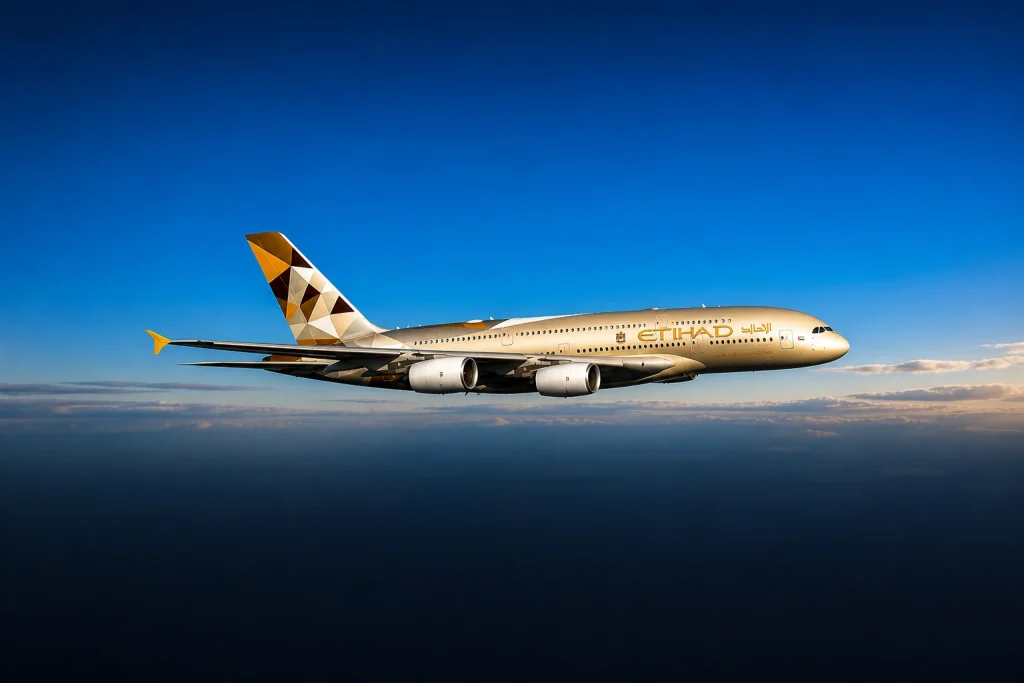
ABU DHABI: Etihad fires Pakistanis in a sudden move that has sent shockwaves across the expatriate community in the UAE, after 15 employees were dismissed and given just 48 hours to leave the country. The abrupt decision, carried out without standard corporate procedures, has raised serious concerns about job security and Pakistan’s standing in the Gulf.
Why Etihad Fires Pakistanis Without Warning
When companies downsize, they follow procedures notice periods, settlement negotiations, documentation. What happened here skipped all of that. The 15 employees, most of them highly skilled aviation specialists, scrambled to settle their finances, arrange travel, and plan their next steps within just 48 hours.
That kind of speed signals something. Workforce restructuring doesn’t come with immigration escorts and two-day countdowns. Something else drove this decision, and Etihad Airways hasn’t said what. The airline has offered zero public explanation. No statement, no context, no clarity. That silence, analysts argue, is itself revealing.
The Diplomatic Reading Nobody Wants to Say Out Loud
Observers quoted by CNN-News18 aren’t treating this as a labour dispute. They’re reading it as a diplomatic signal a deliberate demonstration of how Abu Dhabi currently views Islamabad. UAE-Pakistan relations have grown visibly colder over the past two years. The escalating national debt burden, the swinging foreign policy allegiances, and the periodic recourse to the IMF have compromised Pakistan’s reputation among its Gulf counterparts, who had shown willingness to offer handsome loans and investments. The UAE, in particular, is discreetly withdrawing from promises that were made to Pakistan during its last economic crisis. Firing 15 workers isn’t a policy shift. Doing it the way Etihad did fast, opaque, and with government coordination looks like one.
Also Read: South Air Gets AOC Approval, Prepares to Launch New Flights in Pakistan
What This Costs Pakistan Beyond the Headlines
Pakistan’s overseas workforce sends home roughly $27 billion annually. Gulf nations account for the lion’s share of that. Any signal that Pakistani workers face a more hostile environment in the UAE carries direct economic consequences reduced remittances, discouraged migration, and lost household incomes for families already stretched thin. Beyond the money, there’s a leverage problem. Currently, the Gulf is much more needed by Pakistan than vice versa, which means that Islamabad does not have much scope to protest or react when incidents such as these occur.
The 15 people who boarded flights home this week probably didn’t think of themselves as a diplomatic message. But in Abu Dhabi, somebody sent one.

Focus Pakistan is an independent digital news and media platform dedicated to delivering credible, insightful, and impactful journalism across Pakistan and beyond. The publication covers a broad range of sectors including business, economy, technology, telecommunications, aviation, automotive, infrastructure, energy, tourism, public policy, and national affairs.
Committed to accuracy, transparency, and editorial integrity, Focus Pakistan combines breaking news coverage with in-depth analysis, feature stories, expert commentary, and research-based reporting. The platform aims to provide readers with timely, factual, and balanced information while promoting informed public discourse and responsible journalism.
Through its commitment to high editorial standards, Focus Pakistan strives to be a trusted source of news and analysis for policymakers, business leaders, industry professionals, and the general public.