
Government Unveils Comprehensive Roadmap for Interest-Free Financial System
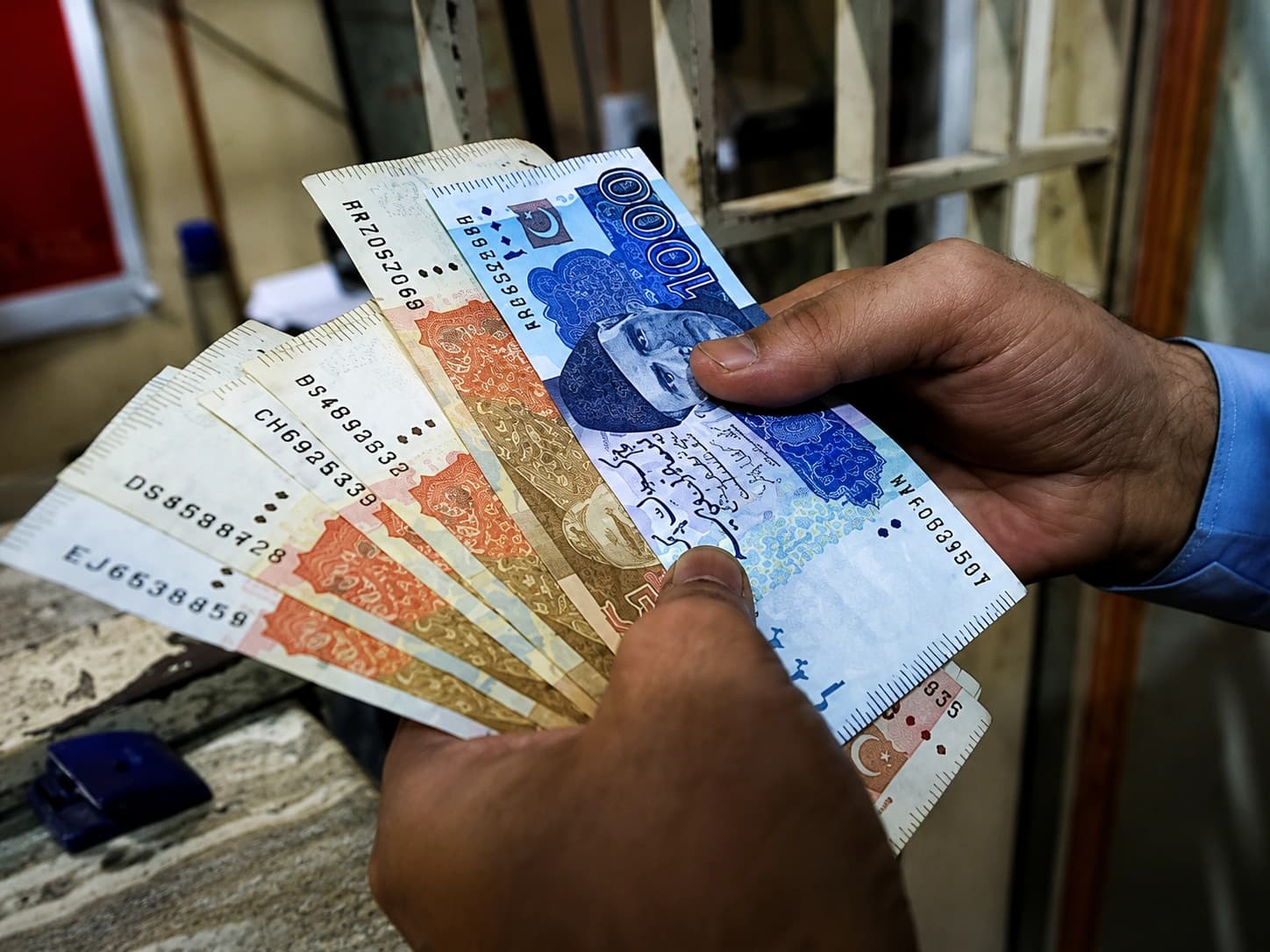
A court decision made in 2022 kicked off the countdown process. A constitutional amendment followed suit. The government has now laid out a comprehensive plan to rid Pakistan’s economy of interest, but the hard part is just getting started.
A Strategy Formulated Over Three Years
The government of Pakistan has come up with the most significant document regarding financial policies that Pakistan has ever seen. In this regard, the Ministry of Finance has issued the strategy that details the transition of Pakistan towards a Pakistan interest-free financial system in phases and in such a manner that there is no financial instability at any point of time during the process.
Where the Source of This Obligation Lies
In this case, the Pakistani interest-free financial system strategy cannot be seen as a concept that floats in isolation in the political domain. The government has deliberately put this move into the context of two different legal compulsions, which have made it increasingly difficult for the government to ignore its responsibilities.
The Federal Sharia Court delivered an unprecedented verdict in 2022 in favor of taking interest out of Pakistan's financial system. This legal decision has already passed several tests and has legally compelled the state to introduce the reforms. Later, the 26th Amendment to the constitution was adopted, which made the legal expectation regarding Islamization of the financial system stricter.
ALSO READ: Pakistan’s National Data Governance Policy 2026 Sets New Rules for AI, Privacy and Data Sovereignty
Largest Challenge – Conversion of Existing Government Debt
The Ministry of Finance has openly stated the area which will require the most effort to be completed. The conversion of existing government debt into Sharia compliant financial instruments has been identified as being the largest challenge facing the interest free financial system of Pakistan.
Currently, there is a huge amount of internal and external government debt outstanding in Pakistan, most of which has been issued through the use of traditional interest bearing instruments such as treasury bills and Pakistan investment bonds. The conversion of this huge volume of government debt to sukuk and other Islamic financial instruments is a massive undertaking.
The interest-free financial system framework of Pakistan relies heavily on sukuk as the main instrument of substituting conventional instruments used in government financing. The types of sukuk include asset-back sukuk, lease-based sukuk, and equity-based sukuk, all of which have one thing in common: the earning of profits by means of sharing profit or rent, or appreciation of the underlying assets.
What the Phased Approach Really Signifies
The focus of the Pakistani government on a phased introduction of the financial system in Pakistan is a legitimate concern in terms of financial stability. Nations which have undertaken a quick and untidy financial system conversion have had to suffer from economic disruptions such as credit crunch, capital flight, investor uncertainties, and pressure from ratings agencies.
An Authentic Test of Institutional Competence
The Islamic financial institution system strategy in Pakistan can be regarded as a true and elaborate commitment towards the transformation which most of the Muslim majority nations have either totally neglected or partially tried to implement. The convergence of the court-ordered duty, constitutional support, and government strategy document is greater institutional force behind this transformation than in any previous case in Pakistan.






Leave a Reply
Your email address will not be published. Required fields are marked *