
Pakistan Orders Mineral Security Corridor in Balochistan Amid Security Concerns
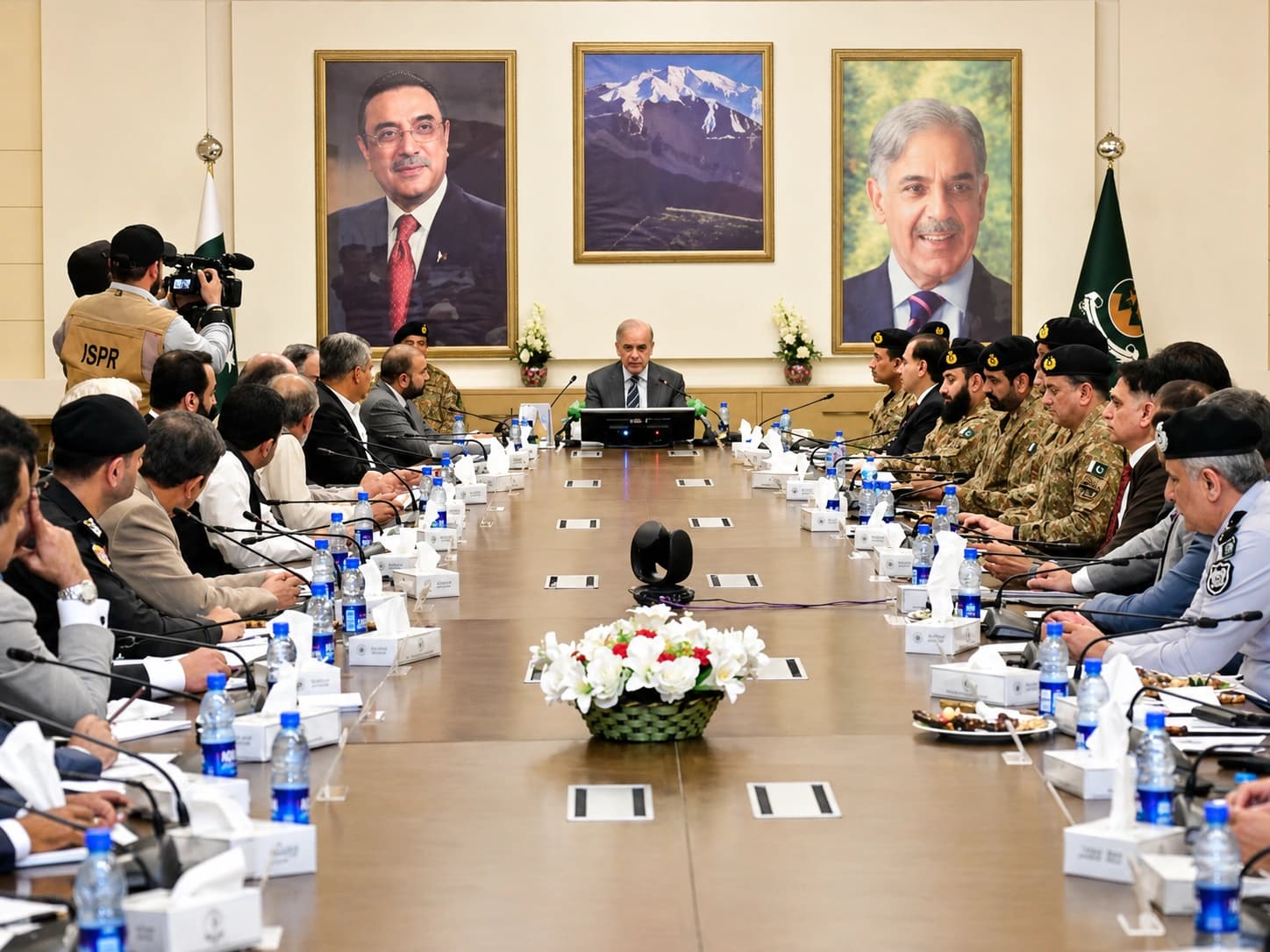
QUETTA: The riches that Pakistan holds have been left open for exploitation. However, the government of Pakistan has recently taken action by deploying the Frontier Corps (FC) troops to the province of Rakhshan in Baluchistan to ensure the formation of a mineral security corridor, something that many believe was long overdue.
A security loophole that Islamabad could not afford to overlook
This was held at a Provincial Apex Committee meeting according to the NAP in Quetta. Field Marshal Syed Asim Munir, who is Chief of Army Staff, and Mir Sarfraz Bugti, Balochistan’s Chief Minister, were both present at this meeting. The importance of this meeting highlights the extent to which the threat has become serious for mining infrastructure and investors.
The proposed mineral security corridor will incorporate more FC wings, road checkpoints, enhanced surveillance network, and fortified border posts at strategic locations. As per the experts, the area of Rakhshan, which includes parts of the districts of Chagai, Kharan, and Washuk, contains huge deposits of unexploited mineral wealth like copper, gold, and coal, and is counted among the largest such sites in the world. This can tempt terrorists to destabilize the region.
The declaration by the prime minister highlights the increasing level of tension that is felt within government quarters.Several mining firms around the world have had complaints concerning the conditions that should prevail while conducting mining operations in the area. Without the creation of a mineral security corridor, the minerals valued at one trillion dollars would still remain underground.
Technology and training: The two pillars that were overlooked
It should be noted that Shehbaz pointed out the need for incorporating technology into the security framework, along with giving the law enforcement personnel state-of-the-art training in conjunction with the presence of security forces in the area. In other words, there is an underlying issue with respect to the equipment and technology utilized by security forces in Baluchistan.
Developments notwithstanding, vulnerabilities continue to persist
The Apex Committee got information on various developments, such as no case of polio in November 2024, 99% of schools operating, a solar energy initiative set to help more than 15,000 households, and savings amounting to Rs105 billion from electricity costs. Among other developments are cancer, dialysis, and trauma hospitals.
Nevertheless, the benefits of this development are built on a very shaky foundation. ‘Operation Ghazab Lil Haq,’ which focuses on combating terrorism emanating from terrorist organizations located within the borders of Afghanistan, is still ongoing. This shows that the kind of security climate required for mineral investments in Balochistan has yet to be achieved.
ALSO READ: Pakistan Sends 8,000 Troops and JF-17 Fighter Jets to Saudi Arabia Under Secret Defence Pact
Command and Staff College highlights importance of military diplomacy
During his subsequent stay in Quetta, the prime minister attended a session with faculty and student officers at the Command and Staff College. There he reiterated the resolve of Pakistan to safeguard its sovereignty. He commended the armed forces on their achievements, terming them Marka-e-Haq and describing Pakistan as a "net regional stabilizer." It was especially important to note that there were officers of friendly nations present there.
What must be delivered by this corridor of mineral security
The request of a mineral security corridor may be easy enough, but maintaining it is quite another matter. Past experiences by Pakistan in Balochistan have revealed that security measures alone, without the requisite political settlement of issues and involvement of local people, can result in only temporary stability, at best. To ensure that this corridor can really enable access to Baluchistan's mineral resources, it has to win the confidence of its citizens, rather than controlling its roads and mountain passes.

Leave a Reply
Your email address will not be published. Required fields are marked *