
Pakistan Public Sector Debt Surges by Rs15 Trillion in Two Years as Govt Borrowing Accelerates
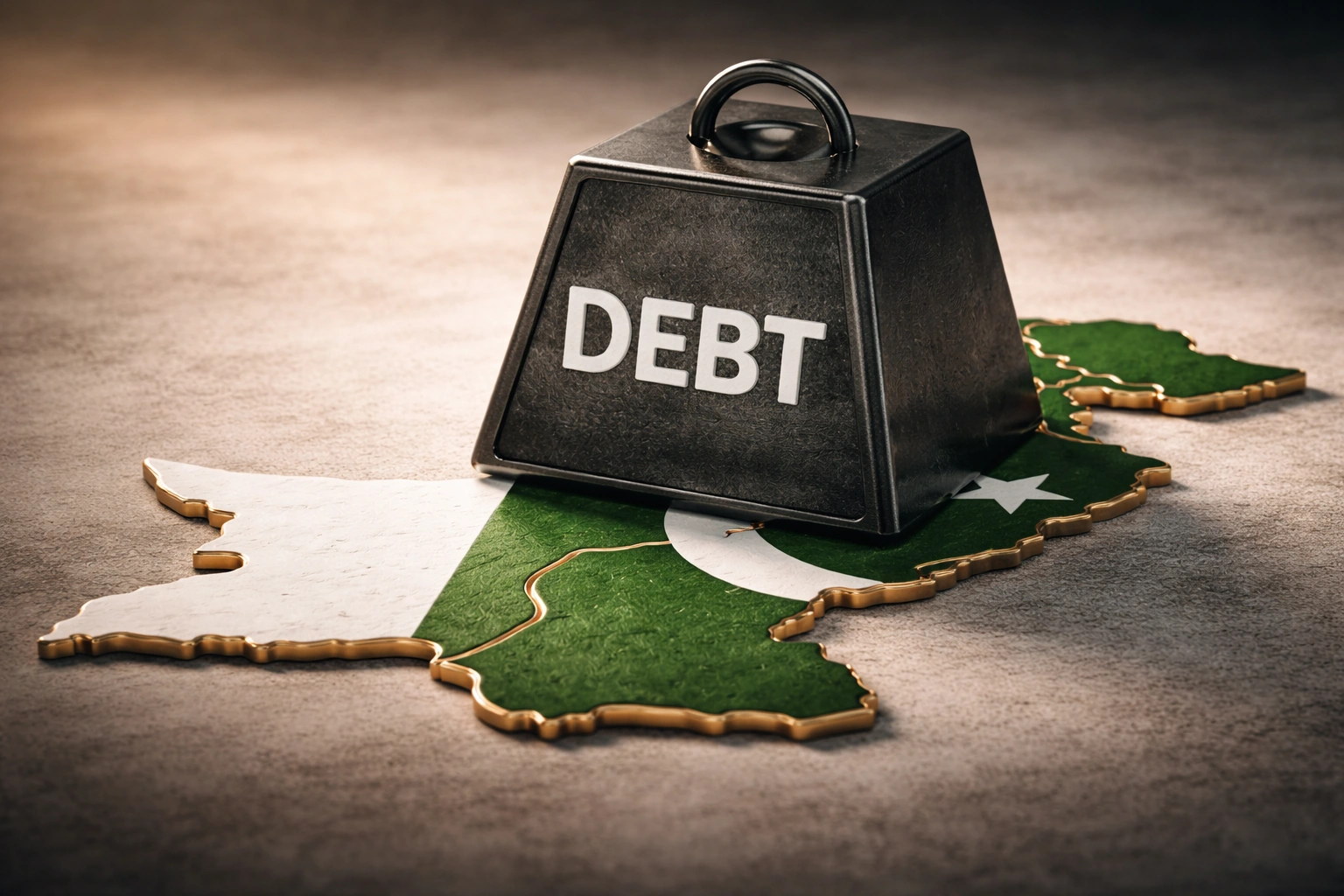
ISLAMABAD: Pakistan public sector debt is reported to have risen to Rs15 trillion within two years’ time according to information obtained from the State Bank of Pakistan (SBP). The rise in this case has brought into focus the fiscal strain that the country is facing due to excessive reliance on borrowing for its economic problems.
This rise in debt level was noted between March 2024 and February 2026 according to information from the SBP.. In terms of daily numbers, it is even more startling, with a new debt of around 21 billion PKR accruing every single day.
Domestic Debt v. Foreign Debt
As revealed by the SBP report, there is a wide gap when it comes to domestic debt compared to foreign debt. The government used mostly the internal market to finance its activities, causing an astronomical rise in domestic debt.
- Increase in Domestic Debt: 14.004 trillion PKR
- Increase in Foreign Debt: 1.068 trillion PKR
- Total Federal Debt (up to February 2026): 79.882 trillion PKR
Whereas foreign debt was just a small increment, the huge domestic debt shows that the government is becoming very dependent on domestic banking channels to solve its fiscal problem.
Also Read: Pakistan Ends 4-Year Market Exile with Strategic $500M Eurobond Issuance
Pakistan Public Sector Debt Trends Highlight Fiscal Pressure
One must go back to the period of regime change in order to get an idea of how much this growth rate is. As of February 2024, when the caretaker administration completed its tenure, the aggregate national debt was pegged at 64.81 trillion PKR.
Within the span of two years, the debt levels have been rising towards the 80 trillion PKR mark. This rapid growth trajectory brings up serious concerns about debt sustainability in the eyes of economists and policy makers.
As per the economists, high-interest rates, shrinking tax net, and increasing burden of paying interest from previously issued debt are some of the major reasons why countries fall into this “debt trap.” Due to this increasing amount of expenditure towards servicing the already issued debt, the country needs to borrow again to fulfill the basic requirements, which again leads to the cycle of debt.
In addition, there is an enormous amount of pressure on the private sector due to the daily rise of PKR 21 billion debt. The government’s involvement in the local financial market results in the crowding out of private investment in the economy.
However, the current challenge is for the government to carry out reforms to curtail this trend. Tourism projects like the “Queen of the Hills” may generate future income. However, the government must now focus on fiscal discipline and expand the tax base.
At a debt level that is close to reaching 80 trillion PKR, coming months are going to be crucial for Pakistani policymakers, especially as far as satisfying the IMF and ensuring internal stability are concerned.

Leave a Reply
Your email address will not be published. Required fields are marked *