
Punjab Launches Comprehensive Halal Food Enforcement Strategy at Province's First Halal Summit
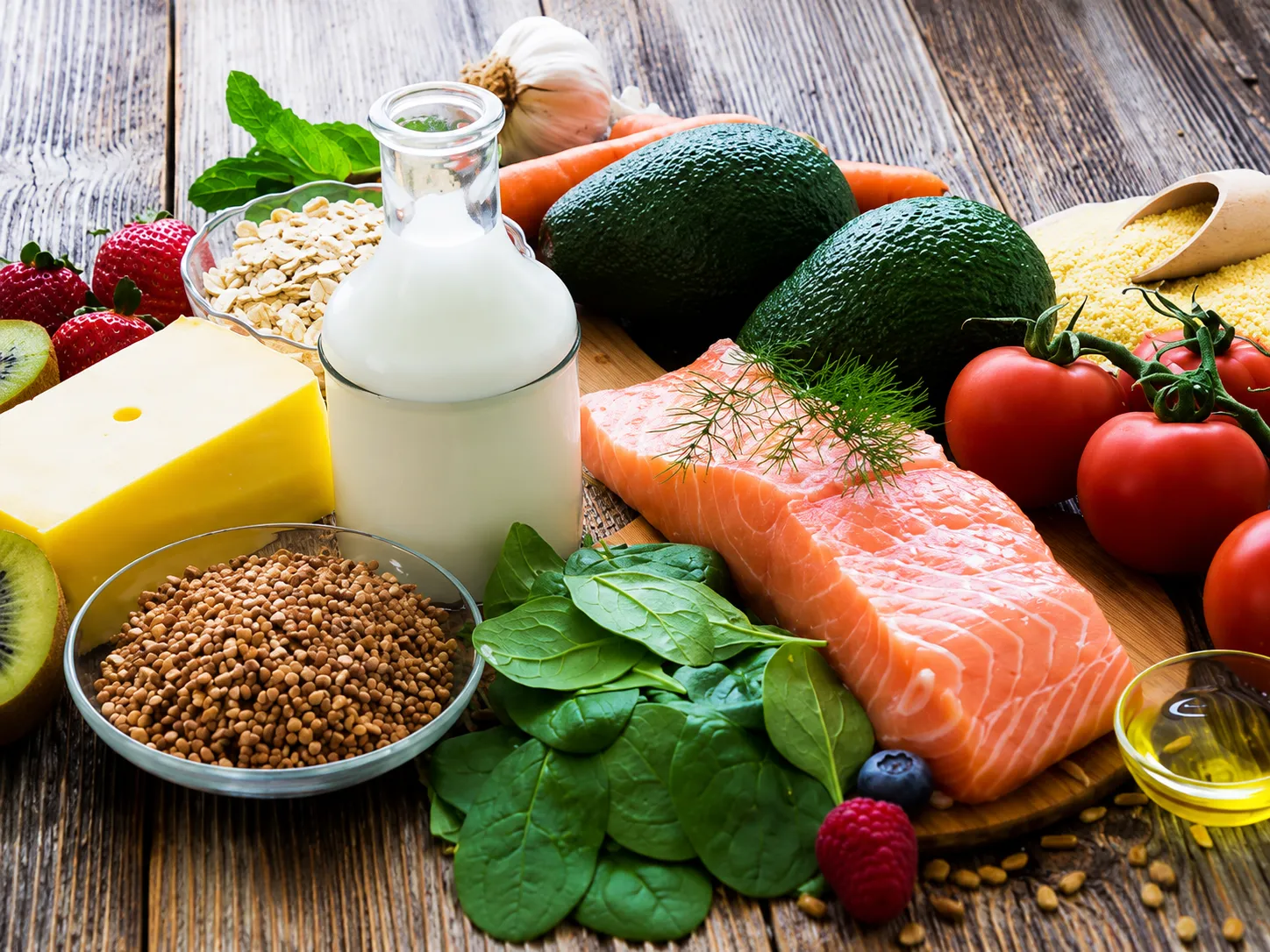
A strategy to implement the Halal food laws in Punjab has been devised by the Punjab Government which will be implemented throughout the food processing cycle. The Punjab Halal food laws implementation strategy has been launched at the Halal Food Summit organized for the very first time in Punjab by the Food Safety & Consumer Protection Department, the Punjab Halal Development Agency and the Punjab Food Authority in Lahore.
Special Assistant to the Chief Minister Salma Butt, Secretary for Food Safety and Consumer Protection Dr. Kiran Khurshid, and Director General, PFA, Registrar of PHDA, Raja Mansoor Ahmed, formally opened the summit, which will help build the regulatory and business infrastructure for Punjab’s Halal food initiative.
A Combined Purpose for Three Agencies
The collaboration among all three agencies, rather than having only one organization responsible for enforcing Halal, stems from the intricacies involved in an integrated farm-to-table approach that encompasses all areas from agriculture to food processing and manufacturing of non-food items.
Directions of CM Maryam Nawaz Beyond Compliance of Religions
According to Salma Butt, the implementation strategy of Punjab Halal food laws has been developed and is being executed according to certain directions of Chief Minister Maryam Nawaz Sharif, whereby the compliance of the Halal laws is no longer just a religious practice but a contemporary framework for consumer protection and food safety:
"Quality, purity, and tayyab food are the soul of the Halal food laws. Halal compliance will be enforced throughout the whole process."
Salma Butt, Special Assistant to CM Punjab
The “tayyab” aspect which refers to wholesomeness, purity, and legality places the enforcement strategy for Halal foods in Punjab province within the context of the wider Halal food standards framework internationally, whereby Halal certification has become a mark of quality recognized not only by Muslims but also non-Muslims internationally.
As reported by Salma Butt, “Pakistan imports a lot of food and non-food items from all over the world. Hence, Halal classification becomes necessary not only for locally made products but also for imported goods.” In addition, the Punjab Halal Development Agency will be completely operationalized to provide regulatory control over imported items.
Regulatory Framework – What is being Built
Enforcement approach for Halal/Punjab laws on food regulations consists of establishing an entire framework of regulation, which does not exist yet as such:
Classification of Halal/Non-Halal: Mapping food, packaging, and non-food products according to Shariah criteria
Inspection, licensing, and enforcement: PFA system based on Shariah criteria in addition to conventional food safety criteria
Expansion of Halal certification: Broader Halal certification of food companies in Punjab
Development of institutional capacity: Training and equipping of regulatory authorities to evaluate Halal criteria in addition to conventional food safety criteria
Mapping of non-food sector: Secretary Dr. Kiran Khurshid noted mapping of the non-food sector as one of the priorities as the Halal criteria apply to cosmetics, pharmaceutical products, and other consumer goods apart from food
ALSO READ: Maker of Soya Supreme Cooking Oil Plans Pakistan IPO This Month to Fund Plant Expansion
The Export Opportunity – Why Demand Is Increasing Globally
As explained by Raja Mansoor Ahmed, Director General PFA and Registrar PHDA, the Punjab Halal food laws enforcement strategy is seen from the perspective of an export business opportunity, far more than simply serving the local consumer base of Punjab:
"The demand for Halal products is increasing across the world among Muslims as well as non-Muslims. It is not only a matter of religion but also a regulatory compliance issue."
Raja Mansoor Ahmed, DG PFA and Registrar PHDA
It has been calculated that the Halal economy worldwide is more than USD2 trillion every year, covering various areas, from food to medicine, cosmetics, finance, tourism, and even fashion. Being one of the world's largest Islamic countries and possessing a sizeable agricultural and food processing industry, Pakistan should by right be a big exporting economy of Halal products, yet it always failed compared to such other countries as Malaysia, Indonesia, and UAE, which made big investments in Halal certification system.
And Beyond
The Punjab Halal enforcement plan for food regulations is just the start and not the end of the process. The output from the summit including consultations with international experts, finding regulatory gaps and mapping the non-food industry will be used to develop the full regulatory framework which, as Secretary Dr Kiran Khurshid mentioned, is being actively developed.
To implement the framework, it will take enforcement capability, investment in lab equipment for testing claims about Halal products, and, most importantly, international certification of Punjab's Halal to allow access to export markets outside Pakistan.


Leave a Reply
Your email address will not be published. Required fields are marked *