
Saudi Arabia Completes Hajj 2026 Preparations With 22,000 Staff
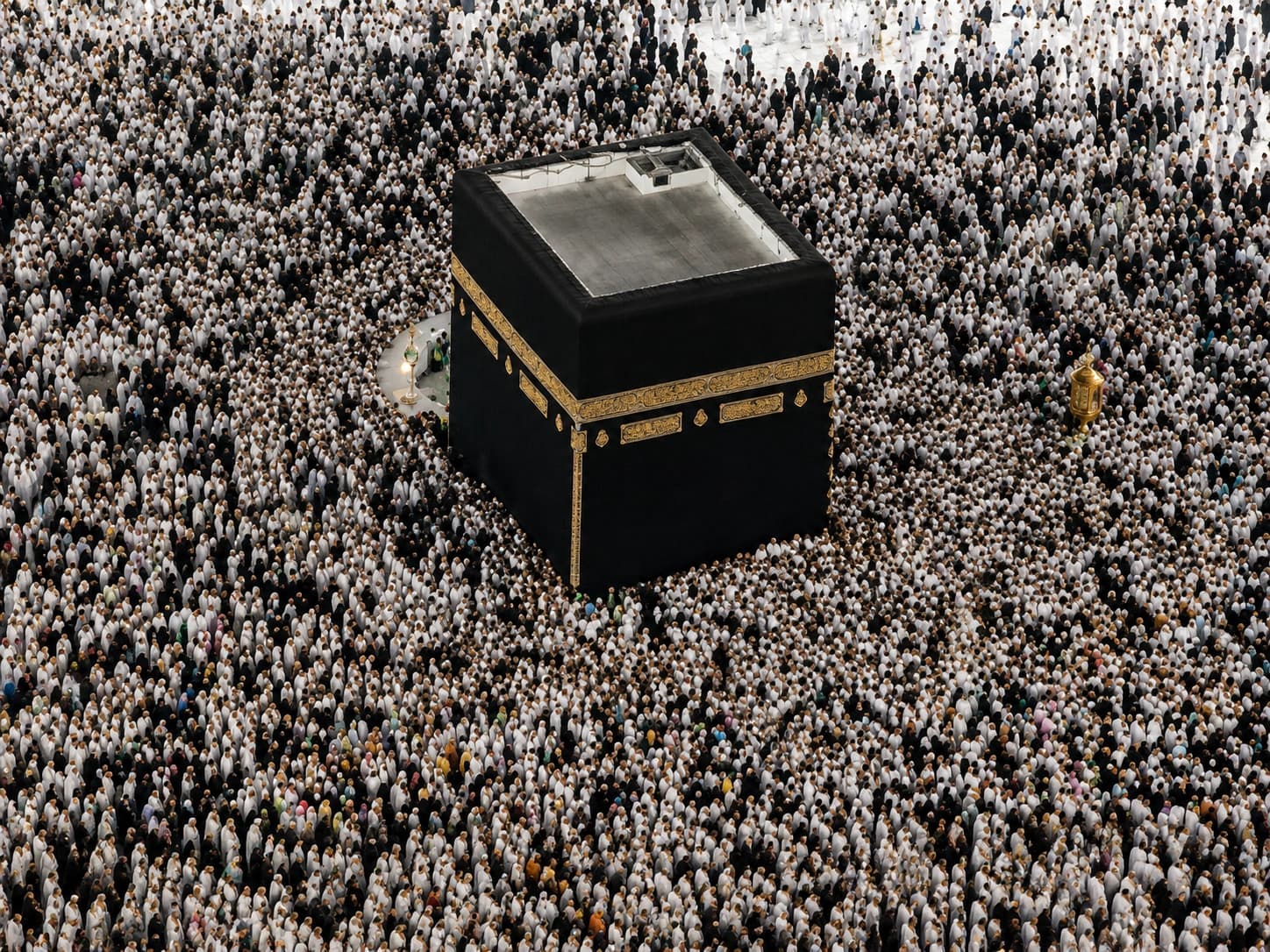
RIYADH: The biggest operational mobilization in the history of Saudi Arabia has been undertaken for the upcoming Hajj pilgrimage season. This includes more than 22,000 employees working round-the-clock at different locations within Saudi Arabia. Smart technology solutions, waste management facilities, and digital monitoring mechanisms have been put into place for facilitating millions of pilgrims coming from different parts of the world.
Various government agencies in Saudi Arabia were responsible for the operation of the integrated operation plan, which encompasses all aspects of maintenance, health, guidance, and rescue. The extent of the preparations for the Hajj in Saudi Arabia is indicative of both the difficulty of organizing one of the largest pilgrimages in the world annually and the intention of the government to increase its standards every year.
22,000 Staff Members and 13,000 Cleaning Workers
The personnel involved in preparing Saudi Arabia for the Hajj pilgrimage are spread out through all levels of service for the pilgrims. The number of members of the team exceeds 22,000 and performs duties around the clock in the various locations. There are over 13,000 cleaning personnel working.
Staffing levels become important given the scope Hajj entails. Crowds gathered in closed holy sites pose hygiene and safety risks that need consistent proactive management instead of reacting to incidents. This is tackled in the Saudi Arabia Hajj arrangements by way of a strategic arrangement where staff will be stationed both in stationary and mobile form.
Waste Management Units and Intelligent Environmental Management Systems
Waste management is a key component of the framework for Hajj preparations in Saudi Arabia. Over 88,000 waste management units were put into use in the holy places and other areas with high concentrations of people, along with 1,235 waste compaction units. This process aims to achieve two primary goals – keep the environment clean and minimize traffic caused by waste accumulation.
The waste management system goes well beyond ordinary waste collection containers and compactor units. The Saudi Arabia Hajj planning process involves the deployment of intelligent waste compactor systems, automatic road cleaning systems, and cold asphalt pavement technology as part of its wider digital transformation initiative. This ensures that the needs for human involvement are minimized while keeping up with the hygiene standards continuously.
Five Laboratories for the Examination of 1.3 Million Food Samples Every Day
Safety of the food is an important component of the preparations made for Saudi Arabia Hajj — and the size of the monitoring system is impressive. The government mobilized five labs to help ensure that food is safe and healthy for pilgrims.
ALSO READ: Saudi Arabia to Install Prophet’s Mosque-Style Umbrellas at Arafat for Hajj Pilgrims
These labs will test more than 1.3 million samples each day during the Hajj period. This number takes into account the number of food establishments operating around Mecca and Medina during the Hajj period and the intention by the authorities not to have any outbreak of diseases among many people at once.
Grand Mosque and Prophet's Mosque Ready to Welcome Pilgrims
According to reports from the General Administration of Affairs of the Holy Mosque and the Holy Prophet’s Mosque, both have successfully completed all their arrangements before the arrival of the Hajj period. The administration oversees the management of two of the busiest holy sites on Earth, and their arrangements play a pivotal role in making sure that pilgrims have the best possible experience while visiting.
Systems of interactive guiding and maps in electronic format are presently working in both locations. Guides are equipped with portable translation machines to help pilgrims coming from other nations speak the same language a useful approach to overcome the language barrier resulting from a worldwide pilgrimage.
Monitoring of Operations at Engineering Command Center in Real Time
All operations of the framework of the Hajj preparations in Saudi Arabia take place via an integrated model of operation that is enabled by an engineering command center. This center oversees the performance of all the holy sites in real time.
This type of organisation model involves a paradigm shift in management styles where a proactive strategy is used. Unlike conventional approaches where resources are utilised only when an issue has escalated, this model works through identification of stress areas within the operations and coordinating activities beforehand.
Workforce Size and Technology
The planning and preparation for Hajj in Saudi Arabia in 2026 is a combination of workforce size and technology being employed in logistics that cannot be matched elsewhere around the globe. The numbers include 22,000 workers, 88,000 waste units, 1.3 million daily safety food tests, instant translation gadgets, and an engineering control center that supervises everything round-the-clock.
For the millions that will undertake this voyage, these preparations mean that they have been provided with clean grounds, safe food, fast guidance and efficient service all throughout their voyage process. It seems like the country of Saudi Arabia increases its standards yearly, and the preparations for the Hajj in 2026, in Saudi Arabia show no different.




Leave a Reply
Your email address will not be published. Required fields are marked *