


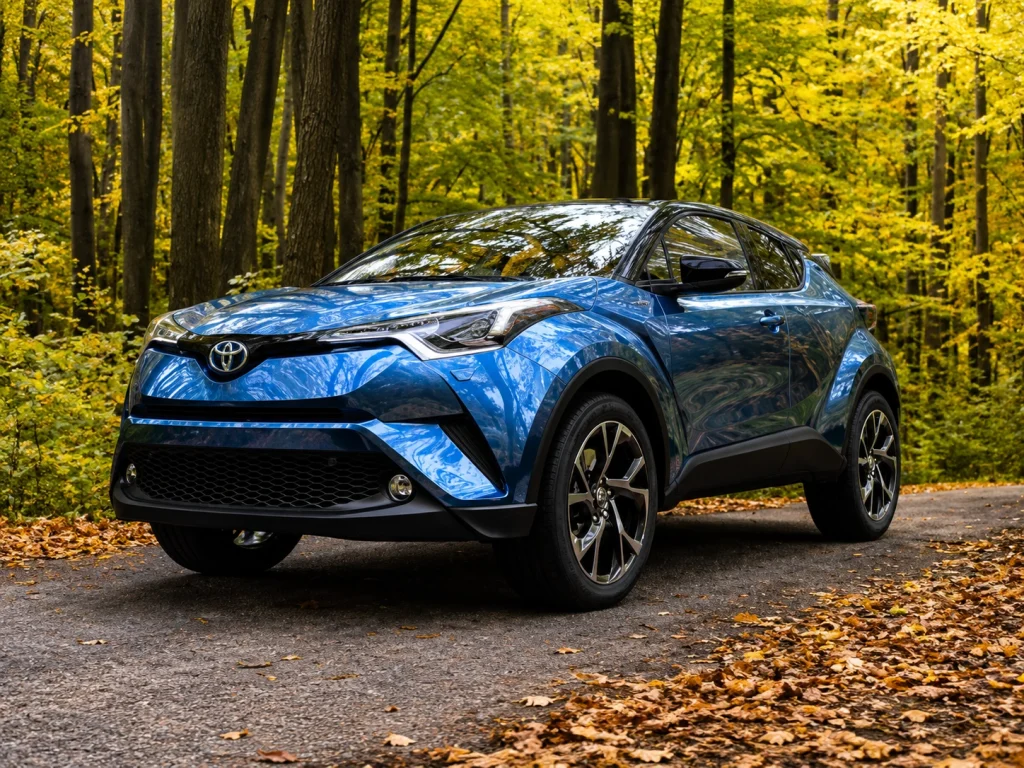
According to the government’s plan, a maximum of 25% sales tax will be levied on imported EVs in financial year 2027, bringing an end to a six-year cycle of incentives for Pakistan’s electric vehicle industry. The exemptions from CKD kits, one percent local assembly tax, and hybrid vehicle tax allowances will expire by June 30, 2026.
ISLAMABAD: The Pakistani electric vehicles industry will see an inflection in the tax front with various sets of incentives being phased out by June 30, 2026, which is the end of the current fiscal year. The proposal for Pakistan EV tax increase budget for 2026-27 could see up to a maximum 25 percent sales tax applied to imports, with the current tax structure maintaining a zero percent tax rate on EV imports and a one percent tax on domestic assembly from 2020 onwards. Sources quoted by Focus Pakistan confirmed that no changes would be seen in the tax structure for hybrid vehicles in the coming fiscal year.
Three separate concession structures all ending at once
| Incentive | Covers | Status after June 30 |
|---|---|---|
| CKD kit exemption (4-wheelers) | Small cars/SUVs up to 50 kWh · LCVs up to 150 kWh | Expires — no confirmed renewal |
| 1% local assembly sales tax (EVs) | Locally assembled 4-wheelers — same battery thresholds | Expires — up to 25% proposed |
| Reduced hybrid sales tax (8.5%–12.75%) | Locally manufactured hybrid electric vehicles | Expected unchanged — no hike proposed |
| CBU import concession (EV 2–3 wheelers) | Up to 200 units for 2–3 wheeler segment | Extended to June 30 — expires at that date |
| Customs duty concession (EV parts) | Heavy commercial EVs, LCVs, two and three wheelers | Extended to June 30 under AIDEP 2021-26 |
- June 2020: Federal Cabinet approves EV policy concessional customs duty for five years on EV-specific parts for two and three wheelers, conditional CBU imports, and heavy commercial EV components.
- December 2021: AIDEP 2021-26 approved extends existing two and three wheeler concessions to June 30, 2026, expands concessions to LCVs and vans, adds coverage for four-wheeler CKD kits and 1% assembly tax.
- 2026: Senate Standing Committee approves Customs (Amendment) Bill, 2026 to extend some concessions to June 30, 2026 under AIDEP provisions.
- June 30, 2026: All major EV incentive structures expire simultaneously. Budget 2026-27 determines what follows.
Meaning of the 25 Percent Proposal
The Pakistan EV sales tax hike budget proposal 2026-27 is no slight change at all. This would mean increasing the already existing 1 percent sales tax on local assembly of electric cars to a maximum of 25 percent. This represents a 24 percentage point change that will affect all aspects of the sales tax for EVs from the manufacturer through to the consumers. In relation to an electric vehicle assembled in Pakistan that costs Rs5 million, the gap between a 1 percent and 25 percent sales tax translates into Rs1.2 million per unit sold.
As far as imports are concerned, the elimination of the CKD kit exception would have an impact on manufacturers that utilize imported components for assembling their products in-country. The loss of the exemption means that the expense of importing the kits becomes immediately more expensive, thus creating a difficult situation for those being asked to survive on their own.
ALSO READ: Hybrid Car Prices in Pakistan Could Jump Rs17 Lakh From July
Hybrid Exception and Its Implications
The Pakistan EV tax hike budget 2026-27 clearly makes the distinction between completely electric cars and those that are partially electric and gasoline-powered. Hybrids’ current tax rates, which range from 8.5 percent to 12.75 percent based on the model’s manufacture in local factories, will stay the same. The reason why this is important is that it implies that the government considers the segment an intermediary technology, not a source for new taxes. Another factor is the larger consumer base in Pakistan that favors hybrids, which are produced by some well-established automakers.
When it comes to the goals set by the country’s EV policy, the way in which the budget operates can be seen as a shift from market creation through incentives to revenue generation from a market created through those incentives. It remains to be seen whether such a shift is too early, considering that the EV industry will not have its six years of support by June 30.