
Auto Industry Warns Govt Against Massive Tax Breaks for Hybrid Vehicle Imports
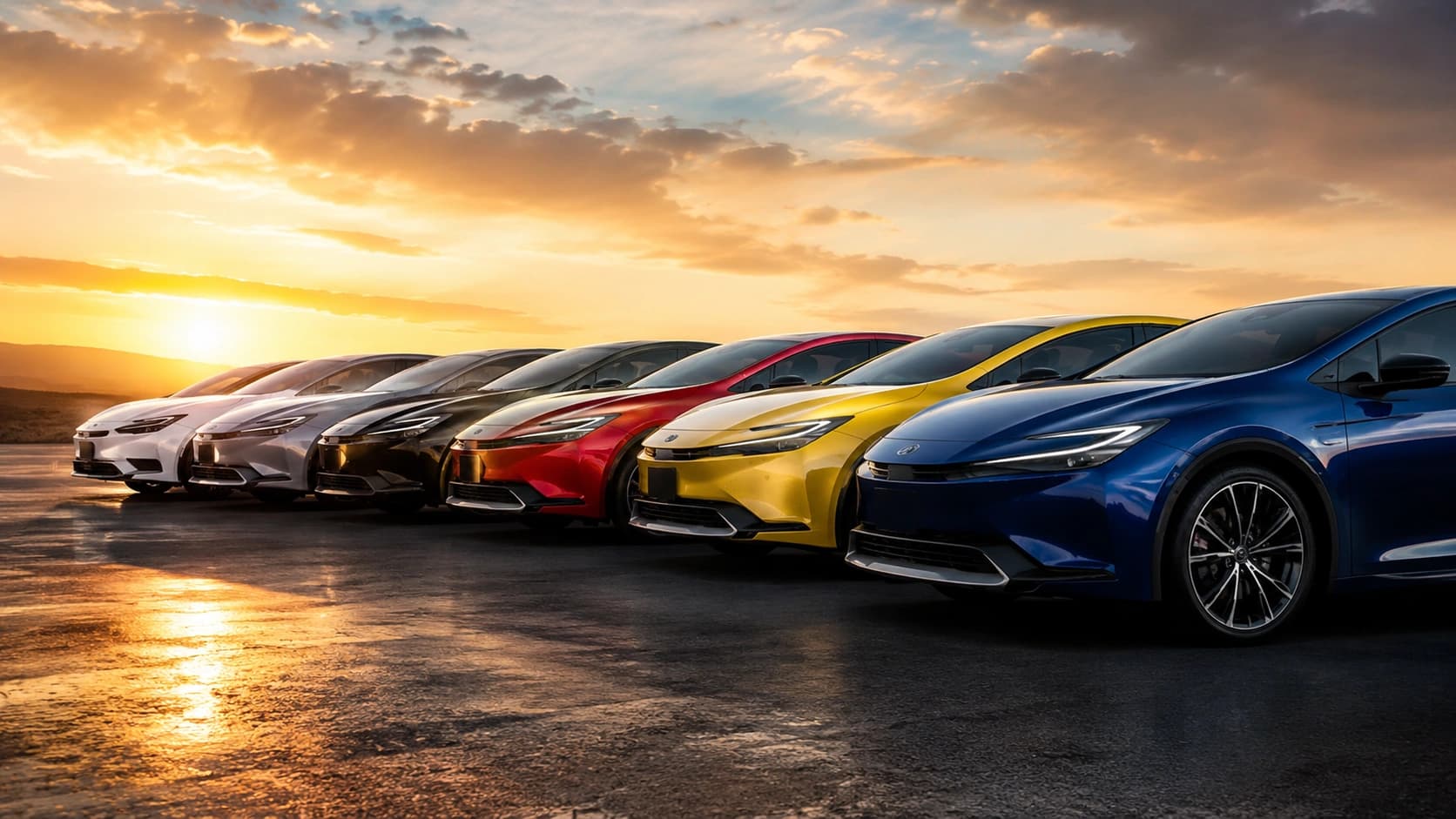
LAHORE: Auto parts manufacturers in Pakistan have expressed concern regarding the introduction of tax benefits for hybrid cars under the new Auto Policy 2026-31, claiming that this policy can have a detrimental effect on domestic production and will result in job losses and substantial tax losses.
PAAPAM has vehemently rejected a suggestion aimed at extending tax benefits for EVs to PHEVs and REEVs, which is currently granted to purely electric vehicles.
The Core Problem: Hybrids Still Burn Fossil Fuels
PAAPAM's argument cuts straight to the point. PHEVs and REEVs still depend on internal combustion engines and fossil fuels to operate. Treating them the same as zero-emission BEVs which qualify for a dramatically reduced one percent sales tax rate makes no logical or economic sense, the association argues.
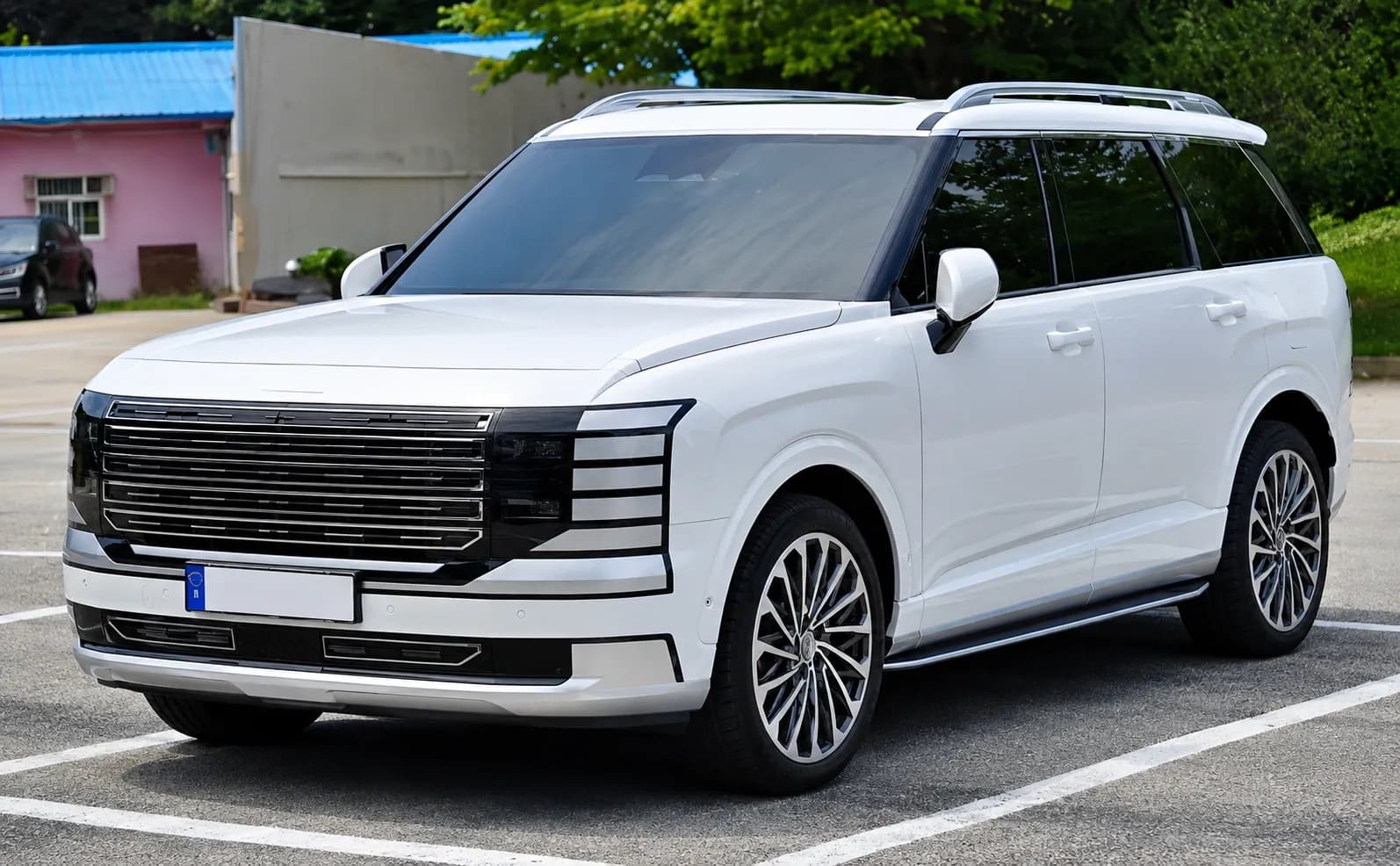
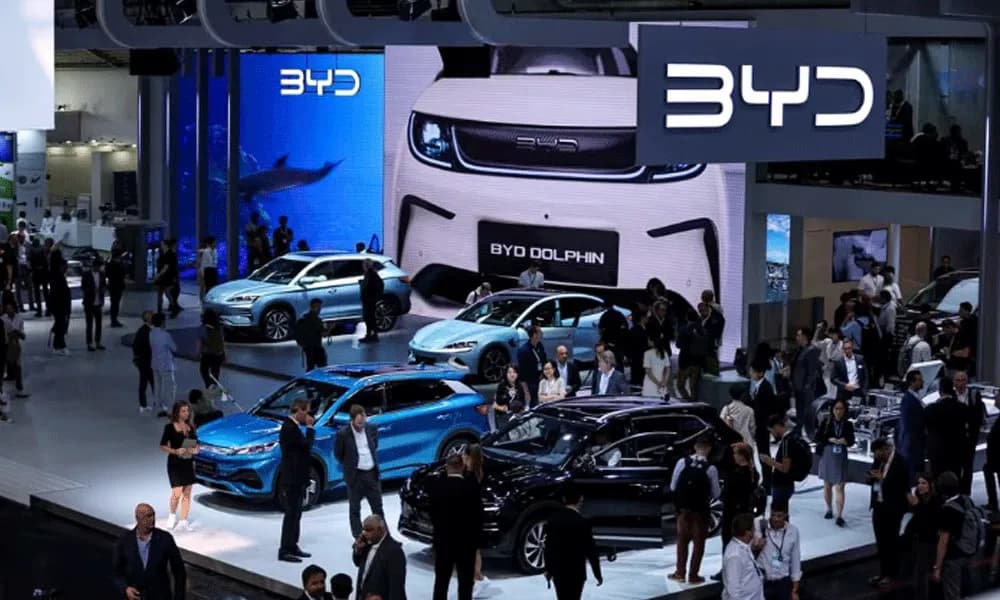
Also Read: BYD Bringing 569HP Hybrid Beast to Pakistan Alongside Two New SUVs
Pakistan currently levies a standard sales tax of 18 percent on vehicles. The one percent rate exists specifically to incentivise the adoption of clean, zero-emission electric vehicles. Extending that benefit to hybrid models that continue burning petrol would hollow out the policy's environmental rationale entirely.
Billions at Stake for FBR
The financial consequences worry PAAPAM just as much as the policy logic. The association explicitly cautioned that applying the one percent sales tax rate to PHEVs and REEVs could drain billions of rupees from FBR revenues a serious fiscal risk at a time when Pakistan's tax collection already faces intense pressure.
With hybrids commanding growing consumer interest in Pakistan's urban markets, the volume of vehicles that could claim reduced taxation under the proposed policy is substantial. The revenue gap that creates is not a rounding error it represents a structural fiscal hit that PAAPAM believes policymakers have not adequately accounted for.
Imported Units Threaten Decades of Local Investment
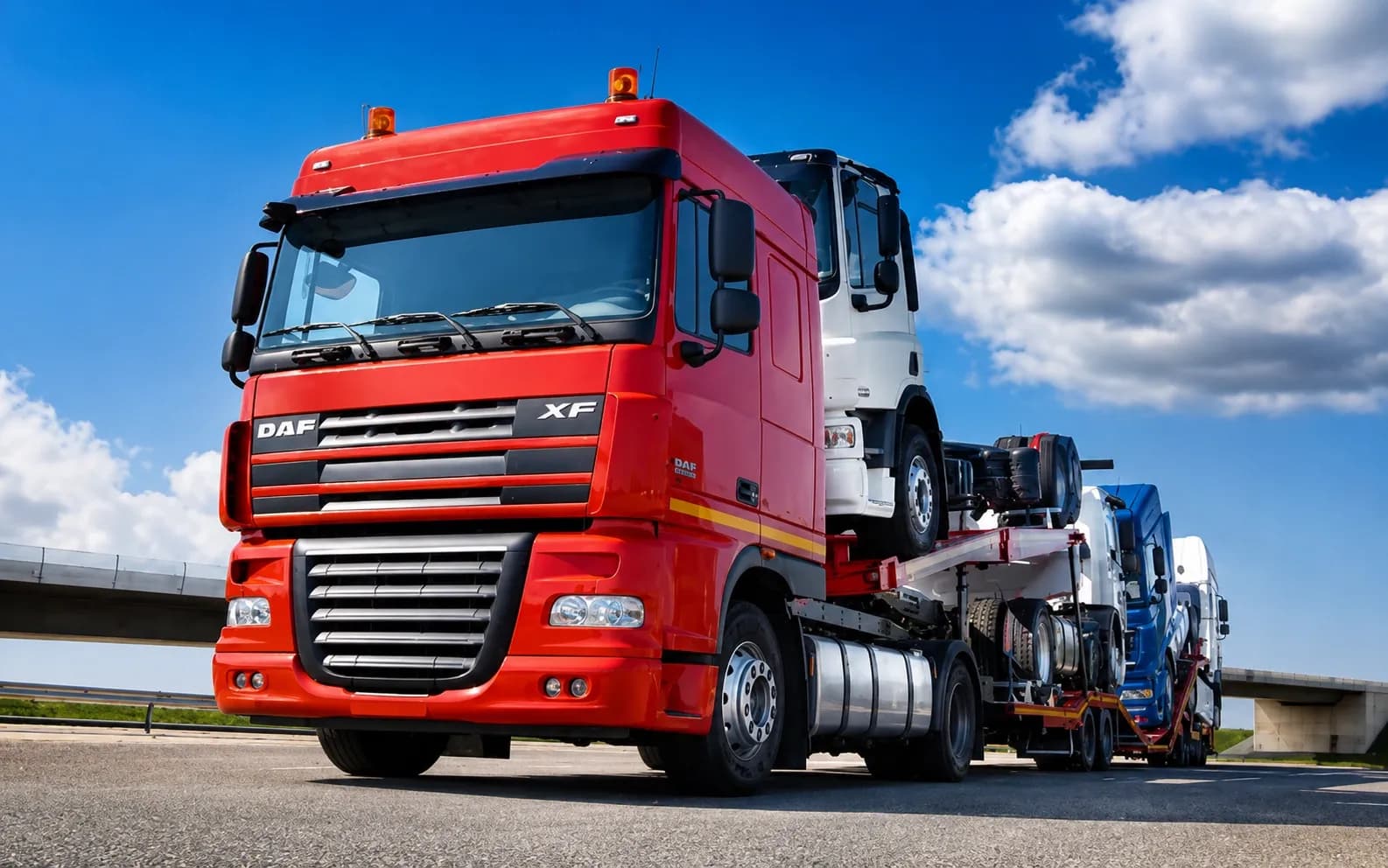
Perhaps the most damaging argument PAAPAM makes concerns local manufacturing. The association points out that the overwhelming majority of hybrid and range-extended vehicles entering Pakistan arrive as fully built units (CBUs) imported cars with minimal local content.
That matters enormously for an industry that has spent decades building a domestic auto parts ecosystem. Thousands of jobs depend on local manufacturers supplying components to vehicle assemblers operating inside Pakistan. When imported CBUs dominate the market supercharged by tax incentives that make them artificially cheaper those local supply chains wither.
PAAPAM warns that the proposed policy could undo decades of investment in domestic manufacturing capacity and directly threaten the livelihoods of workers across the auto parts sector.
What PAAPAM Wants
The association's position is clear: tax incentives tied to environmental benefit must stay tied to environmental performance. BEVs which produce zero direct emissions deserve the one percent rate.
Neither the PHEV nor the REEV, which depend on fossil fuels, can. With the Auto Policy 2026-31 now making its way through consultations, PAAPAM's involvement has forced the government to make sure that it takes an appropriate position by ensuring that both environmental concerns and the industrial base of Pakistan are safeguarded.

Leave a Reply
Your email address will not be published. Required fields are marked *