
Pakistan Eyes Dubai-Style Used Car Export Hub Under New Auto Policy 2026-31
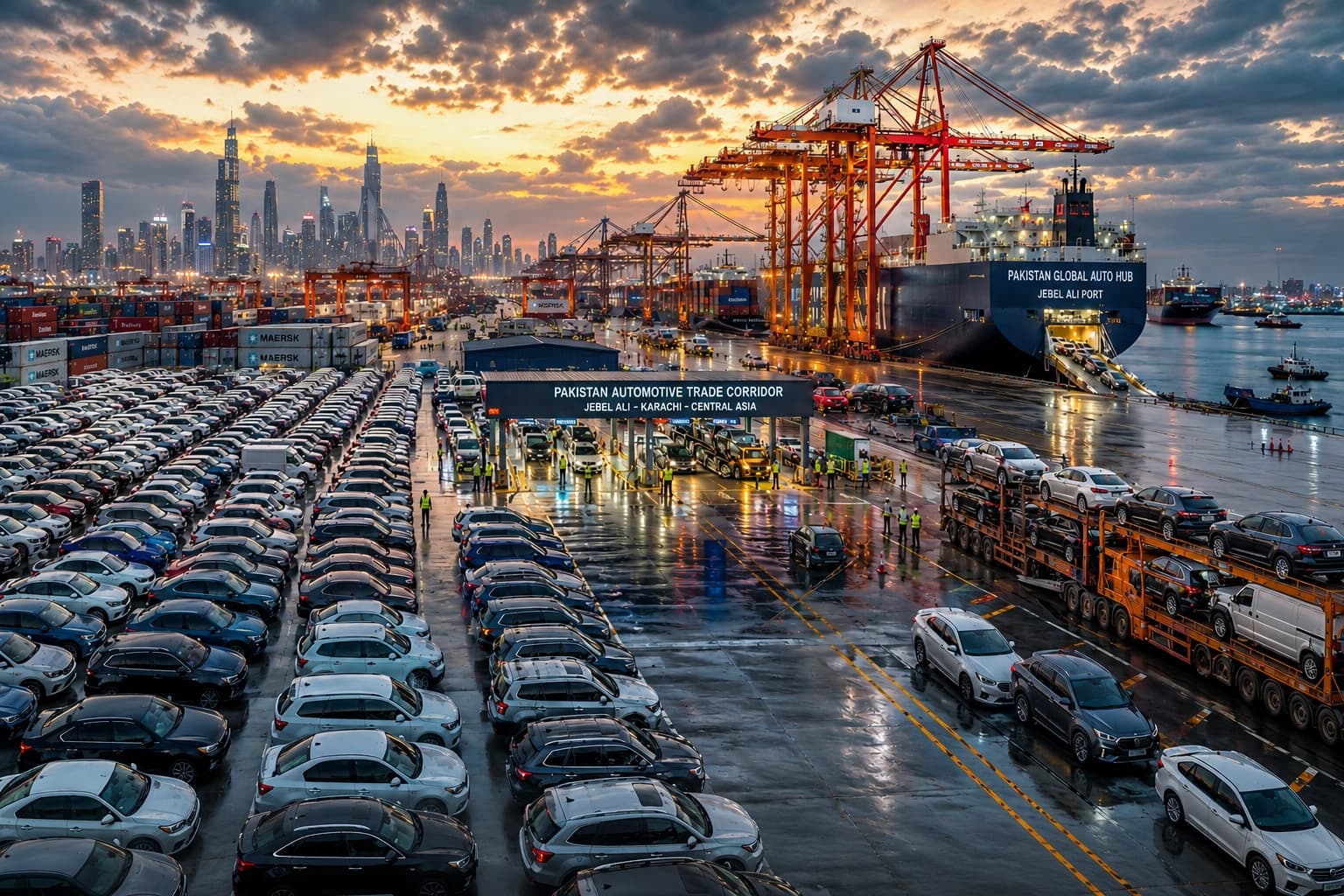
SLAMABAD: Pakistan used car export policy 2026 takes a bold new direction. The government plans to introduce a Dubai-style system for the import, repair, and re-export of used vehicles under the proposed Auto Policy 2026-31, a move that authorities believe could unlock millions of dollars in export earnings and establish Pakistan as a competitive regional automotive trading hub.
Pakistan Used Car Export Policy 2026
The Special Investment Facilitation Council (SIFC) actively backs the proposal, describing it as a potentially high-margin business opportunity for Pakistan. Officials believe Pakistan’s geographic location gives it a strong advantage in the used-vehicle refurbishment business.Cheaper labor rates might also improve competitiveness within the region. There is a greater demand for low-cost, roadworthy automobiles following the Gulf War.. Neighboring countries now seek cheaper transportation options, creating new export opportunities for Pakistan.
Under the proposed system, Pakistan would import used vehicles under a regulated framework. Certified facilities would then repair and refurbish the vehicles before exporters ship them to international markets. There is also provision in the policy for reduced duties via the Export Facilitation Scheme (EFS). According to officials, these benefits will reduce operating expenses and enhance competitiveness in the international market for vehicles refurbished in Pakistan.
IMF Concerns Over Duty Concessions
The Auto Policy 2026–31 currently sits in active negotiations with the International Monetary Fund. Once the two sides reach an agreement, the government will present the full policy to the federal cabinet for approval. Officials familiar with the process say the IMF wants assurances that any duty concessions remain fiscally neutral and do not create a parallel grey market for vehicles that ultimately end up on domestic roads rather than in export channels.
The export industry in Pakistan has been under consistent strain for quite some time now. There has been stagnation in the area of textile-based exports, and a fresh vertical is needed on the part of the government in order to narrow down the existing disparity between their goals and their current achievements. This is where the vehicle refurbishment paradigm comes into play.
There is much precedence in Jebel Ali. Dubai successfully createdakistan already has the ports and economic zones which it can exploit to achieve the same. But the tough job is convincing foreigners about the quality of their cars once they are refurbished at Pakistan.
The proposal has been well received in the industry, but it requires stringent rules for its success. The specialists stress the importance of independent verification of the used cars. They also want strict customs monitoring and an effective enforcement system to prevent misuse of the scheme.
Once approved by the International Monetary Fund (IMF) and the federal cabinet, Pakistan can establish its first Jebel Ali model of refurbished cars in less than five years. The government views the program as an important export diversification strategy. The initiative could also help Pakistan develop a new regional automobile trade hub.

Leave a Reply
Your email address will not be published. Required fields are marked *