



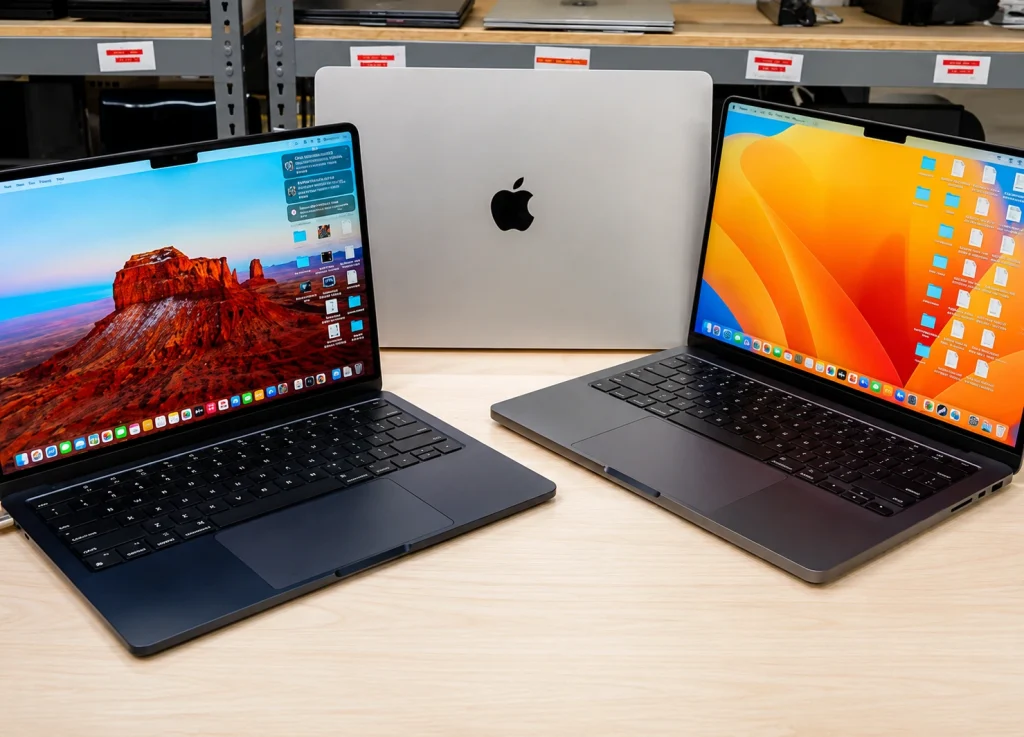
SAN FRANCISCO: Apple admits that it couldn’t continue absorbing the skyrocketing costs of memory as a result of artificial intelligence data center expansion, increasing prices on the MacBook Air to $1,299, the MacBook Pro to $1,999, and the iPad Air to $749, while industry experts say that the iPhone price rise is already in the works for the fall release.
Apple finally gave in on Thursday. After months of enduring high expenses for memory and storage chips, Apple decided to increase prices for all their Mac and iPad products, fulfilling the fears of customers that were expressed when Tim Cook announced back in April how the cost of DRAM will affect the company by the end of June. Apple MacBook iPad price increase 2026 includes the company’s most vital products, and the iPhone price increase is to follow soon enough.
| MacBook Neo (entry laptop) | $599 | $699 | +$100 |
| MacBook Air (512GB) | $1,099 | $1,299 | +$200 |
| MacBook Pro (1TB) | $1,699 | $1,999 | +$300 |
| iPad Air (128GB) | $599 | $749 | +$150 |
| HomePod (both models) | Various | Increased | Undisclosed |
| Apple TV | Various | Increased | Undisclosed |
Prices were also increased on Apple’s HomePod smart speaker, both types, and Apple TV set-top box. Apple stock price was down by almost 5%, whereas the price of its competitor Dell was down by over 8%, which means that the market expects much more to follow.
What is RAMageddon? And why Apple couldn’t resist it
In just one quarter of 2026, dynamic random access memory prices have increased by up to 98%, and according to TrendForce, they are projected to rise an additional 58-63% in the coming quarter. The increase, which has been labeled RAMageddon, comes as no surprise since it was caused by the rapid growth of the number of artificial intelligence data centers being built.
“We have never seen a component price increase this much, this quickly. We have shielded our customers from these increases so far, but we have now reached a point where we need to begin raising prices.” Apple statement
Companies like Nvidia have secured their memory supplies through long-term agreements with manufacturers like Micron, which reported Wednesday that it already has $22 billion worth of those from customers.
ALSO READ: Apple Brings Genuine iPhones With Official Warranty to Daraz Pakistan
The rise in prices of the iPhone is already foretold
The price rise in the Apple MacBook and iPad conspicuously fails to include the iPhone, which is the single biggest earner for Apple. The analysts believe it to be strategically timed and not due to any special exemption granted to the iPhone. As IDC’s senior research director, Nabila Popal put it, “the timing of events was clearly planned such that news about the price increases would be over and done with before the iPhone launch.”
“The iPhone isn’t spared, its hike is coming. It was incredibly strategic for Apple to make price hike announcements prior to the iPhone fall launch, so the headlines at launch is not the price hikes but the value the new phones bring.” Nabila Popal, IDC
Competitive Edge Lost by MacBook Neo
The increase in Apple prices is especially painful for the MacBook Neo, the introductory Mac notebook computer introduced in March as an attempt to gain market share by underselling Windows computers and Chromebooks.
The Neo has been priced at $599, which gave it a $100 cost savings versus the $699 Dell competitor called the XPS 13. At the new $699 price, the cost savings vanish completely, equalizing it with the competing machine and pricing it higher than a number of Lenovo and Asus Chromebooks.
Industry-wide effect Apple competitors will experience even larger hikes
As significant as Apple MacBook and iPad prices increase on Thursday 2026 may be, experts believe that the competition in devices industry will see even larger hikes. Strong connections with suppliers shield Apple from the brunt of rising DRAM costs, which smaller players have to bear themselves. IDC predicts that there will be the largest drop ever of almost 14% in smartphone sales and 11.3% in PC sales this year due to memory problems that persist due to AI infrastructure spending.

Nayab Fatima is a university graduate and an emerging media professional with a strong passion for journalism, research, and independent reporting. She specializes in developing well-researched, fact-based, and analytical news stories covering a wide range of sectors, with particular expertise in technology, telecommunications, aviation, and the automobile industry.