

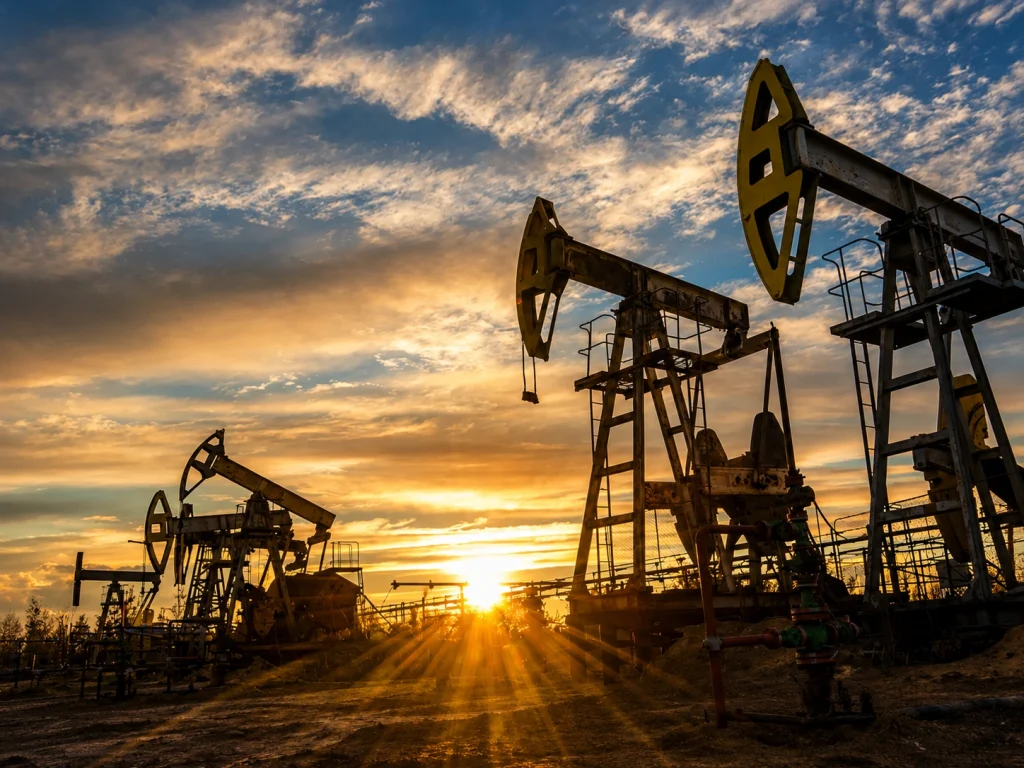
Crude oil is cheaper again. Pakistanis are still paying through the nose at the pump. Here is exactly why that gap exists, and why it isn’t closing anytime soon
Oil prices across the globe have come back to normal levels after a dramatic rise due to political disputes which took place recently. Unfortunately, the good news regarding reduction in fuel costs does not apply to Pakistan, where citizens continue to pay higher prices at the pump.
Where Exactly is the Money Going?
In order to figure out why the price relief for Pakistan’s fuel prices is not achievable, it is necessary to examine the revenue collection strategies of the government. The government keeps on collecting huge amounts of revenue through the Petroleum Levy.
Based on the budget plan, revenues of Rs1.727 trillion will be generated from the Petroleum Levy and Climate Support Levy in total for the fiscal year 2026-27, starting from July 1st. This is because the number reflects an immense financial commitment made based on high fuel prices, and any reductions become more difficult to justify irrespective of the global market situation.
People Are Waiting; Officials Remain Quiet
It was natural that people had expected the government to share some of the gains resulting from the fall in global oil prices. Nevertheless, no major decrease in domestic oil prices has been reported yet, making fuel price cuts in Pakistan nothing more than mere speculation at this stage.
Why Fuel Pricing Involves Important Fiscal Consequences
A key reason why this is true is the importance of levies on petroleum products to the government’s sources of income. Fuel pricing involves serious fiscal consequences since levies on petroleum products provide the government with an important source of income. Lowering fuel prices results in lower revenue from this income stream unless offset somewhere else, considering the Rs1.727 trillion that has already been budgeted for next year.
ALSO READ: Pakistan Invites Gulf Oil Giants to Build Strategic Crude Reserves in Gwadar
The Pressure On Consumers
Consumers have been under continued pressure due to inflation, unemployment, and increasing costs, making it difficult for them to not feel let down by the lack of relief on fuel prices in Pakistan. With their budgets being stretched out even more, the disparity between the drop in international oil prices and domestic prices is becoming difficult to stomach.
Crude Oil Prices Do Not Tell the Whole Story
The economic experts have emphasized that the issue of fuel price reduction in Pakistan should not be assessed in terms of global crude oil prices only. Other aspects that need to be considered include exchange rate, taxes, levies, transport cost, and so forth. Thus, even if there is a considerable reduction in global crude oil prices, the effect on domestic prices may not be much.
As the new fiscal year 2026-27 is about to start, the focus has now shifted to the next move of the government. Consumers need an assurance of whether there will be any relief coming from the government while they try to achieve their high revenue target which is already embedded in their budget. The most probable situation is that nothing much would change.

Nayab Fatima is a university graduate and an emerging media professional with a strong passion for journalism, research, and independent reporting. She specializes in developing well-researched, fact-based, and analytical news stories covering a wide range of sectors, with particular expertise in technology, telecommunications, aviation, and the automobile industry.