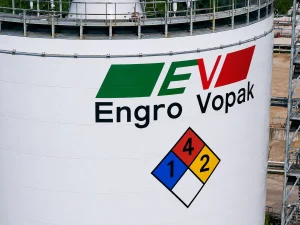

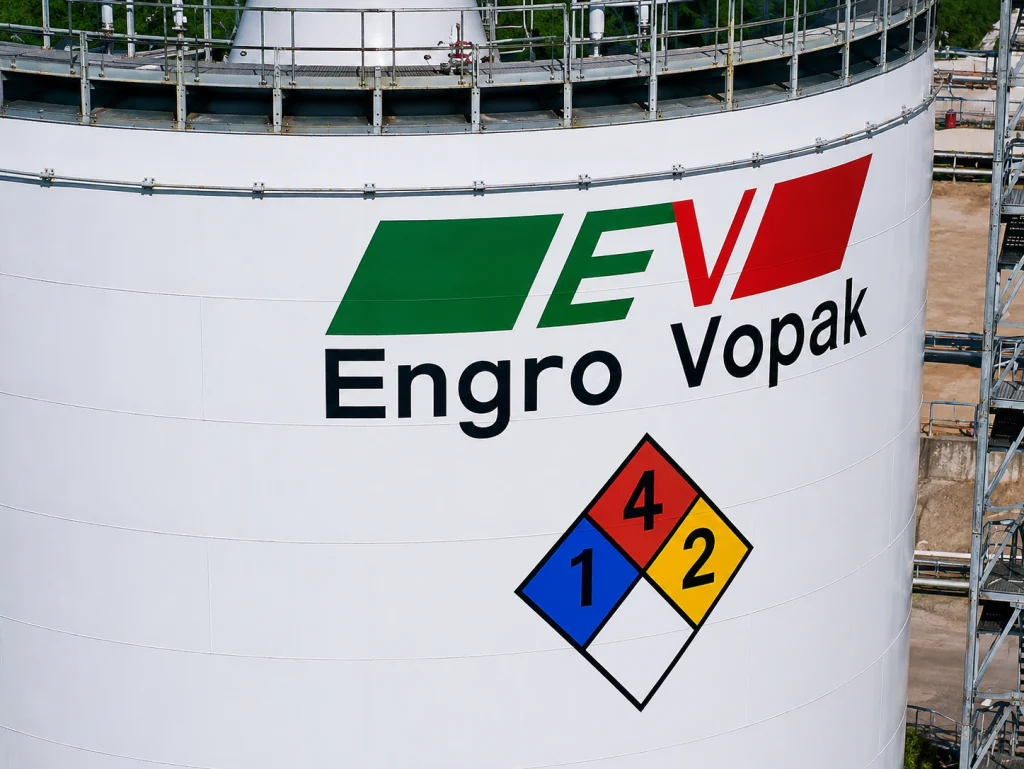
The Engro Vopak Terminal Limited has teamed up with S&P Global Energy to undertake an in-depth feasibility study for expansion of Pakistan’s LPG facilities, which could involve developing the nation’s very first refrigerated LPG importing and storing station. The Engro Vopak LPG infrastructure Pakistan project has emerged due to a structural weakness within the Pakistani energy chain that has become particularly relevant as the local gas production shrinks while the demand for LPG continues growing on the household, commercial, and industrial level.
The team consists of the terminal-building experience of Royal Vopak, combined with the engineering skills and knowledge of the market by Engro, as Syed Ammar Shah, the CEO of Engro Vopak, has aptly noted.
Reasons why Pakistan Requires this Infra now
Engro Vopak LPG Infrastructure feasibility study comes at a time where the energy picture of Pakistan is changing in such a way that the development of huge scale of LPG import infrastructure has become very necessary for:
- Declining Domestic Gas Production The natural gas reserves of Pakistan are dwindling, causing less availability of piped gas for millions of homes and industries that have no option but to look for other sources of energy
- Increasing LPG consumption – The consumption of LPG has increased steadily over the last decade and is expected to increase further due to the fact that people, businesses and industries are using LPG as an alternate to piped gas which is not available or affordable
“As demand for energy in Pakistan changes, it will become increasingly important to strengthen LPG supply chains and access global markets.”
Syed Ammar Shah, CEO, Engro Vopak and Engro Elengy Terminal Limited
Feasibility Study will examine
In its examination of the feasibility of Engro Vopak LPG infrastructure Pakistan, the following issues will be examined from the perspective of developing large scale refrigerated LPG infrastructure in Pakistan:
- Enhancing import capacity: through enabling Pakistan to import greater amounts of global LPG imports which existing port infrastructure is not equipped to handle
- Increasing storage capacity: refrigerated LPG storage provides for storing much more LPG in comparison to pressurized ambient storage, creating an adequate buffer inventory which is needed for ensuring supply chain resilience
- Greater sourcing flexibility: through having access to greater ships and facilities, the options for procuring international LPG exporters increases and Pakistan becomes less dependent on certain import routes
Pakistan’s first refrigerated LPG storage facility, should the feasibility study prove to be viable, would be a turning point for managing the supply of LPG in the country.
The Partnership Underlying the Study
The Engro Vopak LPG infrastructure Pakistan project combines the institutional strengths of three organizations:
Vopak of the Netherlands, a world leader in tank storage, which boasts extensive experience building and operating refrigerated LPG terminals worldwide. Vopak standards and protocols are the international gold standard for precisely this type of infrastructure.
Engro, Pakistan’s leading private industrial company, with strong engineering skills, established connections within the Pakistani energy sector, and the market expertise that international partners always stress is essential to making infrastructure projects work in Pakistan.
S&P Global Energy, the analytical arm of an international company renowned for its energy data expertise, which brings independent market analysis and demand and logistics forecasting to this study.
ALSO READ: Engro and Baidu Sign AI MoU Bringing China’s 655 Million-User AI Giant Into Pakistan
The State of Pakistan’s LPG Market Today
The Engro Vopak LPG Pakistan feasibility study faces a market where an upward trajectory of demand and vulnerability of supply make it a highly attractive place to invest in:
Pakistan’s LPG market has steadily expanded during the last ten years owing to the convergence of three trends which seem unlikely to reverse themselves anytime soon — the growth in population and thus expansion of household demand for energy; decline in piped gas supplies forcing consumers to look for substitutes in LPG; and use of LPG instead of other sources of energy by industrial/commercial sectors.
The current pricing crisis in Punjab, where the cost for the consumer is as high as Rs500 per kilogram compared to the notified cost of Rs308, demonstrates exactly what lack of import and storage facilities leads to.
The Journey from Feasibility to Facility
Feasibility studies mark just the starting point for infrastructure projects rather than their end result. An assessment of the feasibility of establishing refrigerated LPG infrastructure in Pakistan under the name of Engro Vopak LPG infrastructure Pakistan will decide on the presence of the conditions that can justify the investment in refrigeration LPG infrastructure on the scale envisaged.
In case this project proves feasible – as expected from the current trend of demand and weaknesses in the supply chain in Pakistan – then building the first refrigerated LPG facility in Pakistan will become one of the biggest energy infrastructure investments in the country.

Nayab Fatima is a media professional specializing in fact-based journalism, research, and analytical reporting on technology, telecom, aviation, and automobiles.