
Pumps shut in Quetta. Interior areas now pay double the official price. Long lines, angry citizens, and disrupted supply chains – the suspension of Iranian fuel imports didn’t help. Balochistan’s petrol crisis is severe, and relief isn’t coming for days.
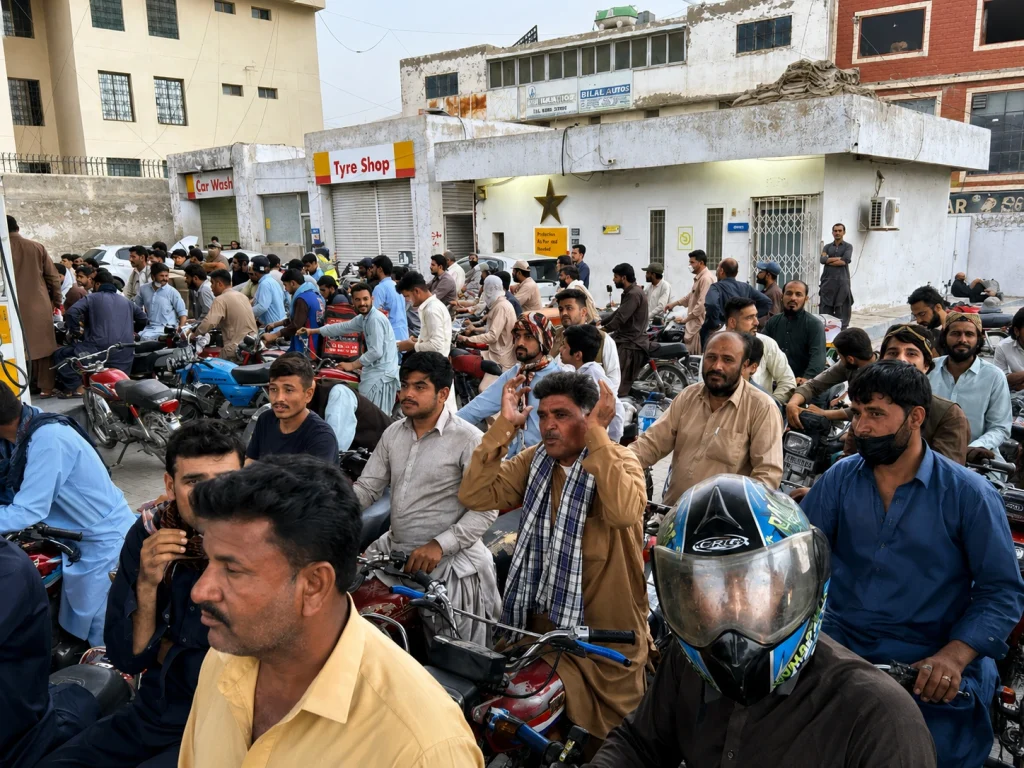
QUETTA: Things worsened when Iran halted fuel supplies to Balochistan. This was a historic source of support for their distribution system. Now that this supply is gone, fuel stations across Quetta and other districts are running dry. People face closed stations, wait in long lines when they can find open ones, and pay higher black market prices.
Where the Crisis Hits Hardest
Interior districts bear the worst of it
The petrol crisis in Balochistan is hitting interior districts super hard, particularly after prices reached Rs500 per litre. Places like Nushki, Kharan, and Loralai suffer the most because they are far from main supply routes.For them, relying on informal Iranian fuel supplies wasn’t just handy; it was essential. With that flow cut off, there’s been no quick fix from formal channels. Now, folks there must either pay the inflated price or stop moving around entirely.
Quetta: pumps closed, queues growing
In Quetta, the issue is different but just as serious. Many petrol pumps are still closed in various parts of the city. At the ones that are open, there are massive lines of vehicles. People have to wait for hours, and tensions are rising. According to DC Quetta, this intense demand spike happens because Iranian petrol supply has been halted. He added that the province has relied on this border fuel flow, even though it wasn’t officially recognized by the government.
“When Iranian petrol disappears from Balochistan, Rs500 per litre is not profiteering — it is arithmetic. The province never built an alternative supply chain robust enough to replace it.”
The Iranian Supply Factor
A dependency that formal policy ignored
The Iranian fuel supply is a dependency that formal policy largely overlooked. The recent Balochistan petrol crisis now selling at Rs500 per litre shows a basic fact that policymakers avoid. For years, cross-border Iranian fuel, which is cheaper than what’s officially distributed in Pakistan, filled much of Balochistan’s energy needs. Transporters, farms, small businesses, and homes in interior areas adapted by relying on this supply. Yet, the US-Iran military clash disrupted this flow. It hit suddenly, and the official supply network couldn’t step in fast enough.
Official positions
- Petroleum Dealers Association President Qayamuddin Agha: Supply from Shikarpur has been increased; situation expected to normalise in one to two days.
- DC Quetta: Pump rush driven by Iranian supply suspension; 600,000 litres of petrol supplied to Quetta stations today.
DC Quetta’s statement confirms what traders and consumers already knew: the pump rush is because of the Iranian supply being suspended. This admission from an official source is important – it shows the crisis in a geopolitical context, not just as a local distribution issue.
ALSO READ: No Electricity Price Hike in June as Govt Absorbs Rs38 Billion Fuel Shock
The Broader Signal for Pakistan’s Energy Policy
The recent petrol crisis in Balochistan and the sky-high price of Rs500 per litre is more than just a supply issue. It shows how tied the area’s energy market is with Iranian imports. Plus, it highlights that the official system wasn’t ready when those supplies stopped.
With the US and Iran still at odds, energy movements in the region are changing. Balochistan’s struggle really underlines a bigger problem. For provinces relying on unofficial channels for essential fuel, there should be backup plans in place before, not after, disruptions happen.