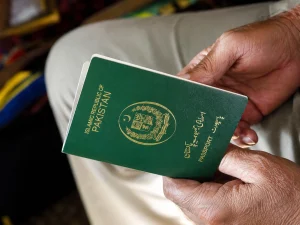



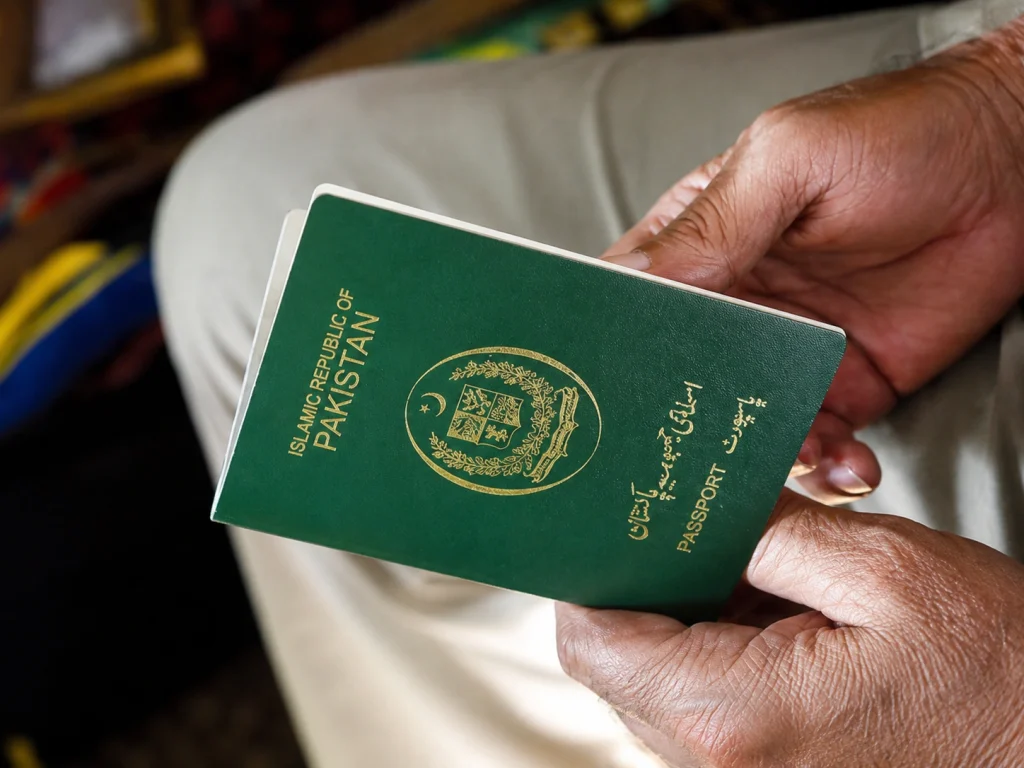
Long queues in the passport office no longer an issue. Pakistan is implementing e-passport system, making it possible to have your passports delivered right at your doorstep. And according to the government, no more forgery.
One Decision That Is Irreversible
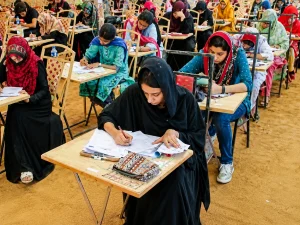
The candidates are required to focus on one such particular regulation in the MDCAT 2026 timetable which is not flexible at all. The moment a candidate opts for his/her examination center in the registration process, the decision is irreversible and cannot be undone by any means.
This implies that the center choice is more crucial than it seems to be. The students must ensure that they choose the city they want wisely, keeping in view factors such as transport arrangements, help from the family members on the examination day, etc.
From Vision to Reality Home Delivery Initiated
The most pragmatic aspect of this initiative is the Pakistan home delivery component of the e-passport itself. The officials explained at the meeting that preliminary steps have already been taken in relation to the process of passport delivery right to the doorstep
This preparatory effort ensures that the passport delivery at doorstep is not a mere distant dream mentioned somewhere in a policy document. The process for delivery of passports at citizens’ doorstep would start soon as per the officials attending the conference. This is an improvement in the quality of life for Pakistani people who have wasted several hours either standing in the queue of passport offices or arranging for the pickup of their passports amid their hectic schedules.
Cashless System Launched from July 1
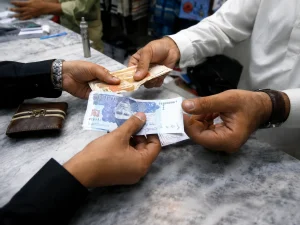
Together with the introduction of e-passport Pakistan delivery at home process, the conference took the decision to introduce another reform where the citizens will have to make payment for passport services in a different way starting July 1.
Such a move also ensures that there are no cash transactions at passport agencies, which usually means reduced chances of corruption, better transaction documentation, and faster processing as there is no need to handle cash at counters. For an agency dealing with millions of transactions per day, the introduction of new cashless payments infrastructure is a real upgrade regardless of the transition to electronic passports.
ALSO READ: Pakistan and Italy Agree on Visa-Free Travel for Diplomatic Passport Holders
Move of Online Passport Applications to PakID
Finally, another major decision that was taken is that of where the actual applications would be submitted. Online passport applications are moving to PakID and this means that there will not be any separate system for submitting passport applications but everything will be handled by the PakID system itself.
This integration through PakID reflects a long-term government approach for digital citizen services, where passports are issued and identities verified on one interconnected system, as opposed to multiple unconnected systems, which citizens must interact with separately.
Naqvi’s Case against Passport Frauds
Minister of Interior, Mohsin Naqvi built his whole case on a problem which was not only very important but also concrete. According to him, implementation of the e-passports will end all kinds of passport frauds and forgeries.
This is indeed a serious issue in light of the manner in which e-passport technology operates. The use of biometric information and digital signatures in an electronic passport makes the forgery of such a passport much harder than it would be for ordinary passport books since it is nearly impossible to alter the information encoded on the chip within the passport.
Naqvi was not content to restrict his directives just to the e-passport home delivery process of Pakistan. He went further to direct that the issue of business passports be sorted out with due haste, in consultation with the FBR.
The business passport falls under an entirely separate category in the Pakistani passport system, and is usually connected with the need for a particular period of use, validity, and costs associated with it. The connection of this policy with the FBR indicates that the issue of tax compliance will be an important consideration in the process of issuing the business passports under the new system.
The package of policies that have been taken at this meeting, including the full delivery of e-passport Pakistan services to homes, cashless payment systems starting July 1, PakID program integration, and soon-to-come business passport policies, is perhaps one of the most comprehensive passport reforms that have occurred in Pakistan in some time.
Citizens would receive their practical benefits from this new law through various phases. Payment of cash would be phased out beginning on a fixed date which is one of the clear changes to take place soon. However, home delivery of passports is expected to be phased out without a fixed date set for it. This means that passport applicants over the next few weeks should pay close attention to any announcements made by the PMDC or the Interior Ministry regarding this matter.

Nayab Fatima is a university graduate and an emerging media professional with a strong passion for journalism, research, and independent reporting. She specializes in developing well-researched, fact-based, and analytical news stories covering a wide range of sectors, with particular expertise in technology, telecommunications, aviation, and the automobile industry.