
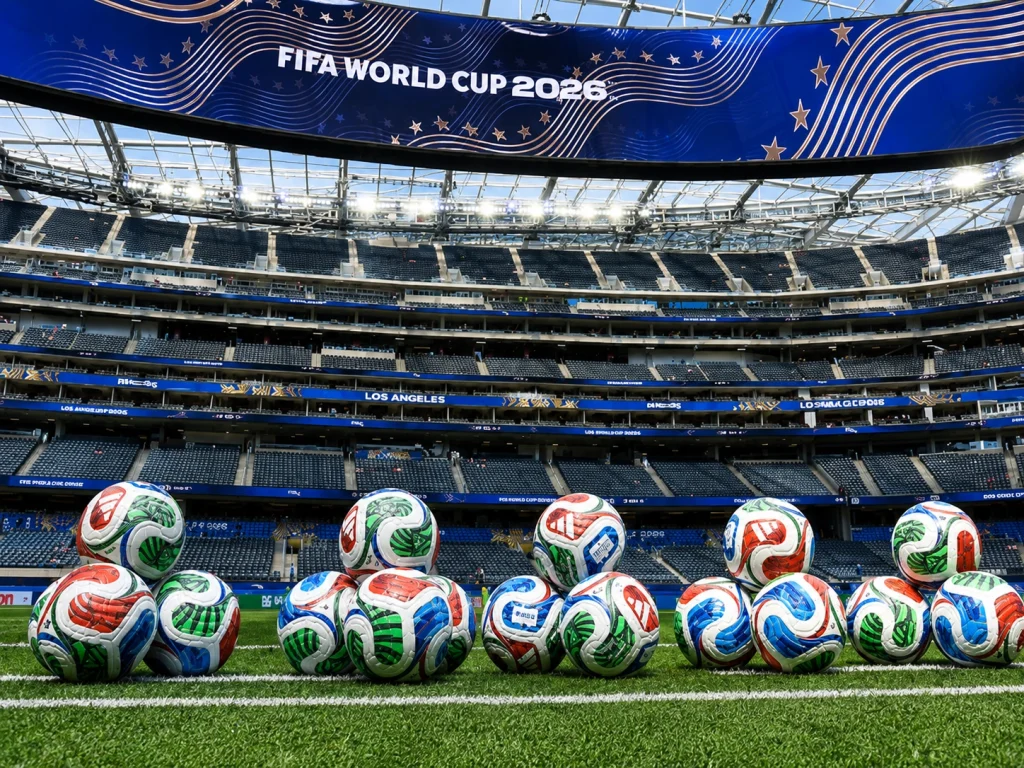
A Los Angeles judge declines to block FIFA’s prohibition on Iran’s pre-1979 “Lion and Sun” flag, dismissing a free speech lawsuit just before Iran’s opening match against New Zealand at SoFi Stadium.
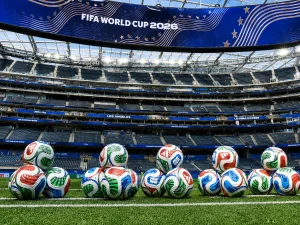
The last effort to challenge the FIFA’s flag rule banning Iran from taking their national flag into the soccer stadiums was unsuccessful as the country was getting ready for its first appearance in the World Cup. On June 15, Judge Curtis A. Kin of Los Angeles County Superior Court denied an application asking the court to stay the FIFA Iranian flag ban just hours before the game of Iran against New Zealand at SoFi Stadium in Inglewood.
Behind the controversy of the flag
The symbol which is prohibited originates from the period when the monarchic rule was in place, way before Iran’s current government came into being. Its colours resemble those of the present Iranian flag but instead of the present emblem, it carries a lion with a sword under the rising sun, which was the official symbol of Iran prior to the revolution which ended the monarchic rule in 1979. The banned logo was included in the restricted symbols list by FIFA as a political symbol.
Challenge to the ban, and the reasons behind it
In what is now a famous case that was filed before the Los Angeles Court on the day prior to the beginning of the tournament’s games, a non-profit organization named Institute for Voices of Liberty together with a personal plaintiff, appealed against the ban on the ground that the State Constitution of California in some instances guarantees wider speech freedoms than the U.S. First Amendment, including within privately-owned facilities which serve as fora for discussion. Thus, the key question in the dispute was whether FIFA could trump those rights with its private rules at the World Cup venue.
ALSO READ: Messi, Ronaldo and Football Giants Eye History at FIFA World Cup 2026
Reasons why the court ruled in favor of FIFA
The court’s verdict preserved FIFA’s rules unaltered, thus making it illegal for the attendees attending the World Cup matches in Los Angeles to have the insignia on them beyond the security check points. In essence, the court treated FIFA’s stadium regulations as a private law applicable only to their event and not as public law that would be applied in the public forum that was being advocated for by the plaintiff groups. The activists had no more time left after the verdict to make an appeal.
A common source of contention at international tournaments
This is certainly not the first time the historical Iranian flag has stirred conflict at an important football match. At the 2022 FIFA World Cup in Qatar, fans displaying the flag among other images protesting against their government were detained by security personnel at several venues – even managing to garner more media attention than the image deserved through these actions alone, effectively broadcasting its meaning beyond the intended control of the organizers. This current conflict echoes that precedent, with increased attention to the contentious flag following enforcement actions.
What this portends for the future
With the injunction request denied, those attending Iran’s further matches will not be able to carry the symbolic flag into the stadiums. While the decision may not resolve the overall issue that the plaintiffs had brought before the court — specifically, whether freedom of speech as per California law extends into privately-run sports venues — it effectively closes the door to any relief being granted in this particular case. Outside of the stadium, the decision does not place any restrictions on the display of the flag.

Nayab Fatima is a university graduate and an emerging media professional with a strong passion for journalism, research, and independent reporting. She specializes in developing well-researched, fact-based, and analytical news stories covering a wide range of sectors, with particular expertise in technology, telecommunications, aviation, and the automobile industry.