
Gilgit-Baltistan Development Budget Rises 27% to Rs39 Billion
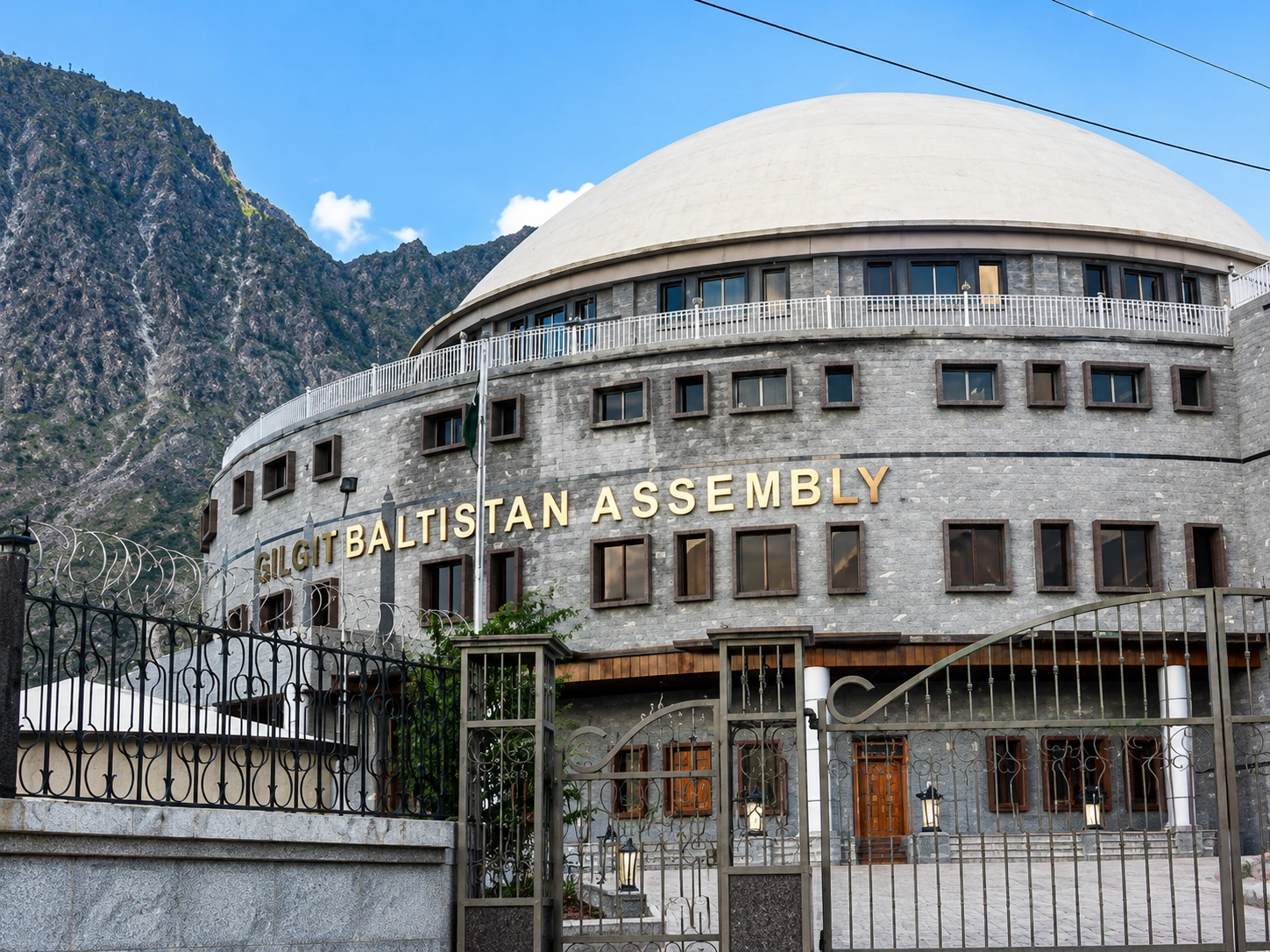
According to the federal government’s proposed budget plan for 2026-27, there is an increase of 27.32 percent in development spending of Gilgit-Baltistan with its total cost exceeding Rs39 billion. This includes spending on hydroelectric power stations, solar power stations, grid connection, Prime Minister’s Special Package, and social infrastructure.
GILGIT: Federal authorities have floated a plan to give the development budget of Gilgit Baltistan a massive boost of 27.32 percent, resulting in an overall increase in budget allocation that will exceed Rs39 billion for FY2026-27. However, according to the statements issued by the budget, the draft development budget for Gilgit Baltistan in 2026-27 comes prior to the federal budget on June 10. As a result, it indicates that the revised development budget has seen an increase of 5.26 percent from the development budget for the present fiscal year, which was Rs30.67 billion.
Energy Projects Driving GB’s Development Efforts
The allocation made under Gilgit Baltistan Development Budget for the year 2026-27 is Rs2.2 billion for Naltar Hydropower Project having an installed capacity of 16 MW. The Naltar project, being a run-of-the river hydropower project located in Naltar valley, will contribute significantly towards domestic production of energy by a region which is dependent on an unstable electricity source. For people living in Gilgit Baltistan, a reliable and cheaper energy source will be hydropower rather than diesel-based off-grid power plants or prolonged load shedding.
Where the Rs39 Billion Goes
Project by project breakdown
| Project / allocation | Amount (Rs bn) | Share |
|---|---|---|
| Block allocation / Annual Development Programme (ADP) | 23.00 | 58.9% |
| Prime Minister's Special Package | 4.00 | 10.3% |
| Naltar 16 MW Hydropower Project | 2.20 | 5.6% |
| Solar plants at multiple sites | 1.71 | 4.4% |
| Regional grid establishment | 1.71 | 4.4% |
| Regional grid connectivity project | 1.00 | 2.6% |
| Roads, drainage, water supply, hospitals (balance) | ~5.38 | 13.8% |
| Total proposed | Rs39bn+ | 100% |
In addition to hydropower, Rs.1.71 billion is allocated for the setting up of solar plants in several locations, while Rs2.71 billion is allocated for two distinct projects related to regional grids – one for its establishment and the other for connecting it. Overall, the three allocations of power in the budget for the development of GB in the financial year 2026-27 constitute an effort aimed at achieving energy self-sufficiency on part of the territory, which due to its geographical location finds it both economically and technologically difficult to connect to the national power grid.
Prime Minister’s Special Package Rs4 billion federal assistance
This way, the Special Package makes it possible for the federal government to channel its resources into particular high-impact projects which may not fall under normal programmes.
ALSO READ: Solar Panel Prices in Pakistan Jump Up to Rs9,000 Per Panel Before Budget
Social Infrastructure Drains, Roads, Water Projects and Hospitals
Other than the energy projects, the Gilgit Baltistan Development Budget proposal for 2026-27 includes funds for drains, roads, water projects, and hospitals too. "This clause is intended to correct the deficiency of adequate infrastructure that has been limiting improvement in the standards of living in GB's distant locations. There cannot be any denying of the significance of an excellent transportation system in a location whose geography makes access to education and markets necessary."
The recommended increase of 27.32 percent in the budget for GB's development comes before a federal budget prepared on the basis of a development agenda with the PSDP budgeting of the country exceeding Rs1,126 billion and overall development expenditure surpassing Rs4 trillion. This increase in the case of GB suggests that its importance from both strategic and development perspectives has received due consideration in FY2026-27.

Leave a Reply
Your email address will not be published. Required fields are marked *