
NADRA Blocks ID Card of Citizen Named Quaid-e-Azam, Calls It "Suspicious"
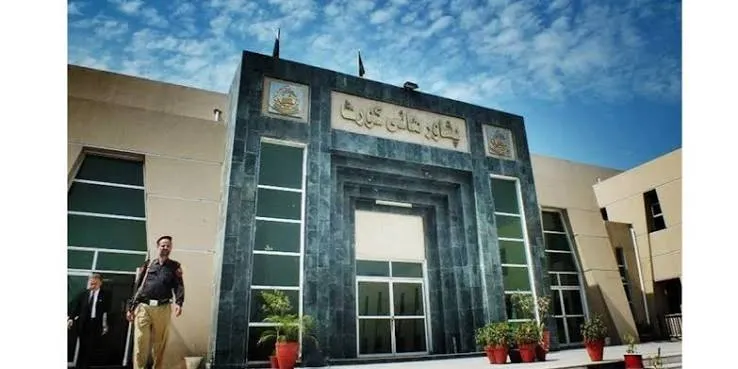
PESHAWAR: The Peshawar High Court has ordered the person by the name of Quaid-e-Azam to attend the NADRA bench in connection with his national identity card having been blocked. The reason why this matter has become a subject of interest is the unusual name of the petitioner that has some historical value. This order was issued following hearing from the petitioners’ lawyer and the lawyer representing NADRA.
Justice Waqar Ahmed and Justice Inamullah Khan, of the Peshawar High Court, considered the petition filed by the citizen Quaid-e-Azam whose identity card had been blocked. The petition was lodged after the petitioner realized that he could not make use of his identity card for his regular business because he feared that the block would create problems for him in Pakistan.
In his capacity as Director Legal for the National Database and Registration Authority, the lawyer representing the National Database and Registration Authority informed the court that the identity card of the applicant had been blocked since it was seen as suspicious. He did not make any details known about why exactly it was considered suspicious, but this was a clear indication that it was a question of verifying the identity card.
Upon hearing arguments made by both parties, the Peshawar High Court ordered the petitioner, the citizen known as Quaid-e-Azam, to personally attend the NADRA board. This way, the NADRA board will have the opportunity to evaluate the petitioner’s case and decide on whether his blocked identification card will remain blocked or not.
ALSO READ: NADRA’s PakID App Gains Strong Public Response Across Pakistan
Why This Case Citizen Named Quaid-e-Azam Stands Out
Identity card suspension cases in Pakistan are fairly common, with NADRA sometimes marking entries for verification owing to discrepancy in documents or suspicious conduct. In this case, what makes the case stand out is the name of the petitioner, which resembles the name of Muhammad Ali Jinnah, who was popularly known as Quaid-e-Azam, the founder of Pakistan.
After receiving the order from the Peshawar High Court, the individual referred to as Quaid-e-Azam is expected to report to the board at NADRA, which will settle the case. The result will either see his ID returned or not, and the process might shed more light on how such cases are treated by NADRA.





Leave a Reply
Your email address will not be published. Required fields are marked *