

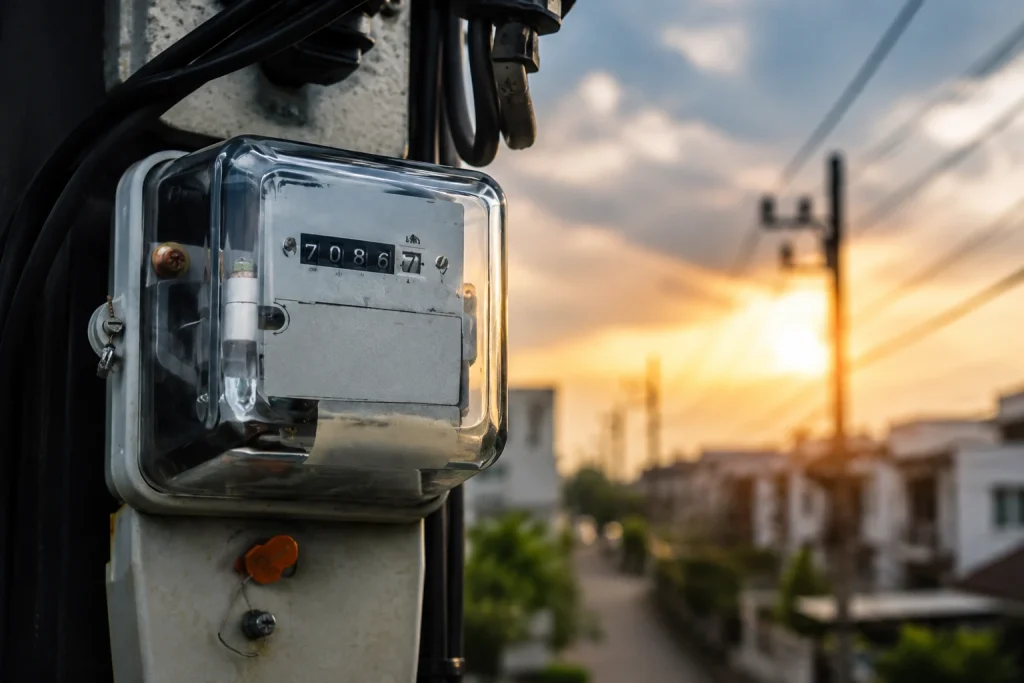
ISLAMABAD: The Central Power Purchasing Agency sent a petition to the National Electric Power Regulatory Authority asking for an 82 paisa per unit hike in electricity tariffs in the country and the matter is heading towards a situation where a decision from NEPRA could lead to an addition of Rs. 12 billion in consumer’s electricity bills right away.
NEPRA acknowledged receipt of the petition and scheduled June 30 as the hearing date for the same, providing consumers, industries, and discoms with a limited time to present their stance before NEPRA announces its decision on the hike suggested for the month of May fuel prices.
Rs12 Billion Burden Looms
Sources at NEPRA told Focus Pakistan the petition rests on one number: CPPA recorded an average fuel cost of Rs9.25 per unit during May. That figure exceeds the reference fuel cost already sitting inside current consumer tariffs, and CPPA now demands full recovery of the difference. The fuel price adjustment mechanism works in both directions when actual generation costs run above the reference rate, CPPA files for the shortfall; when costs fall below it, consumers collect a rebate. May’s fuel numbers moved firmly in the wrong direction for Pakistan’s electricity consumers.
Sources confirmed to Focus Pakistan that if NEPRA grants its approval, in entirety, for the petition that is being filed by the power generation companies, then the Rs12 billion extra cost will be placed upon those consumers who have faced tariff hikes over the last two years. These tariff hikes were introduced in accordance with directives given to the government by the International Monetary Fund; the reduction in cross-subsidies as well as passing fuel and capacity costs to consumers was part of the plan devised by the government.
How Fuel Adjustment Works
Sources explain that the fuel price adjustment mechanism runs separately from the base tariff structure. NEPRA determines the base tariff through periodic formal proceedings. The adjustment layer then moves every month, chasing the gap between actual fuel expenditure and the reference rate built into the base. CPPA sits at the centre of this system it buys electricity in bulk from generators across the national grid, sells it to distribution companies, and files monthly petitions to recover whatever it spent above the reference cost. The mechanism keeps CPPA financially whole but drops every rupee of that volatility directly onto the consumer with a one-month delay.
According to Power sector sources, May’s Rs9.25 per unit average reflects the blended fuel cost across Pakistan’s entire generation mix hydel, thermal, nuclear, and renewables calculated against actual dispatch volumes for the month. Thermal generation drives this number. Furnace oil, natural gas, and imported liquefied natural gas all burn more expensively than the reference rate assumes, and the system leans hardest on thermal plants exactly when it needs them least during May’s temperature surge, when air conditioning loads climb and grid operators scramble for every available megawatt. That combination locks in a higher fuel cost almost every summer and makes May fuel adjustment petitions a near-annual ritual.
June 30 Hearing Crucial
NEPRA takes up the petition on June 30. The regulator can approve the full 82 paisas, reduce the amount, or reject the petition entirely. NEPRA has approved the overwhelming majority of fuel adjustment petitions historically, trimming figures only marginally before passing the cost through. June 30 looks less like a genuine regulatory contest and more like the final administrative step before consumers receive their revised bills.
Pakistan’s power sector keeps generating tariff increases without resolving the structural failures that make those increases inevitable excess capacity payments to idle power plants, chronic transmission and distribution losses, and a circular debt pile that grows faster than any adjustment mechanism can address.