
Pakistan Budget 2026-27 Inflation Forecast 8.6% IMF Disagrees on Growth and Demands Rs2.9 Trillion Surplus
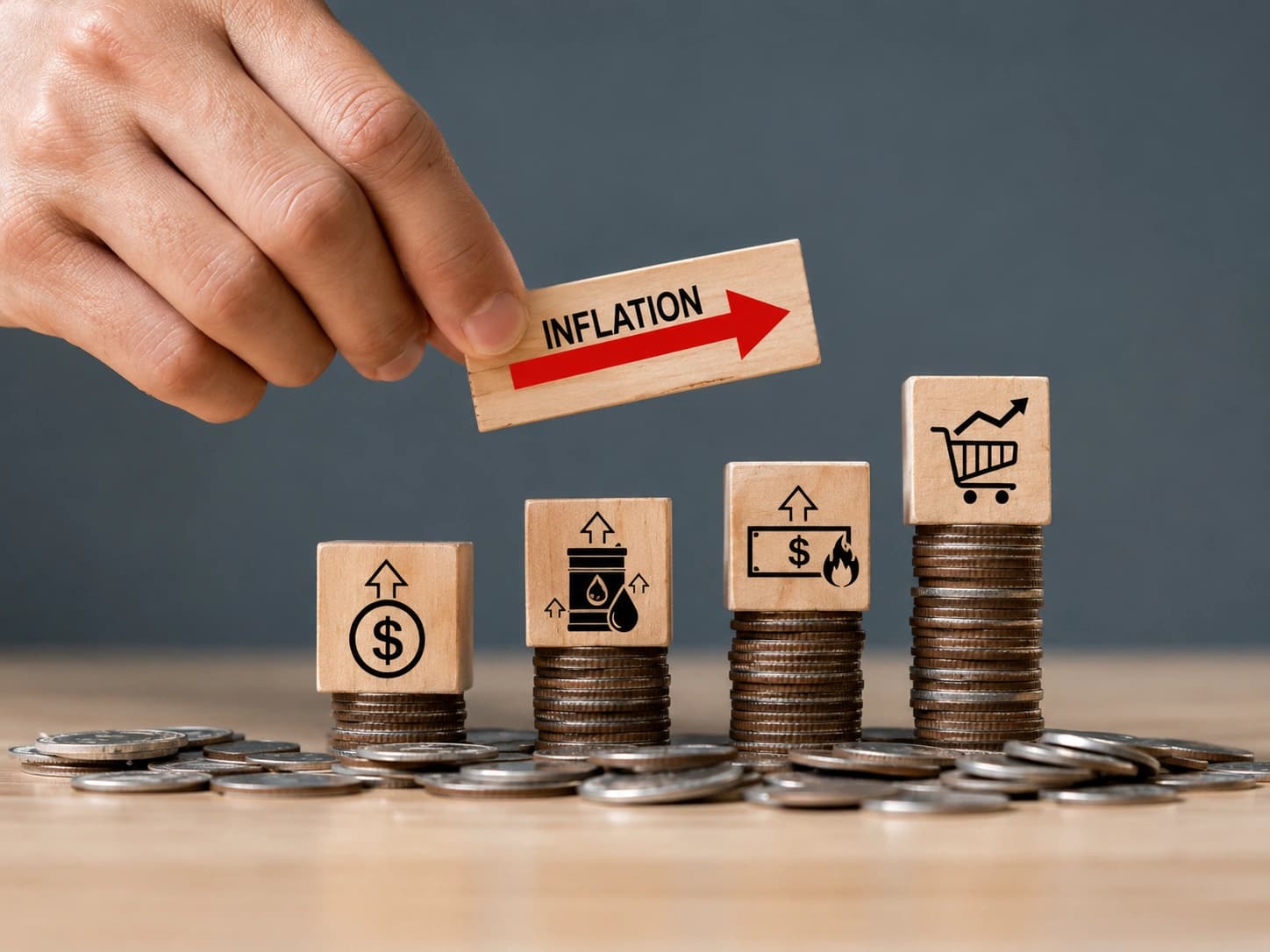
ISLAMABAD: The inflation forecast for Pakistan’s 2026-27 budget was 8.6%, according to the latest figures released by the country’s Federal Ministry of Finance when announcing their economic forecasts for the coming fiscal year. These figures indicate an agreement between Pakistan and the visiting International Monetary Fund mission concerning the budget plan as a whole, although there is a significant difference in growth expectations.
The expected real GDP growth is estimated to be 4.1%, while the expected rate of inflation according to the Consumer Price Index for the upcoming fiscal year is estimated to be 8.6%. The two parameters make up the twin anchors of economic planning assumptions of the government during a fiscal year which starts in the presence of IMF programme conditionalities.
Convergence and Divergence in Pakistan and IMF Views
Overall Macro-Framework Agreement
The forecasts for the inflation and growth rates for the Pakistan budget 2026-27 came out of a consultation process between the Pakistani authorities and the visiting IMF mission team that yielded an agreement in the overall macroeconomic framework. The convergence refers to the basic structure of the budget including the expected revenue levels, expenditure limits, and fiscal consolidation strategy.
The deal offers the essential stability necessary for budget preparation. Finance experts from Pakistan and technical teams from the IMF will be able to formulate specific budget plans based on agreed assumptions, rather than discussing basic assumptions in the last few weeks of budget preparation.
IMF Projects Growth Below Pakistan's Expectations
While the inflation forecast agreement is made between Pakistan's budget and the IMF, a rather controversial difference lies in the growth projection. Sources close to the government revealed that the Pakistani government put forth an expectation of achieving a real GDP growth rate of 4.1% in fiscal year 2026-27 to the IMF team. However, the IMF believes that Pakistan will only grow at 3.5%, or 0.6 percentage points lower than Pakistan hopes to achieve.
This gap is important from the perspective of practical budget planning. A higher growth rate implies higher revenues, higher investment spending, and an easier adjustment process than when a lower growth rate is used. It is not difficult to understand why the Pakistani government would prefer 4.1% to 3.5%, which the IMF prefers.
ALSO READ: SBP Projects Pakistan Economy to Grow Up to 4.75% in FY26 Despite War Risks
The Condition on Budget by the IMF
Rs2.9 Trillion Primary Surplus Needed
Pakistani budget 2026-27 inflation prediction and growth expectations have to consider the condition set by the IMF as non-negotiable for the upcoming budget – the need to generate a primary surplus equal to 2% of GDP, which equals Rs2.9 trillion. The primary surplus is the difference between revenues and expenditures not including the interest expenses on debts – the budgetary indicator that IMF programs employ to determine if the government earns sufficient revenues to pay for its operations.
Aurangzeb Asks Provinces to Act
Virtual Meeting With All Four Provincial Finance Ministers
The provincial fiscal performance plays an important role in determining the primary surplus performance of Pakistan as a whole in the context of the IMF program. The National Finance Commission award is based on the distribution of federal tax receipts among the provinces, and the fiscal performance of the provinces themselves impacts their consolidated fiscal performance.
Implications of These Figures for Pakistani Families
8.6% Inflation Is Still Significant in Light of Previous Peaks
Inflation in the Pakistan budget 2026-27 forecast of 8.6% marks an important step up from the high inflation rates seen in Pakistan's 2023 crisis period which topped at over 38%. Nevertheless, 8.6% average CPI inflation will continue to cause noticeable rises in the cost of living for Pakistani families coping with food, fuel, transport, and housing costs on stagnant wages.
The 8.6 percent inflation projection for Pakistan Budget 2026-27 serves as the basis for planning – but the real test will be in how the actual monthly consumer price index figures compare to the government’s projections or the more conservative growth estimates of the IMF over FY2026-27.


Leave a Reply
Your email address will not be published. Required fields are marked *