
Pakistan Makes History, Raises Record $3 Billion in Biggest-Ever Eurobond Sale
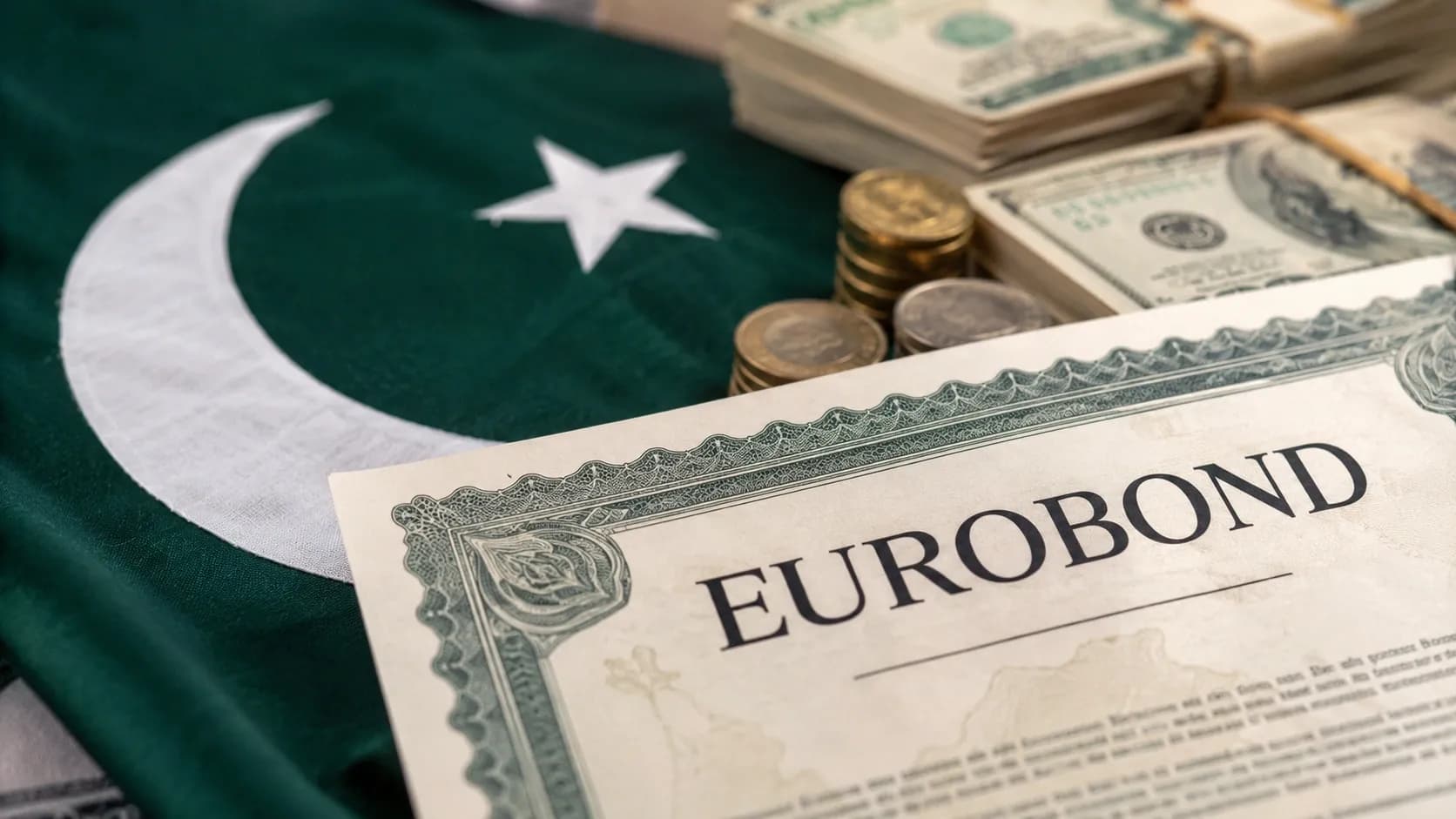
ISLAMABAD: Pakistan pulled off its biggest ever single international bond sale this week, raising $3 billion through a two-tranche Eurobond and drawing nearly double that amount in investor orders, the Ministry of Finance confirmed.
Global fund managers placed almost $6 billion in bids for paper Islamabad offered at just $3 billion, a two-to-one demand ratio that finance officials are calling a vote of confidence in the country's economic trajectory.
Pakistan Eurobond Draws Huge Demand
The government split the sale into two pieces. It sold $1.75 billion in bonds maturing in five and a half years at a 7.50 percent coupon, and priced a $1.25 billion, ten-year tranche at 7.90 percent. Investors snapping up the longer bond caught officials' attention: holding Pakistani debt for a full decade signals a level of long-term trust the country hasn't seen from bondholders in years.
Also Read: Pakistan Escapes Moody’s ‘Very High Risk’ Zone as Rating Jumps to B3
Citi, Deutsche Bank, Emirates NBD, MUFG and Standard Chartered ran the books on the transaction, while Pakistan's Debt Management Office steered the deal from the government side. Legal advisers and other transaction partners rounded out the execution team.
This sale marks the first test of Pakistan's revived Global Medium Term Note programme a financing platform Islamabad relaunched after its debut Panda Bond sale in the Chinese market and a string of credit rating upgrades from international agencies. Officials frame the programme as insurance against relying too heavily on any single lender or market, whether that's Gulf deposits, multilateral loans, or Chinese financing.
Pakistan Targets Lower Debt Risks
Beyond the headline number, the Finance Ministry insists the deal serves a bigger strategic goal: reshaping how Pakistan manages its liabilities. That means spreading financing across more sources, pushing out maturities so less debt comes due at once, and swapping expensive short-term borrowing for cheaper, longer-dated instruments where the economics work out. Rollover risk the danger of needing to refinance large chunks of debt in a tight window sits at the center of that strategy.
Credit rating upgrades over the past year opened the door back into international capital markets after a stretch when Pakistan's access had narrowed considerably. Officials point to both the ratings trajectory and this week's demand figures as hard evidence that investor sentiment has shifted, not just official rhetoric.
All of this does not solve the underlying fiscal problems that exist in the country. Exports do not have good competitiveness, there is a lack of reforms, and there is no improvement in productivity that would give comfort to investors in the mid to long term. A successful issuance of the bonds will provide some breathing space but won’t solve the balance of payments problem.
The markets will now be observing how Pakistan makes use of the new found liquidity either to pay down expensive debts, as was the promise made or use the funds for solving other issues in the interim.



Leave a Reply
Your email address will not be published. Required fields are marked *