


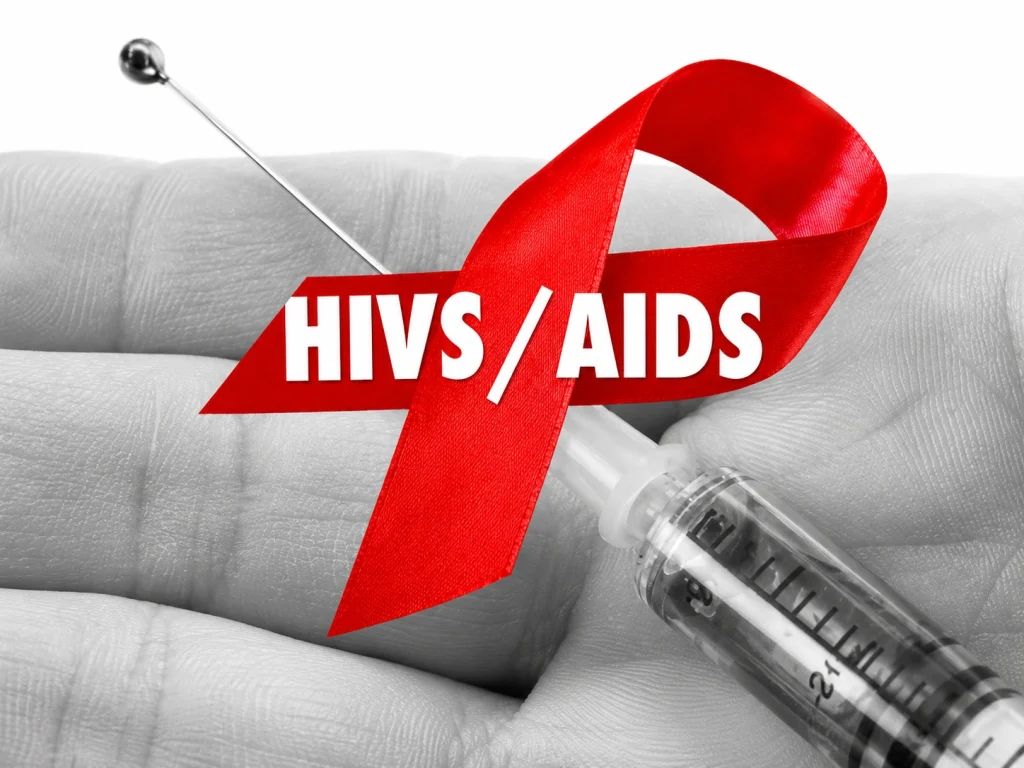
According to a statement by Federal Health Minister Mustafa Kamal, there has been an increase in cases of HIV/AIDS in Islamabad and Taunsa. “Re-use syringes have been found to be the main cause.” “Five varieties of syringes have been banned.” A “special committee has been constituted at the PM level.”
ISLAMABAD: The Federal Minister for Health, Mustafa Kamal, informed the National Assembly yesterday that there was a marked increase in HIV/AIDS infections in Pakistan, citing Islamabad and Taunsa, Punjab, as particularly affected regions. In terms of Pakistan HIV AIDS cases rise and syringe ban of 2026, the government has never openly recognized this issue before now; indeed, it was only about a month ago that the Ministry of National Health Services issued a press release denying the allegations made about a dramatic rise in infections.
Where the New Cases Have Been Reported
The new cases of HIV AIDS reported in Pakistan, as pointed out by the Minister Kamal in 2026, occur in two places that are very distinct from each other geographically. The first one is Islamabad; being a hot spot for HIV AIDS cases in itself is important as this location is distinct from the rural areas which have always been associated with the highest concentrations of HIV cases in Pakistan. In addition to this, the other location is the southern part of Punjab called Taunsa; it shows an even greater similarity to the previous HIV cases.
Used syringes were pinpointed by Minister Kamal as being the root cause for the surge in the number of HIV/AIDS cases in Pakistan in 2026. Blood-contaminated needles are the main mode of HIV transmission in Pakistan, a fact which first came to light in connection with the 2019 outbreak of Rato Dero, where the infection rate for children rose sharply when a lone healthcare provider was connected with hundreds of HIV cases. How does it happen? Simply put, once a needle is used on a patient infected with HIV, then it contains infected blood. When this same needle is used again on another patient without sterilization or a new needle, the virus goes straight into his bloodstream.
ALSO READ: Pakistan’s Smoking Crisis Deepens as False Health Claims Mislead Millions
What is covered by the syringe ban
The syringe ban is part of the Pakistan HIV/AIDS cases rising response strategy. It entails the banning of five particular types of syringes, in an effort to eliminate from circulation needle syringe models linked with high reuse rates. No list has been made public as to what types of syringes have been banned; however, usually such bans cover inexpensive syringes that do not come with safety features, including an auto-disable mechanism. Auto-disable syringes are those that lock up or break when used only once, thus becoming unusable again after one use. They are recommended by the WHO as the best method of protecting against injections-related diseases.
The Pattern Pakistan Has Witnessed Before
The Pakistan HIV AIDS infection outbreak in 2026, following the observed trend, is associated with the lack of safety in the administration of injections, which Pakistan’s health care institutions have failed to solve prior to each new wave. The outbreak of 2019 in the area of Rato Dero in the Larkana district raised an alarm, led to international concern, and generated promises to change the syringe policies in the country.
The ongoing cases in Islamabad and Taunsa show that the reforms implemented after the 2019 outbreak did not reach deep enough into the unregulated healthcare space where many of Pakistan’s injections are given illegally. The decision of the committee at the prime minister level and the cooperation framework proposed by Minister Kamal are the right solutions. The real test, however, will be enforcement.