


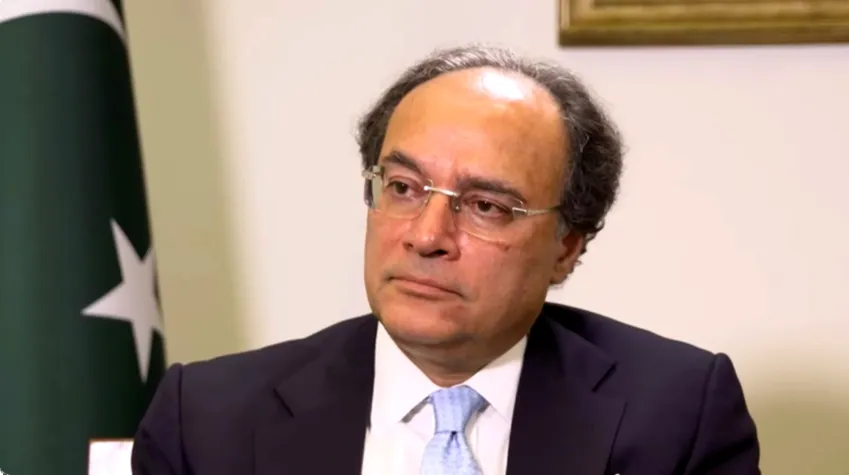
ISLAMABAD: Pakistan REITs reform took a decisive turn on Saturday as Finance Minister Muhammad Aurangzeb stopped treating the sector’s underperformance as acceptable. He walked into a virtual Focus Group meeting and walked out having handed every institution in the room a named task, a specific brief, and a clear deadline.
The meeting reflected a shift in tone. Pakistan has talked about developing its REIT sector for years. Saturday signaled the government wants delivery, not discussion.
The Problems Are Well-Known
Nobody disputed that Pakistan’s REIT market has underperformed. The sector made early headway but never achieved meaningful scale. The reasons are familiar. A taxation structure discourages participation.
Regulatory processes exhaust issuers before they reach investors. The secondary market lacks liquidity that retail investors need.
Also Read: Foreign Investors Leaving Pakistan T-bills — 94% Investment Wiped Out
Participants spent considerable time on the retail angle. Pakistan’s property market commands enormous public interest. Yet ordinary investors never found a clean, regulated, liquid way to access it. REITs were supposed to solve that problem. They have not, at least not yet.
Three pressure points demanded immediate attention. First, refining the tax framework. Second, cutting procedural red tape for REIT issuers. Third, building secondary market infrastructure that gives investors confidence they can exit when needed.
Aurangzeb’s Pitch for Formalisation
The minister made a point that goes beyond capital markets. He argued REITs carry a broader economic purpose. They pull Pakistan’s largely informal real estate and construction sector into documented, regulated territory. That is a significant ask. Informality runs deep in Pakistani property transactions. But Aurangzeb framed it as opportunity, not obstacle.
A functional REIT market improves capital allocation. It generates documented economic activity. It gives regulators visibility into a sector long operating in the shadows. For a government under IMF scrutiny and hungry for tax revenue, that visibility matters enormously.
One theme ran consistently through Saturday’s discussions: restraint. Participants pushed back against layering new regulations onto existing ones. Reforms must stay simple, internationally aligned, and easy to implement. Pakistan’s previous financial market development attempts have sometimes collapsed under their own complexity.
Aurangzeb closed by stressing structured, ongoing consultation between regulators and market participants. Reforms drafted in isolation rarely survive contact with market realities.
The government has made this commitment before. The difference this time lies in specificity. Every institution left Saturday’s meeting with a named task and a deadline. The minister’s impatience with delay was visible. Whether that translates into results remains Pakistan’s real test.

Focus Pakistan is an independent digital news and media platform dedicated to delivering credible, insightful, and impactful journalism across Pakistan and beyond. The publication covers a broad range of sectors including business, economy, technology, telecommunications, aviation, automotive, infrastructure, energy, tourism, public policy, and national affairs.
Committed to accuracy, transparency, and editorial integrity, Focus Pakistan combines breaking news coverage with in-depth analysis, feature stories, expert commentary, and research-based reporting. The platform aims to provide readers with timely, factual, and balanced information while promoting informed public discourse and responsible journalism.
Through its commitment to high editorial standards, Focus Pakistan strives to be a trusted source of news and analysis for policymakers, business leaders, industry professionals, and the general public.