
Pakistan's Outdated Telecom Laws Can't Support 5G, IT Minister Warns
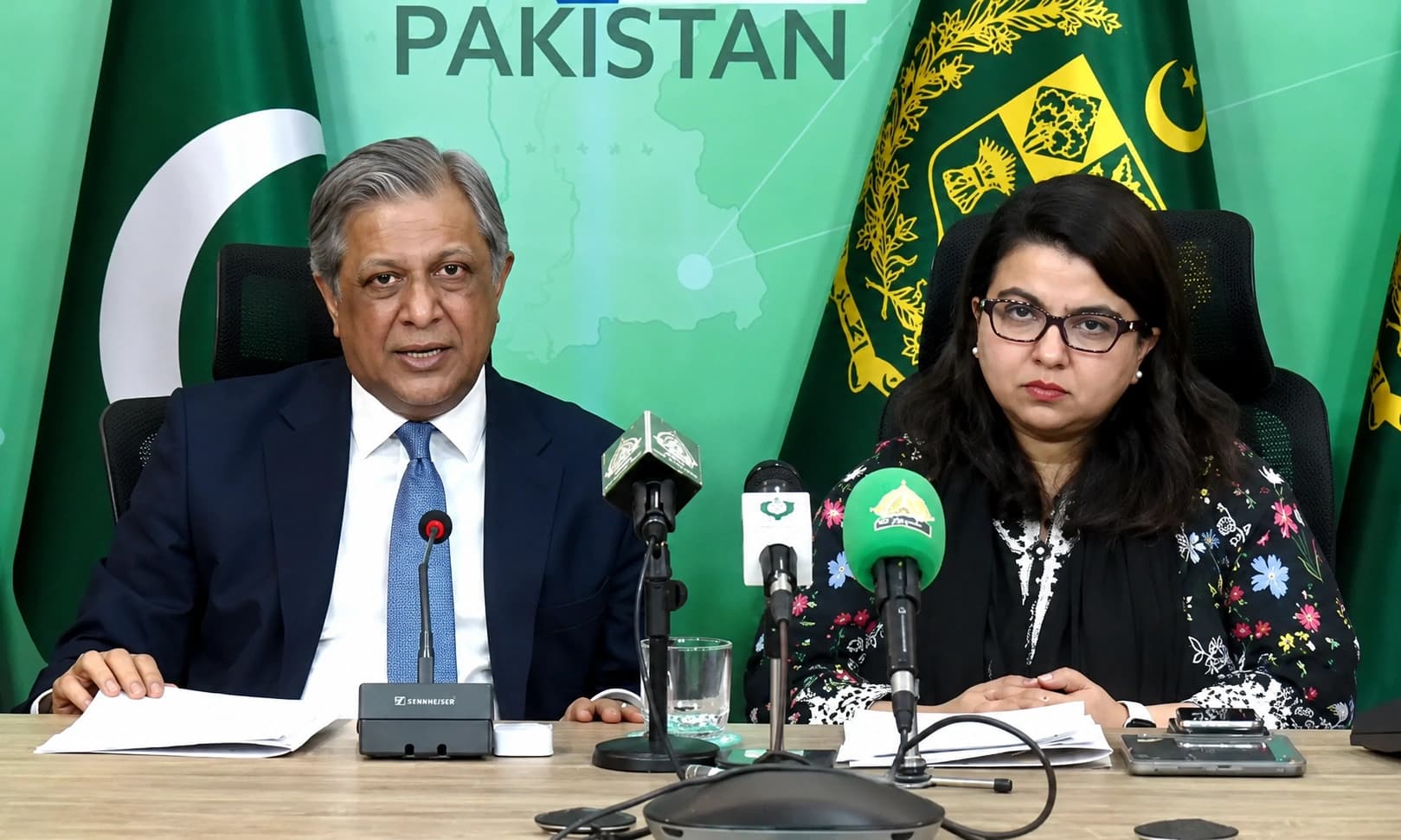
ISLAMABAD:Pakistan telecom law was written for the 2G era and cannot support the demands of 5G technology, Information Technology Minister Shaza Fatima Khawaja said on Sunday as she defended a telecom amendment bill that a parliamentary committee is now reviewing after lawmakers raised concerns over several clauses.
Pakistan Telecom Laws Lag Behind
The Minister of Information Technology along-with the Minister of Law, Justice and Human Rights, Azam Nazeer Tarar gave her message clearly, saying that the Pakistan Telecommunication (Re-organization) Act, 1996 is not applicable for a nation moving towards the next generation of technology. A special committee then flagged multiple clauses as problematic and sent the bill back for rework.
Data use tells the real story here. Consumption has climbed nearly 25 percent in two years, Khawaja said, driven by a growing population and a public that has gone digital faster than the law kept pace. Spectrum tells a similar story up from 274MHz to roughly 750MHz after the country's biggest-ever auction, with operators now building out infrastructure to actually use it.
5G Demands Modern Infrastructure
None of that works without cables in the ground, though. Khawaja was specific: fibre-optic lines, telecom towers, underground conduits, overground poles the unglamorous physical backbone that 5G promises depend on. That is when the figures become awkward to digest. Pakistan's population stands at about 240 million. At the time of taking office by the present government in 2024, fewer than three million households could access the internet through fiber. It is the gap that rather than any legal provision may turn out to be the only hurdle preventing Pakistan from achieving its goals regarding 5G.
Read More: IT Ministry Denies Telecom Bill Allows Private Land Acquisition After Social Media Backlash
Parliament Reviews Telecom Bill
The bill seeks to facilitate investments, ease regulations and make the internet available for many more households. However, according to Khawaja, the amendment is necessary in order to guarantee the right of citizens to basic necessities. On the other hand, critics claim that the new bill fails to find a compromise between the two, which led to a revision of several clauses in the bill after its passage by the National Assembly.
Khawaja paid little attention to the dispute. The government presented the bill as an overdue update to align Pakistan's telecom laws with the demands of today's digital economy. Parliament will now decide whether the revised draft addresses the concerns that delayed its earlier passage.





Leave a Reply
Your email address will not be published. Required fields are marked *